Now Reading: Netanyahu’s defiant UN speech amid protests and isolation
- 01
Netanyahu’s defiant UN speech amid protests and isolation

Article Summary
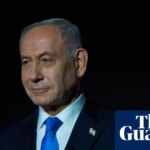
Protests are anticipated both inside the UN assembly and throughout New York City as demonstrators gather to express their opposition to Netanyahu’s policies. Notably, the political climate in the US has changed, with polls showing a large portion of the population, including American Jews, disapproving of Netanyahu’s leadership. The political director of Jewish Voice for Peace Action highlighted a growing consensus against supporting Israel’s actions, framing it as a rejection of what many view as apartheid and genocide against Palestinians.
Danny Danon, Israel’s ambassador to the UN, defended Netanyahu by framing the backlash as largely a result of misinformation rather than policy failures. He emphasized the need for Israel to enhance its international image, noting that they had accomplished a lot despite the criticism. Danon hinted at Netanyahu’s plan to use his speech to underscore Israel’s achievements and outline goals regarding their military campaigns while evoking the need for control over the narrative.
However, Netanyahu’s visit to the UN is set against a backdrop of a significant decline in diplomatic support from the US, highlighting fractures even within pro-Israel sentiments in American politics. Major figures in both political parties have expressed dissent regarding military support for Israel, suggesting a shift that could impact future relations. This growing scrutiny is coupled with humanitarian concerns stemming from the ongoing violence in both Gaza and the West Bank.
The protests against Netanyahu illustrate a broader discontent with his government’s actions and highlight the urgency with which Palestinian representatives are calling for accountability and change. Proponents of Palestinian rights are pushing for a firm stance against perceived injustices, including military action and settlement expansions. As Netanyahu aims to solidify his position amid this unrest, the protests and shifting public opinion underline an increasingly complex international landscape for Israel.




Stay Informed With the Latest & Most Important News
Newsletter Signup
Previous Post
Next Post