Now Reading: Normal Americans punished MAGA
-
01
Normal Americans punished MAGA

Article Summary
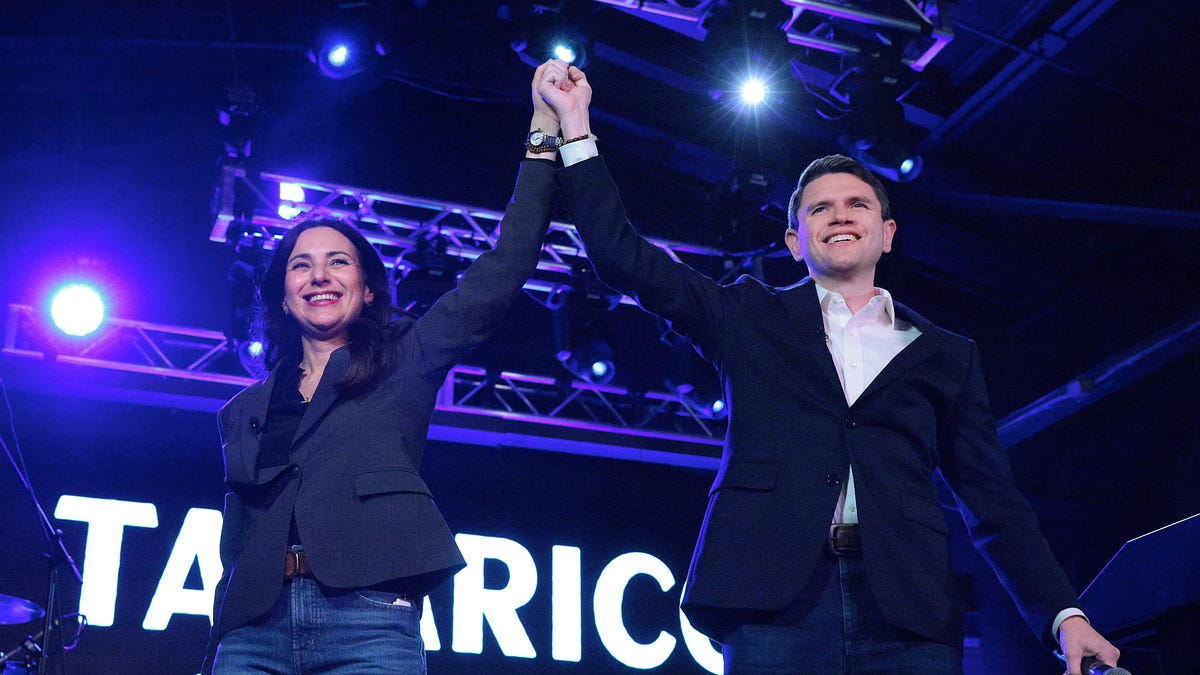
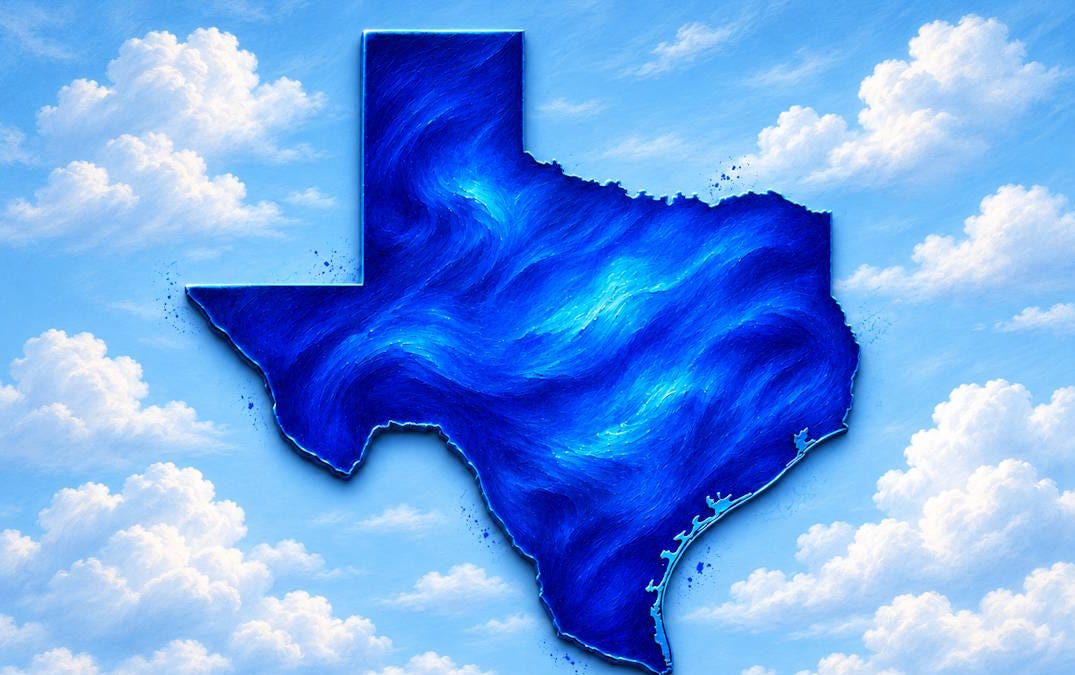
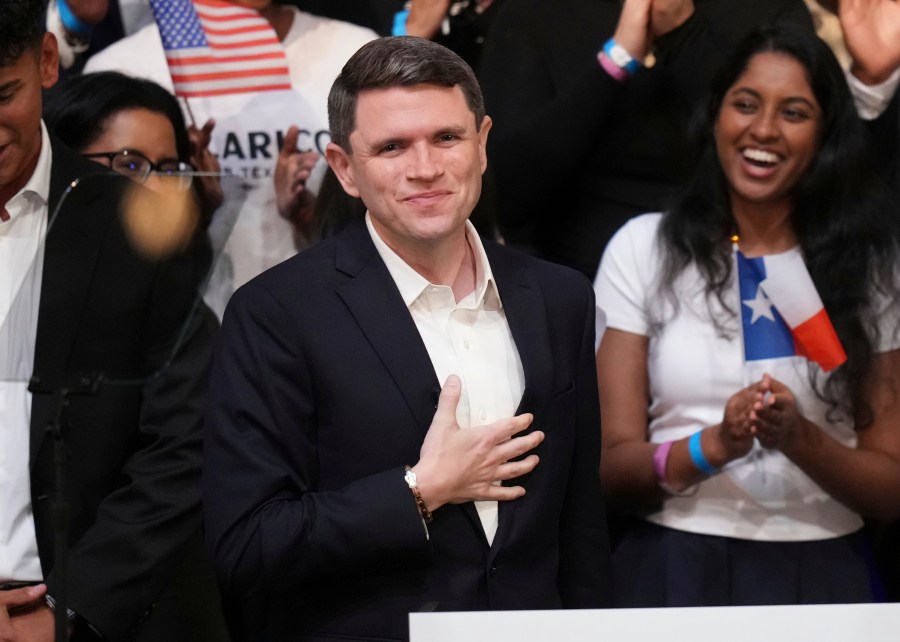
A key factor in the GOP's downfall was the selection of candidates who failed to resonate with voters. The party's choice to replace established figures like Senator John Cornyn with less popular candidates such as Ken Paxton, alongside the surprising loss of popular incumbent Governor Greg Abbott in Texas, exemplified this miscalculation. The election results not only demonstrated a shift in Texas, a historically Republican stronghold, but also highlighted the growing appeal of progressive candidates who connected more effectively with the electorate's concerns.
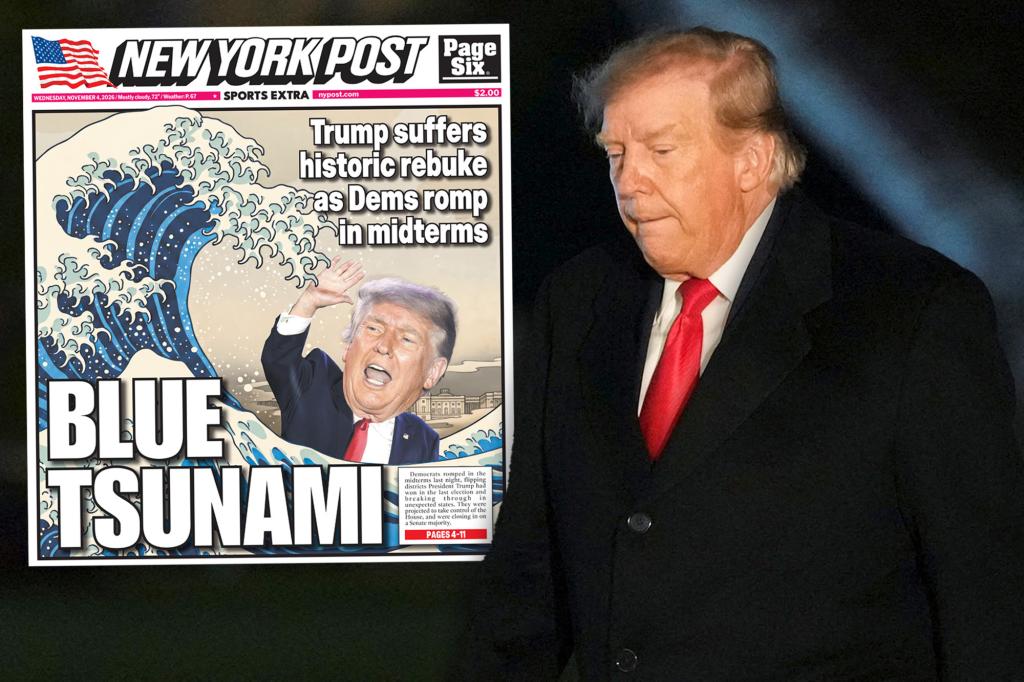
The election served as a referendum on Donald Trump's presidency, revealing widespread discontent among voters regarding his policies and perceived corruption. Issues such as inflation, government mismanagement, and personal enrichment became central concerns for the electorate, overshadowing traditional Republican fears about "wokeness" and immigration. Polling indicated that voters prioritized concerns about government corruption over economic issues, suggesting that Trump's perceived failures had alienated a significant portion of the American public.
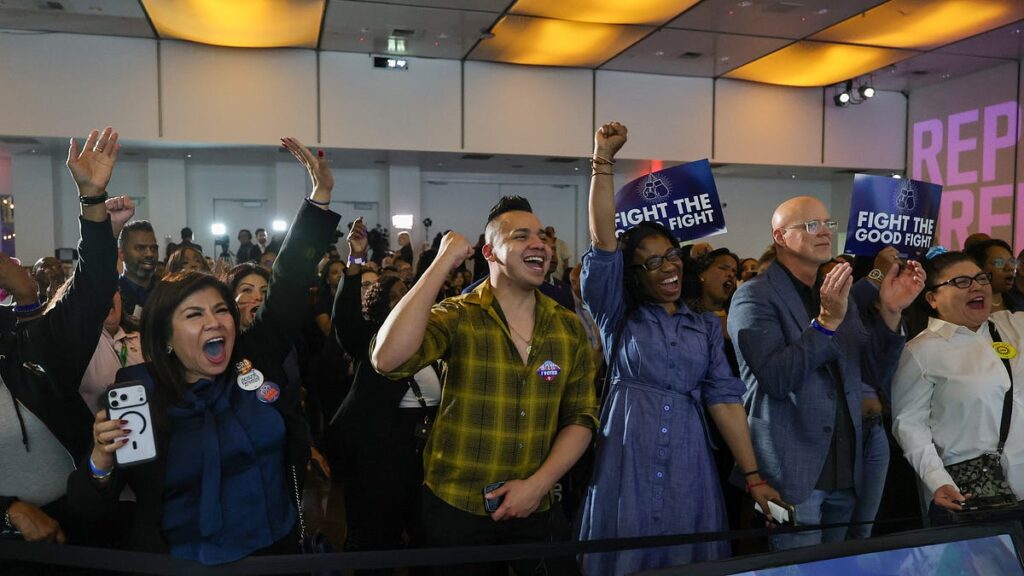
MAGA supporters seemed to underestimate the existence and perspectives of moderate Americans, believing instead in a binary political landscape dominated by extreme ideologies. This misjudgment led to a failure to recognize that many voters do not align with the polarized narratives propagated within right-wing circles. The coalition that emerged to support Democratic candidates was composed of individuals who are largely indifferent to the extreme cultural battles that dominate online discourse, focusing instead on practical issues affecting their daily lives.
Looking ahead, there is a risk that the Democratic Party may fall into a similar trap of echo chamber thinking, potentially misjudging the priorities of the average American. If Democrats do not heed the lessons of the recent elections and continue to focus on divisive issues rather than economic stability and governance, they may find themselves facing a backlash in future elections. The challenge lies in maintaining a connection with the electorate that transcends ideological divides, ensuring that the party remains responsive to the concerns of everyday Americans rather than becoming ensnared in partisan conflicts.




Related Posts
Stay Informed With the Latest & Most Important News
Newsletter Signup
Previous Post
Next Post