Now Reading: 11 charts that tell the story of the 2026 election
-
01
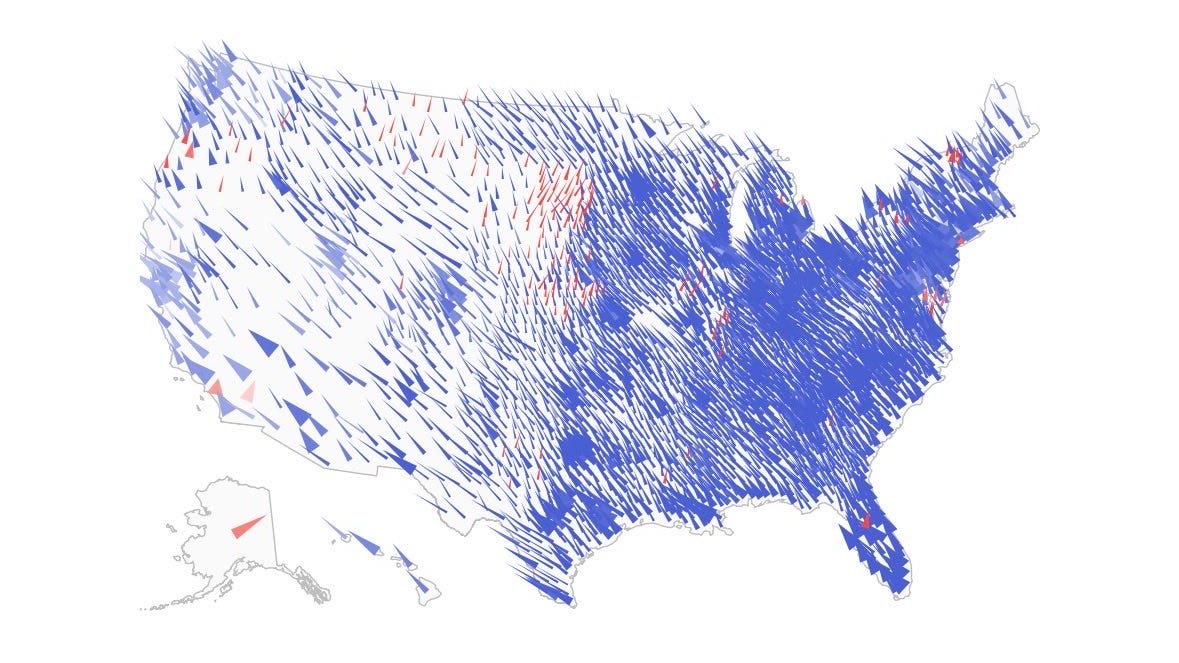
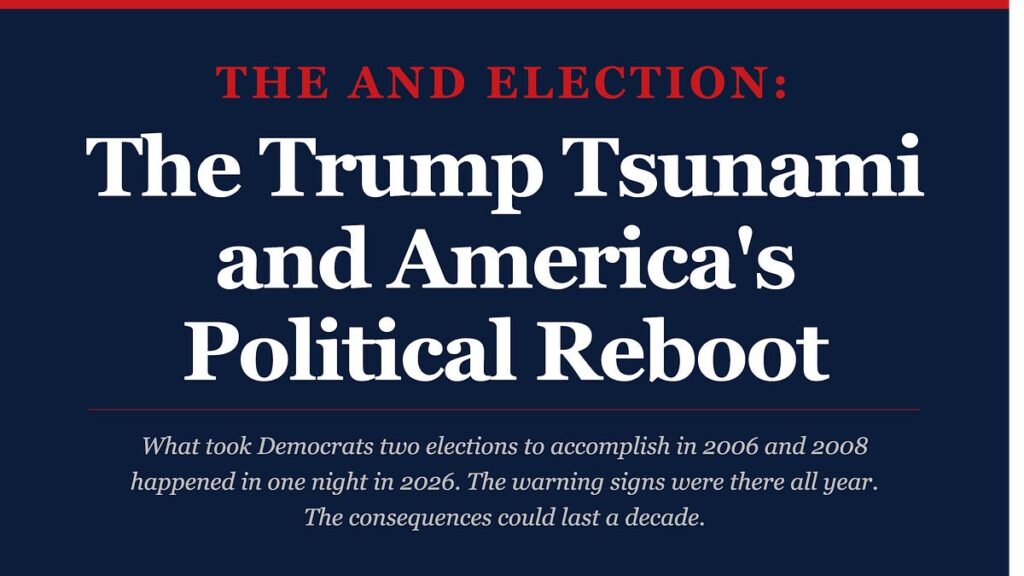
11 charts that tell the story of the 2026 election

Article Summary
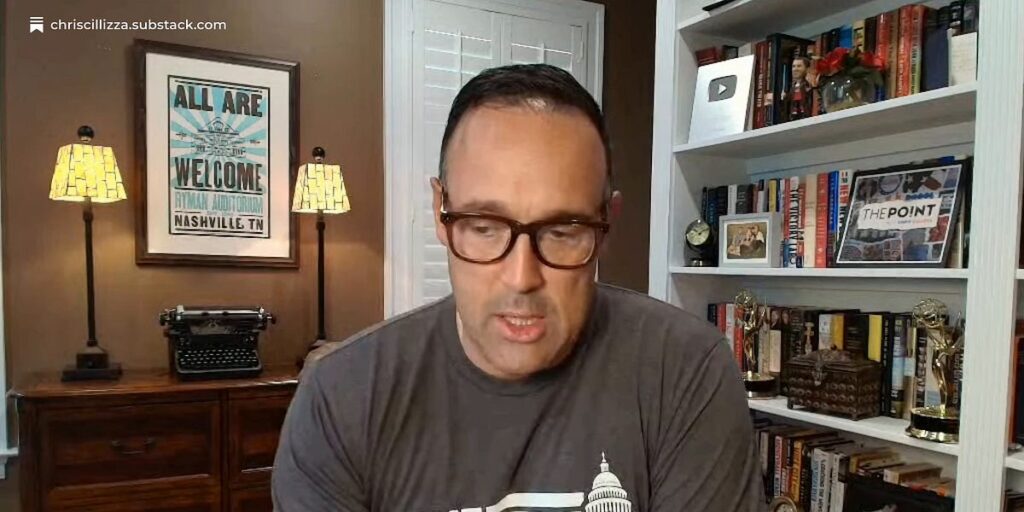
One of the pivotal themes highlighted in the podcast is the economy's impact on voter sentiment. Cillizza references a chart from WaPo pollster Scott Clement, which contrasts public perceptions of Donald Trump's handling of the economy during his presidency with the current administration's performance. He notes that while Trump was perceived positively regarding economic management, the electorate's discontent with the current administration's economic policies significantly contributed to the Republican Party's poor performance in the midterms.
Cillizza's analysis suggests that economic issues were central to voters' decisions, reinforcing the idea that economic management remains a critical factor in American politics. The stark shift in public opinion about the economy indicates a growing frustration with the current administration, which likely influenced the outcomes in key races. This trend underscores the importance of economic messaging for political parties as they prepare for future elections.
As the podcast progresses, Cillizza promises to delve deeper into the implications of these midterm results and what they might mean for the political landscape moving forward. He expresses a commitment to exploring the nuances of voter behavior and the broader electoral dynamics that emerged from the midterms. The episode serves as both a recap of recent events and a starting point for ongoing discussions about the future of American politics.
Listeners are encouraged to stay engaged with the podcast and contribute their insights, reflecting the interactive nature of Cillizza's commentary. By fostering a dialogue around these electoral trends, "Super Tuesdays" aims to provide a comprehensive understanding of the factors that will shape upcoming political contests and the strategies that parties will need to adopt to resonate with voters.




Related Posts
Stay Informed With the Latest & Most Important News
Newsletter Signup
Previous Post
Next Post