Now Reading: Antisemitism in Politics
-
01
Antisemitism in Politics

Article Summary
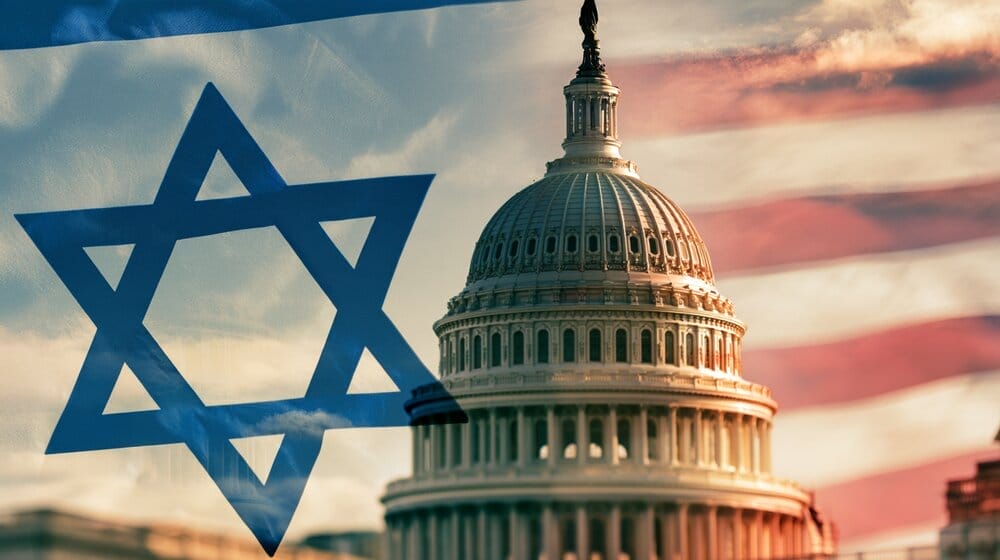
Joel Rubin, a former State Department official and Jewish outreach director for Bernie Sanders, highlights the rapid shift in the Democratic Party's dynamics, emphasizing that the conflict over Israel has moved to the forefront of political priorities for progressive activists. Surveys indicate that the overwhelming majority of Jewish voters have historically supported Democratic candidates, but this trend may be changing. Rubin warns that the ongoing debate could lead to a splintering of the party, as many in the American Jewish community question whether the Democratic Party remains a safe haven for them.
The rise of antisemitism has compounded the political tensions, with FBI data revealing a significant increase in anti-Jewish hate crimes. This climate has been exacerbated by inflammatory rhetoric in political campaigns, such as derogatory remarks made by candidates from both parties. As opposition to Israel gains traction among progressive activists, candidates are increasingly pressured to align their positions accordingly, which could alienate traditional Democratic supporters.
Prominent figures like Pennsylvania Senator John Fetterman have expressed their concerns, stating that an official anti-Israel stance could prompt them to leave the party. Additionally, comments from Democratic Senate candidate Abdul El-Sayed, which suggested a connection between violence in the Middle East and local antisemitic attacks, sparked backlash and highlighted the sensitivity surrounding these issues. El-Sayed later apologized, reflecting the delicate balance candidates must maintain in addressing the Israeli-Palestinian conflict.
Rabbi Stuart Weinblatt underscores the normalization of antisemitic rhetoric within certain circles of the Democratic Party, which he finds alarming. He warns that the societal implications of such trends could be dire, as historically, hostility towards Jewish communities has often signaled broader societal issues. With a growing number of Jewish Americans viewing the Democratic Party unfavorably, the upcoming elections may reveal the extent of the damage inflicted by these internal conflicts and the shifting political landscape.




Related Posts

Stay Informed With the Latest & Most Important News
Newsletter Signup
Previous Post
Next Post