Now Reading: How the Trump administration’s push for better preventive care and sanitation can make healthcare more affordable
-
01
How the Trump administration’s push for better preventive care and sanitation can make healthcare more affordable
How the Trump administration’s push for better preventive care and sanitation can make healthcare more affordable

Article Summary
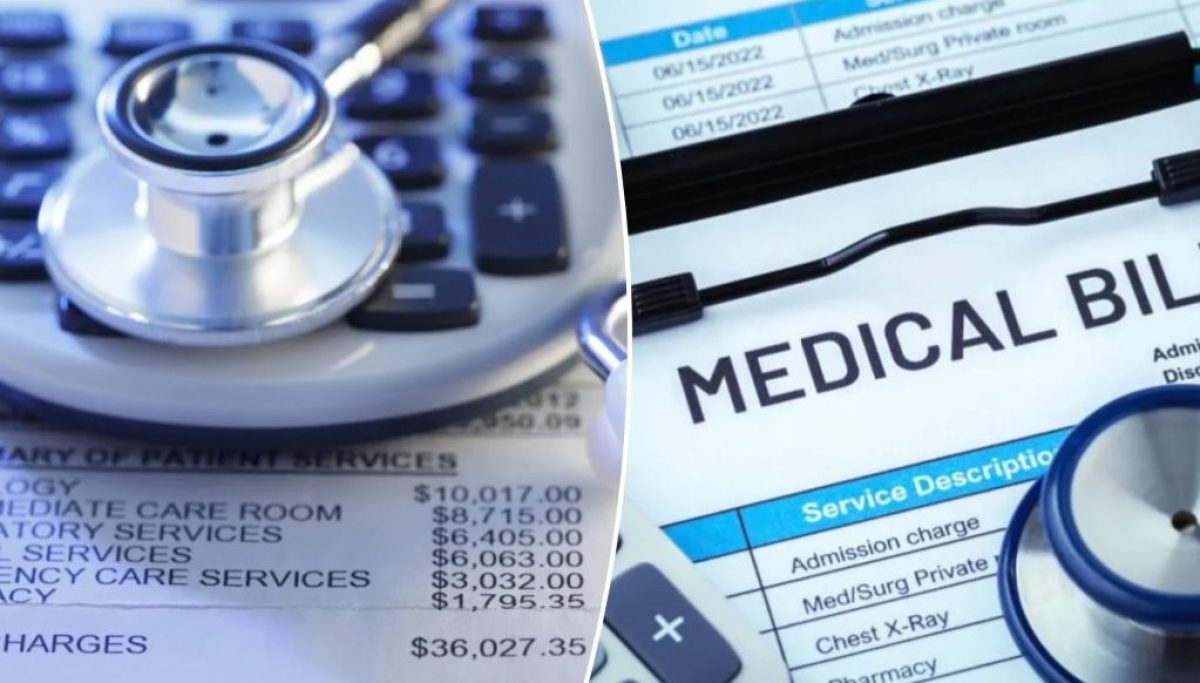
President Donald Trump has emphasized the importance of preventive care throughout his administration, advocating for healthy lifestyles, nutrition, and exercise. The administration has introduced initiatives aimed at promoting preventive care, particularly for women, and is now looking to enhance hospital sanitation standards as part of its broader healthcare strategy. By addressing hygiene in hospitals, the administration aims to reduce healthcare-associated infections (HAIs), which have serious implications for both patient health and healthcare costs.
Healthcare-associated infections are a significant concern, with about 2 million patients affected annually, leading to hospital costs ranging from $28 billion to $45 billion. The Centers for Disease Control and Prevention (CDC) has classified HAIs as a severe public health threat, with over 518,000 infections reported in hospitals in 2023 alone. While there has been a decrease in HAIs over the past decade, with the rate of infections dropping from 1 in 31 patients in 2015 to 1 in 38 in 2023, the Trump administration aims to further reduce these rates through improved hygiene practices.
The administration's strategy includes returning to fundamental hygiene practices, which can significantly lower the incidence of HAIs and, consequently, healthcare costs. The CDC has indicated that proper infection prevention measures could reduce HAIs by up to 70%. Simple actions, such as promoting handwashing and regular sterilization of medical equipment, can yield substantial financial benefits. The Agency for Healthcare Research and Quality has reported that every dollar spent on infection prevention can save $3 to $6 in healthcare costs, underscoring the economic rationale for improving hygiene in hospitals.
Research supports the idea that increased investment in infection prevention correlates with lower rates of HAIs. Studies have shown that even a modest increase in infection prevention budgets can lead to significant savings and improved patient outcomes. For instance, an Australian study found that a relatively small investment in infection prevention yielded considerable direct savings and improved health outcomes. By implementing the proposed changes to enhance hospital hygiene, the Trump administration aims to ensure that patients leave hospitals healthier, which will not only improve individual health outcomes but also contribute to making healthcare more affordable for all.




Related Posts


Stay Informed With the Latest & Most Important News
Newsletter Signup
Previous Post
Next Post