Now Reading: Neocons, Neocons, Neocons!
-
01
Neocons, Neocons, Neocons!

Article Summary
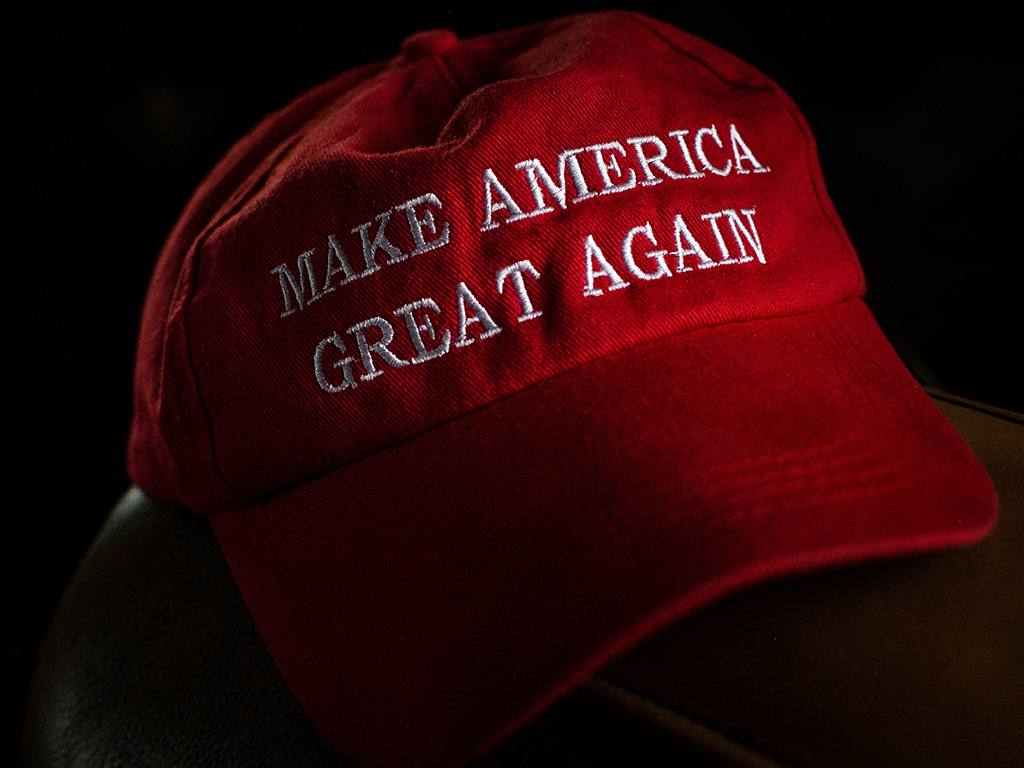
The neoconservative agenda gained traction after the 9/11 attacks, leading to military interventions in Afghanistan and Iraq. Initially, there was broad public support for these actions, but the protracted conflicts and mixed outcomes, particularly in Iraq and the failure in Afghanistan, contributed to the decline of formal neoconservatism. In contrast, Donald Trump’s MAGA movement emerged with a promise to avoid “forever wars,” advocating for a more restrained foreign policy while still supporting targeted strikes against threats like ISIS and Iranian leadership.
Hanson points out that Trump’s approach aligns more closely with a "Jacksonian" philosophy, favoring limited military interventions over extensive nation-building efforts. Critics who label Trump as a neocon often misinterpret his administration’s stance on Iran, suggesting that it was unduly influenced by a supposed Jewish lobby. However, those advocating for action against Iran did so under the premise of avoiding ground troops and extensive costs, contrasting sharply with traditional neoconservative strategies.
The current ideological split within the MAGA movement is primarily between Jacksonians, who support a more aggressive stance against threats like Iran, and isolationists, who argue against any military engagement in the region. Both factions largely agree on domestic issues, but their divergence on foreign policy, particularly regarding Israel and Iran, highlights a significant rift. Jacksonians criticize the administration for not fully neutralizing threats before halting military action, while isolationists contend that engaging in conflict over Iran was unwarranted.
Hanson concludes by addressing the misuse of the term "neocon," which has evolved into a pejorative used by isolationists to suggest that Jewish interests have co-opted U.S. foreign policy. He refutes these claims, noting that Israel receives a negligible portion of the federal budget and that many of those who vocally oppose neoconservatism may align more closely with the anti-Israel sentiments of the contemporary Democratic Party. This irony underscores the complex dynamics at play within American conservatism today.




Related Posts
Stay Informed With the Latest & Most Important News
Newsletter Signup
Previous Post
Next Post