Now Reading: Don’t Cry for Him, Argentina — A Tale of Two Popes
-
01
Don’t Cry for Him, Argentina — A Tale of Two Popes

Article Summary
The stark contrast between Pope Leo's visit and Pope Francis's absence raises questions among Catholics and observers alike. Many are perplexed as to why Francis, the first Argentinian pope, never returned to his homeland, especially when the expectation was that his papacy would invigorate the Catholic faith in Argentina. While Francis was elected with hopes of reversing the decline in church attendance, his time in office did not yield the anticipated "Francis effect," leading to further disillusionment among the faithful.
During his papacy, Francis's decisions and actions often left many conservative Catholics feeling alienated. Critics, including the late George Neumayr, predicted that instead of revitalizing the Church, Francis would preside over its decline, a sentiment that proved accurate as many discontented Catholics chose to leave the Church. The absence of a homecoming for Francis, especially compared to the warm receptions afforded to previous popes like John Paul II, only deepened the mystery surrounding his leadership and the challenges faced by the Church under his guidance.
Some speculate that Francis's reluctance to visit Argentina may stem from political disagreements with local officials, but this explanation does not hold when considering the historical precedent set by previous popes, who often visited their home countries regardless of political climates. The absence of Francis, particularly during a time when the Church was in turmoil, remains a puzzling aspect of his papacy and raises questions about his connection to his roots.
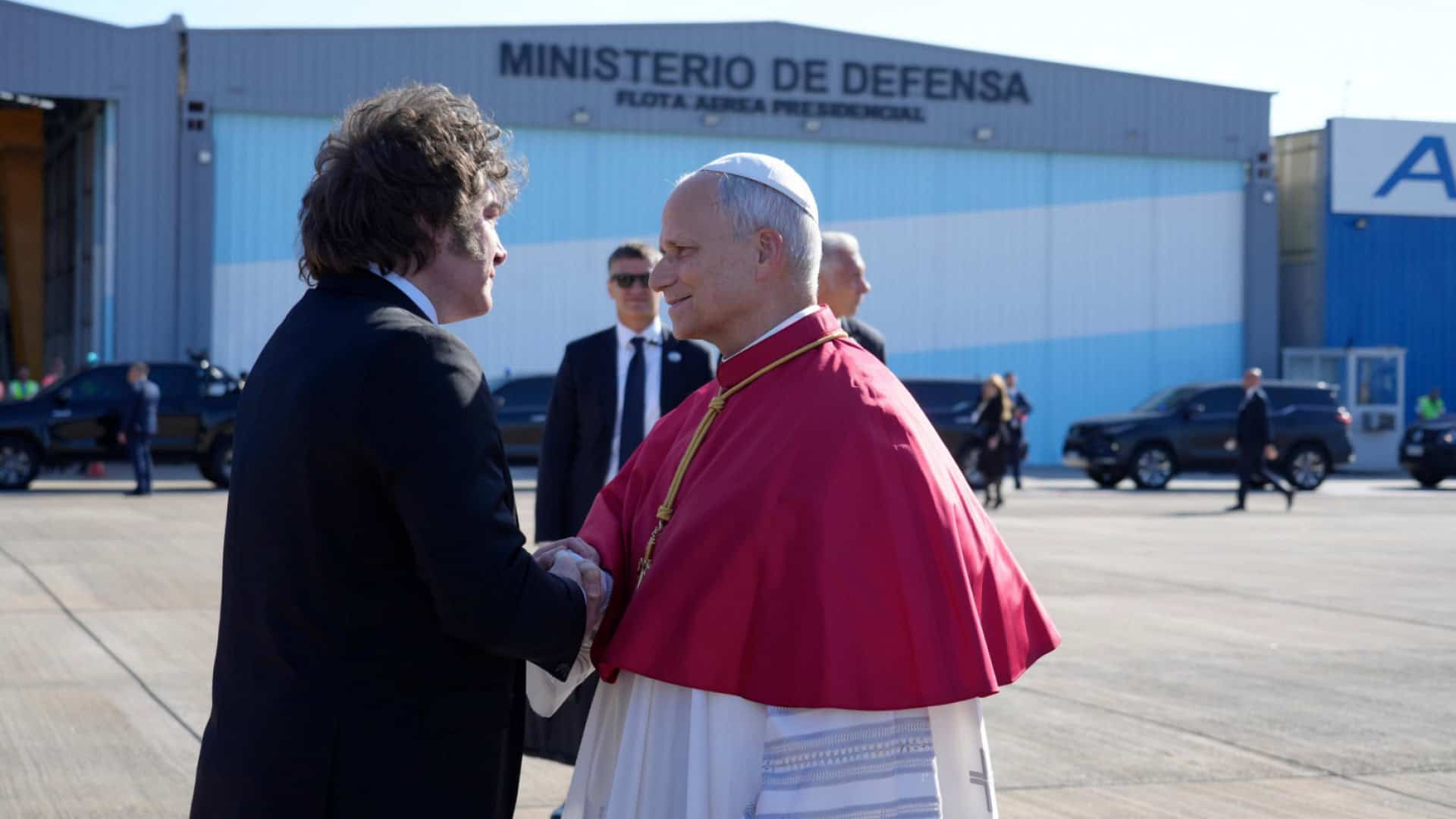
As Pope Leo's visit unfolded with emotional moments and massive public support, the contrast to Pope Francis's tenure became even more pronounced. While Leo's presence seemed to resonate deeply with the Argentine people, Francis's lack of engagement with his homeland continues to baffle many. The emotional farewell between Milei and Leo encapsulated a yearning for connection and leadership that many felt was absent during Francis's time, leaving a lasting impression on the Church and its followers in Argentina.




Related Posts


Stay Informed With the Latest & Most Important News
Newsletter Signup
Previous Post
Next Post