Now Reading: Deep-red Utah elects dues-paying member of the Democratic Socialists of America
-
01
Deep-red Utah elects dues-paying member of the Democratic Socialists of America
Deep-red Utah elects dues-paying member of the Democratic Socialists of America

Article Summary
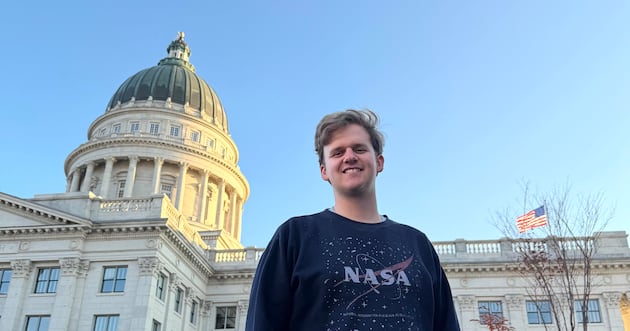
Chappell's victory was characterized by a grassroots campaign that focused on issues such as the rising cost of living and the rights of renters. He emphasized the changing demographics of Provo, suggesting that the city is becoming more diverse in thought, race, and socioeconomic backgrounds. His campaign resonated with younger voters, particularly in the student-heavy areas of Provo and northern Springville, where he garnered support by addressing local concerns. Chappell's win is viewed by Democrats as indicative of a cultural shift in the deeply religious city, while Republicans attribute the outcome to temporary dissatisfaction with the party's current direction.
Despite his victory, Chappell's associations with more radical leftist groups have raised eyebrows. He has distanced himself from extreme ideas, such as those proposed by the Democratic Socialists of America and other activist groups. Chappell condemned political violence and expressed a desire for economic democracy rather than control by the wealthy elite. His controversial remarks, including those regarding capitalism and wealth, have sparked debate among constituents, with some praising his idealism while others express skepticism about his proposals.
Former Representative Thurston attributes Chappell's win to growing anti-Republican sentiment, suggesting that local voters are reacting against the policies of the Trump administration and the state legislature. He believes that the district's political landscape is evolving, becoming more liberal as younger and less affluent voters become more politically active. Meanwhile, local leaders, including Provo City council members, have expressed optimism about Chappell's representation, viewing it as an opportunity for underrepresented voices in the community to be heard.
As both parties reflect on the implications of this election, the future of House District 62 remains uncertain. The next election cycle in 2028 will be crucial in determining whether Chappell's victory was a fleeting moment of change or the beginning of a longer-term transformation in Utah's political dynamics. The contrasting perspectives of voters and political leaders highlight the complexities of this shift, suggesting that while some view it as a sign of progress, others see it as a challenge to traditional values and governance in the region.




Related Posts


Stay Informed With the Latest & Most Important News
Newsletter Signup
Previous Post
Next Post