Now Reading: IRGC Commander Rejects Denuclearization, Threatens U.S. Bases
-
01
IRGC Commander Rejects Denuclearization, Threatens U.S. Bases

Article Summary
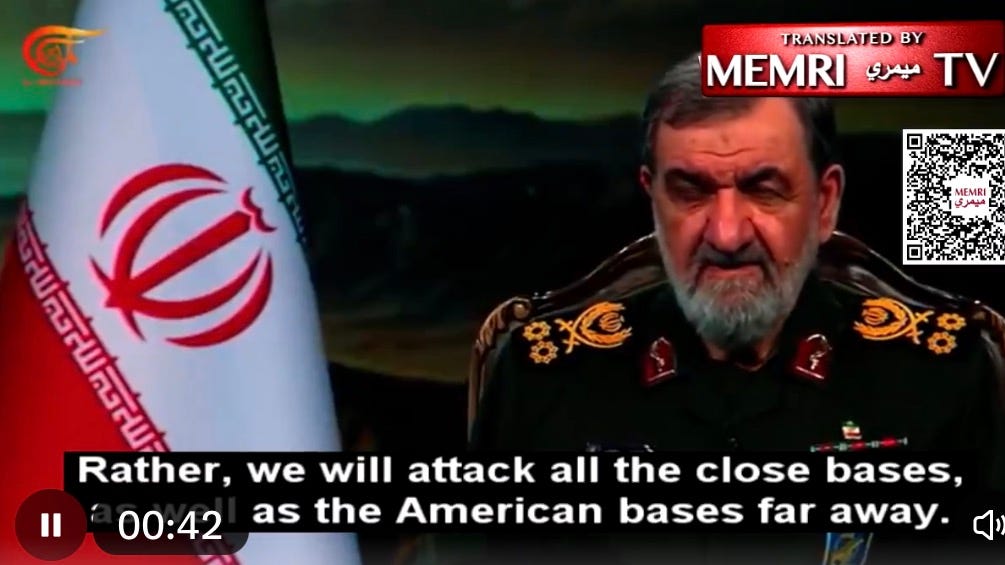
Rezaei's statements come in the wake of Iranian operatives being linked to multiple terrorist attacks in the West, including a recent attempt to strike a UK base utilized by American forces. His comments also reflect a broader sense of confidence within the Iranian regime, as he suggested that recent electoral outcomes in Israel and the U.S. have diminished the influence of leaders like Benjamin Netanyahu and Donald Trump on Iran's operations. This assertion hints at a perceived shift in geopolitical dynamics, with Iranian officials feeling emboldened to pursue their agenda more aggressively.
The general's threats extended beyond mere rhetoric, as he warned that any American attack on Iran would provoke responses not only against nearby military bases but also against U.S. installations further afield, including in Europe. He specifically mentioned the potential for missile strikes on locations deemed safe from Iranian retaliation, thus raising concerns about the reach and capabilities of Iran's military. This threat is particularly alarming given recent attempts by Iranian forces to target military facilities in the UK, highlighting the tangible risks involved.
Reflecting on the broader context of U.S.-Iran relations, the article emphasizes that the time for negotiating with the Iranian regime has long passed. The author argues that Iran has maintained a hostile stance toward the U.S. for decades, consistently promoting anti-American sentiments and engaging in acts of terrorism. This ongoing conflict, characterized by Iran's commitment to its nuclear program and its aggressive military posturing, poses significant challenges for U.S. national security.
In conclusion, the article advocates for a decisive approach to addressing the Iranian threat, suggesting that former President Trump, should he remain in office, focus on dismantling the Iranian regime's capabilities. The author contends that Iran's history of aggression and its recent nuclear ambitions necessitate a strong response to safeguard American interests and allies. Ultimately, the situation underscores the urgent need for a reassessment of U.S. strategy in dealing with Iran, particularly as the regime continues to assert its defiance on the global stage.




Related Posts


Stay Informed With the Latest & Most Important News
Newsletter Signup
Previous Post
Next Post