Now Reading: Beef Battle
-
01
Beef Battle

Article Summary
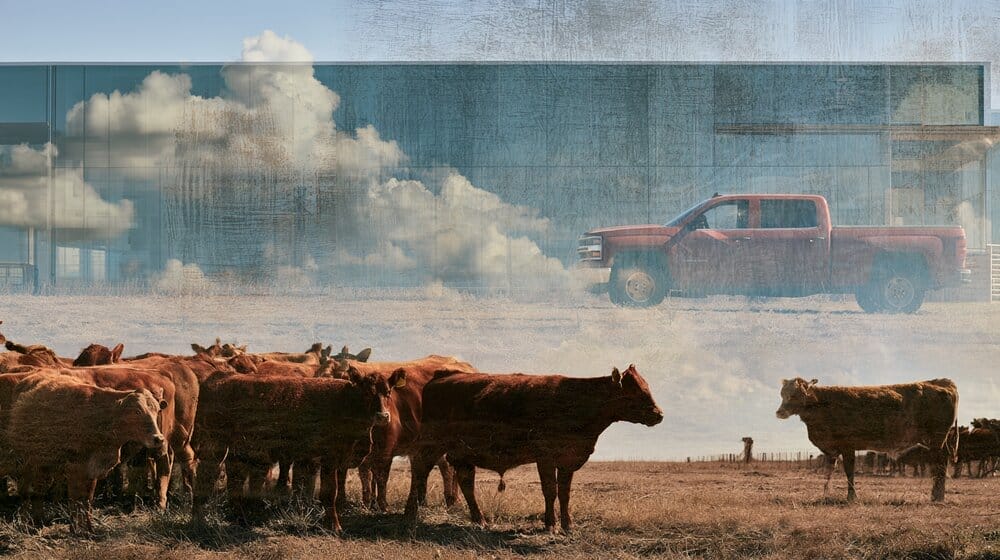
The decline in cattle inventory has reached a critical point, with current figures at around 86 million head, the lowest since the 1950s and down from 94 million five years ago. Russell Boening, president of the Texas Farm Bureau, highlighted that the ongoing drought, particularly in Texas and other western states, has severely impacted ranchers, forcing them to sell cattle earlier than intended due to rising feed and water costs. Boening expressed cautious optimism about recovery, noting that rebuilding the herds will require favorable weather conditions over time.
The challenges facing ranchers extend beyond drought. The geopolitical landscape, particularly the conflict with Iran, has exacerbated financial strains, driving up fertilizer prices by 40% to 50% almost overnight. Coupled with rising diesel prices, these factors have compounded the difficulties for farmers, making it increasingly challenging for them to sustain operations. Many farmers are struggling to secure financing, with interest rates hovering around six to seven percent, leading to concerns about their long-term viability.
In addition to these economic pressures, the resurgence of the New World screwworm, a flesh-eating parasite, poses a new threat to cattle health, further complicating the situation. The consolidation of the beef processing industry, where four companies control approximately 85% of fed cattle processing, allows these firms to maintain higher prices at the consumer level without necessarily passing on profits to the ranchers. Despite the perception that rising beef prices benefit farmers, Boening clarified that the increased costs of inputs and the complexities of the supply chain mean that ranchers are not reaping the rewards.
Rebuilding the national cattle herd is expected to be a lengthy process, potentially taking several years, even with improved weather conditions. As the agricultural sector faces these multifaceted challenges, the path to recovery remains uncertain, emphasizing the need for strategic support and policy interventions to stabilize the industry and ensure food security for consumers.




Related Posts


Stay Informed With the Latest & Most Important News
Newsletter Signup
Previous Post
Next Post
Previous Post
Next Post