Now Reading: Markwayne Mullin was woefully tone-deaf during the FAA crisis — we need someone who knows what they’re talking about
-
01
Markwayne Mullin was woefully tone-deaf during the FAA crisis — we need someone who knows what they’re talking about
Markwayne Mullin was woefully tone-deaf during the FAA crisis — we need someone who knows what they’re talking about

Article Summary
Officials have attempted to reassure the public that the recent outages are not indicative of a cyber attack from foreign nations. Instead, they suggest that these disruptions may stem from organizations hastily applying patches to security vulnerabilities identified by AI and from the strain on outdated infrastructure. However, the public's faith in these reassurances is shaky, largely due to the previous mishandling of the COVID-19 crisis by government leaders, which has left many feeling skeptical about the competence and transparency of those in charge.
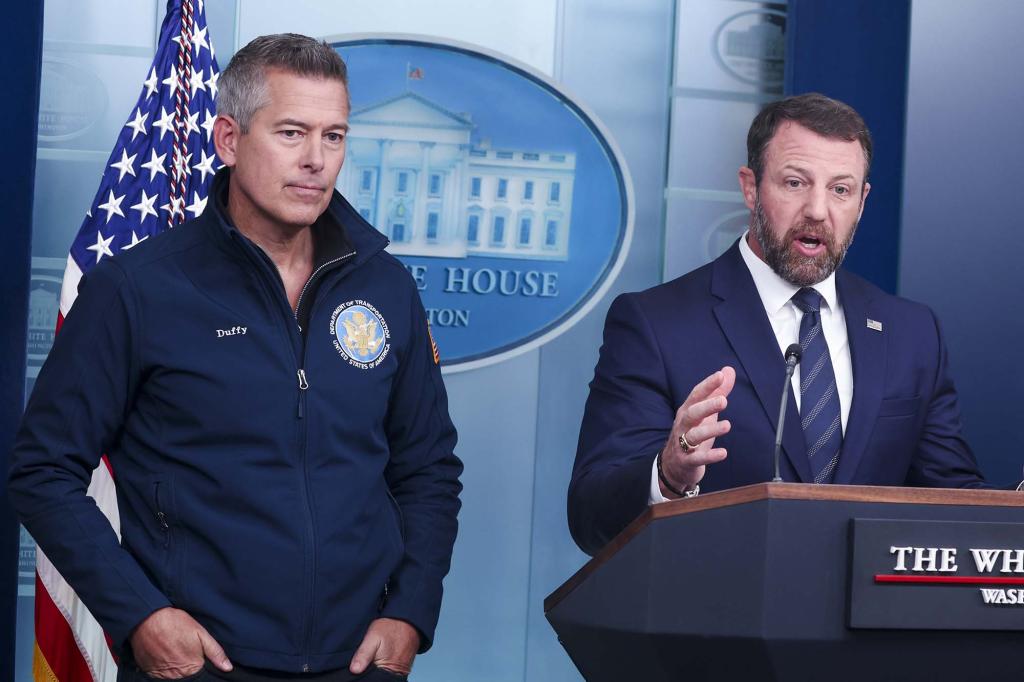
The response from Homeland Security Secretary Markwayne Mullin during the FAA's nationwide ground stop was particularly criticized. His casual demeanor and comments downplaying the severity of the situation, including a reckless reference to 9/11, failed to provide the reassurance the public sought. Moreover, his decision to attend a college football game in the midst of the crisis, despite the chaos at airports, was seen as tone-deaf and indicative of a lack of seriousness about his responsibilities. This behavior has contributed to a growing perception of elitism and a disconnect between government officials and the everyday experiences of citizens.
Mullin's actions have drawn attention not only for their lack of sensitivity but also for their implications regarding integrity in public service. Critics highlight the importance of leaders demonstrating accountability and humility, especially in times of crisis. The juxtaposition of Mullin's privileged lifestyle against the struggles faced by ordinary Americans during travel disruptions underscores a growing resentment toward perceived elitism among public officials. This sentiment resonates with a broader narrative of class disparity and the erosion of public trust in government.
In contrast, Senator Marco Rubio's recent statement aimed to address public concerns by acknowledging the unsettling nature of the tech outages and emphasizing the need for transparency from government officials. His call for clear communication reflects a desire for accountability and reassurance in the face of uncertainty. As the nation grapples with the implications of these tech failures, the appointment of a confirmed director for the Cybersecurity and Infrastructure Security Agency (CISA) is deemed essential for effective management of future cyber threats. The ongoing challenges surrounding public trust and government responsiveness highlight the critical need for competent leadership in navigating an increasingly complex technological landscape.




Related Posts



Stay Informed With the Latest & Most Important News
Newsletter Signup
Previous Post
Next Post