Now Reading: The Highest Grade Kristol Meth
-
01
The Highest Grade Kristol Meth

Article Summary
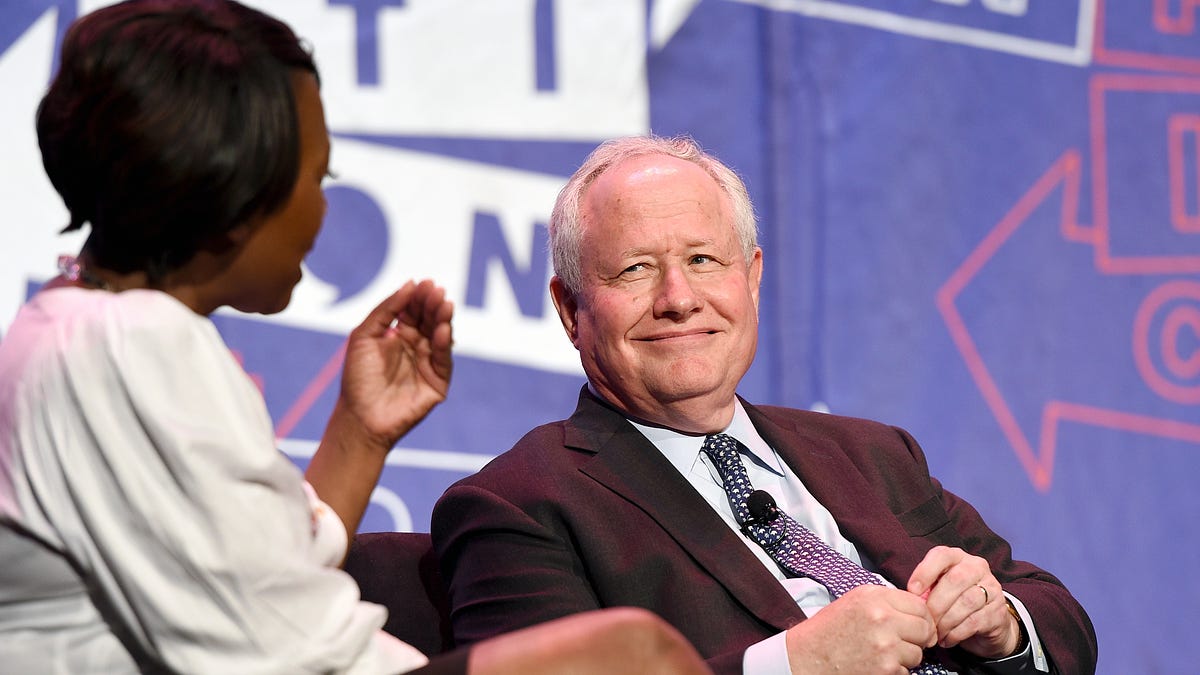
The piece critiques Kristol's recent admissions of liberal leanings, specifically through the lens of Sarah Longwell's candid acknowledgment of her liberal identity, which seemingly undermines The Bulwark's facade of being a conservative opposition to Trumpism. The author expresses sympathy for Longwell, noting her expertise in political consulting rather than ideological discourse, while contrasting her current views with Kristol's previous hardline stances on issues like marriage equality. This juxtaposition serves to highlight a broader theme of shifting political identities within the conservative landscape, particularly in the wake of Trump's rise.
Kristol's transformation is further scrutinized through his past positions on various issues, including abortion, foreign policy, and LGBTQ rights. The article emphasizes the stark contradictions between his earlier beliefs—such as advocating for a national ban on abortion and supporting sodomy laws—and his current support for reproductive rights and progressive policies. This evolution raises questions about the authenticity of his ideological shifts and whether they stem from genuine belief or a pragmatic response to changing political dynamics.
The author posits that Kristol's lack of accountability for his past ideas reflects a deeper trend among political operatives who prioritize power over principle. By framing Kristol as an "apparatchik" rather than a thinker, the article critiques his inability to engage meaningfully with the ideological underpinnings of his previous positions. The commentary suggests that Kristol's current alignment with Democratic values is less about a sincere ideological conversion and more about navigating a political landscape that has left him without a traditional conservative base.
In conclusion, the article presents a critical view of Bill Kristol's political journey, emphasizing the contradictions and opportunism inherent in his recent ideological shifts. It raises broader questions about the nature of political identity and the sincerity of public figures in adapting their beliefs for strategic gain. Ultimately, the narrative underscores the complexities of modern conservatism and the challenges faced by those who have historically wielded influence within the Republican Party, particularly in the era of Trump.




Related Posts


Stay Informed With the Latest & Most Important News
Newsletter Signup
Previous Post
Next Post