Now Reading: Tillis blocks Trump cybersecurity nominee who refused to acknowledge Jan. 6 attack
-
01
Tillis blocks Trump cybersecurity nominee who refused to acknowledge Jan. 6 attack
Tillis blocks Trump cybersecurity nominee who refused to acknowledge Jan. 6 attack

Article Summary
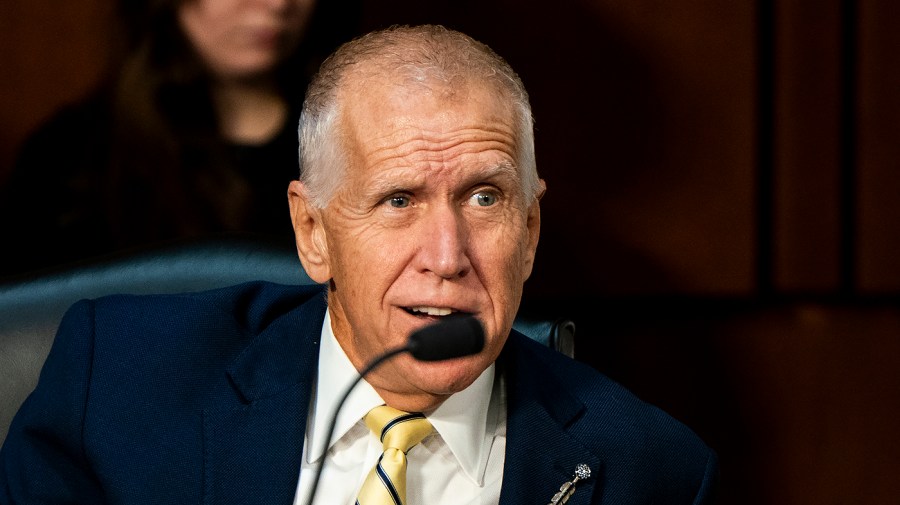
During the hearing, the nominee was asked directly about the events of January 6, but did not provide a clear acknowledgment of the attack. This response has led Tillis to conclude that the nominee lacks the necessary perspective to lead an agency that plays a crucial role in protecting the nation's cybersecurity and infrastructure. The senator's stance highlights the broader political divisions surrounding the January 6 events and the ongoing debates regarding accountability and interpretation of those events.
Tillis's decision to block the nomination reflects a growing trend among some lawmakers who prioritize a clear stance on the January 6 attack as a litmus test for public service positions. The senator's concerns are not only about the nominee’s views but also about the implications of appointing individuals who may not fully recognize the significance of threats to democratic institutions. This situation underscores the heightened scrutiny that nominees face, particularly in relation to their political views and historical interpretations.
The ramifications of Tillis's stance could extend beyond this particular nomination, potentially influencing future appointments and the overall political landscape. By taking a firm position, Tillis aims to signal to both his constituents and colleagues that acknowledging the January 6 attack is essential for anyone in a position of authority, especially in agencies responsible for national security and infrastructure.
As the nomination process unfolds, it remains to be seen how this will impact the Biden administration's efforts to fill key positions and whether other lawmakers will align with Tillis's perspective. The situation serves as a reminder of the ongoing polarization in American politics, particularly regarding the events surrounding the Capitol attack and its implications for governance and national security.




Related Posts

Stay Informed With the Latest & Most Important News
Newsletter Signup
Previous Post
Next Post