Now Reading: Alito and Thomas: The Supreme Court’s Ticking Clock
-
01
Alito and Thomas: The Supreme Court’s Ticking Clock

Article Summary
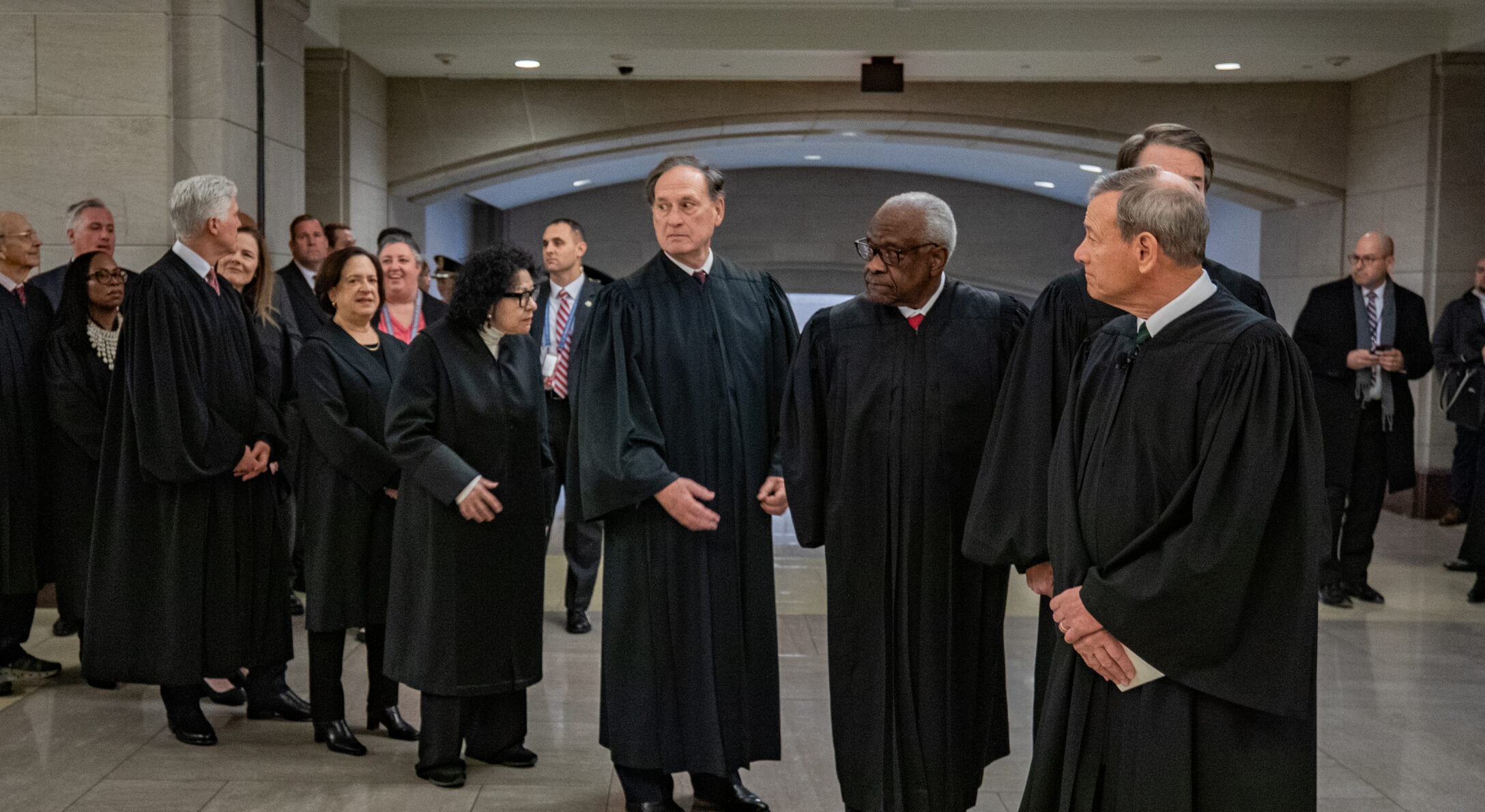
Despite their accomplishments, there is a growing concern that Alito and Thomas should consider stepping down soon, particularly before the new Congress is sworn in on January 3, 2026. With Republicans poised to lose their majorities in both the Senate and House, the urgency for them to retire becomes apparent. The ideal scenario would involve their successors being appointed by a Republican president, ensuring continuity in judicial philosophy that emphasizes originalism and judicial restraint. The potential for a Democrat-led Senate to confirm justices with opposing views raises alarms for conservative supporters of the current justices.
The current ages of Thomas (78) and Alito (76) suggest they could serve longer, but the political climate necessitates a strategic approach to their retirements. Reports indicate that Alito has considered serving until at least mid-2027, but the looming shift in congressional power may prompt a reevaluation of that timeline. The discussion surrounding their retirement is not merely about their personal choices; it is also tied to the political implications of their replacements. The prospect of being succeeded by justices who do not align with their judicial philosophies, particularly in a post-Trump era, is a significant concern.
The need for a Republican president and Senate to confirm successors is underscored by the recent electoral losses for the GOP, which could hinder their ability to influence future Supreme Court appointments. The current Republican majority in the Senate is set to flip to a Democrat majority, complicating any potential confirmations of conservative justices. The urgency for Alito and Thomas to act swiftly is compounded by the reality that any delay could result in their seats being filled by nominees who do not share their judicial principles.
In conclusion, while there is a strong desire for Alito and Thomas to remain on the bench for as long as possible, the current political landscape suggests that if they are contemplating retirement, the time to act is now. The potential for a future Republican resurgence in 2028 offers hope, but the immediate concern is ensuring that their legacies are secured through like-minded successors. The plea for them to consider their timing reflects both a personal admiration for their service and a strategic understanding of the broader implications for the Supreme Court and conservative jurisprudence.




Related Posts

Stay Informed With the Latest & Most Important News
Newsletter Signup
Previous Post
Next Post