Now Reading: White Plains’ Commitment to Liberty During Crisis
- 01
White Plains’ Commitment to Liberty During Crisis

Article Summary
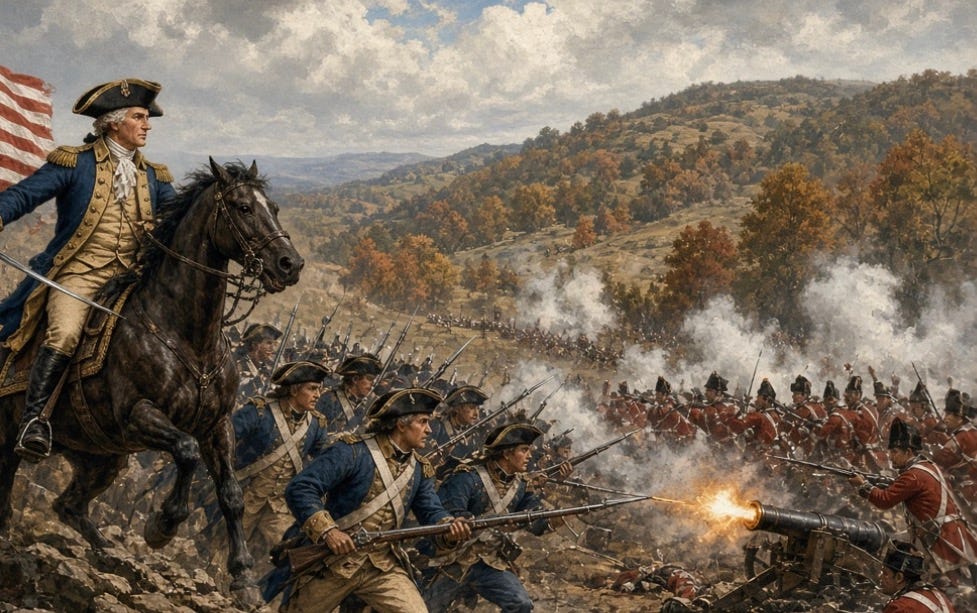
At this point in the war, Washington faced overwhelming challenges, including dwindling financial resources, a shortage of manpower, and a growing sense of despair about the prospects for victory. Just weeks prior to the battle, he had expressed deep concern about the future of the revolutionary effort, feeling the weight of the struggle for liberty pressing heavily upon him. The retreat from White Plains only intensified these feelings of uncertainty.
Despite these adversities, Washington chose to remain on the battlefield, demonstrating remarkable resilience and leadership. His ability to maintain the loyalty of his troops during such trying times was commendable. Many of his soldiers, inspired by his determination, chose to stay with him, highlighting the bond of trust and commitment that had developed between the commander and his men.
The winter of 1776 would prove pivotal for Washington and his army. Just a couple of months after the retreat from White Plains, they would stage a remarkable comeback during the surprise attack at Trenton on Christmas night. This victory not only boosted the morale of the American forces but also reinvigorated the revolutionary cause, demonstrating that perseverance in the face of adversity could yield significant results.
Ultimately, the events surrounding the Battle of White Plains and the subsequent winter campaign underscored the importance of resilience and leadership in the fight for independence. Washington's decision to stay in the field, despite overwhelming odds, exemplified the spirit of the American Revolution and set the stage for future successes in the struggle for liberty.




Related Posts



Stay Informed With the Latest & Most Important News
Newsletter Signup
Previous Post
Next Post