Now Reading: Voter fraud is real; stop ignoring the evidence
- 01
Voter fraud is real; stop ignoring the evidence

Article Summary
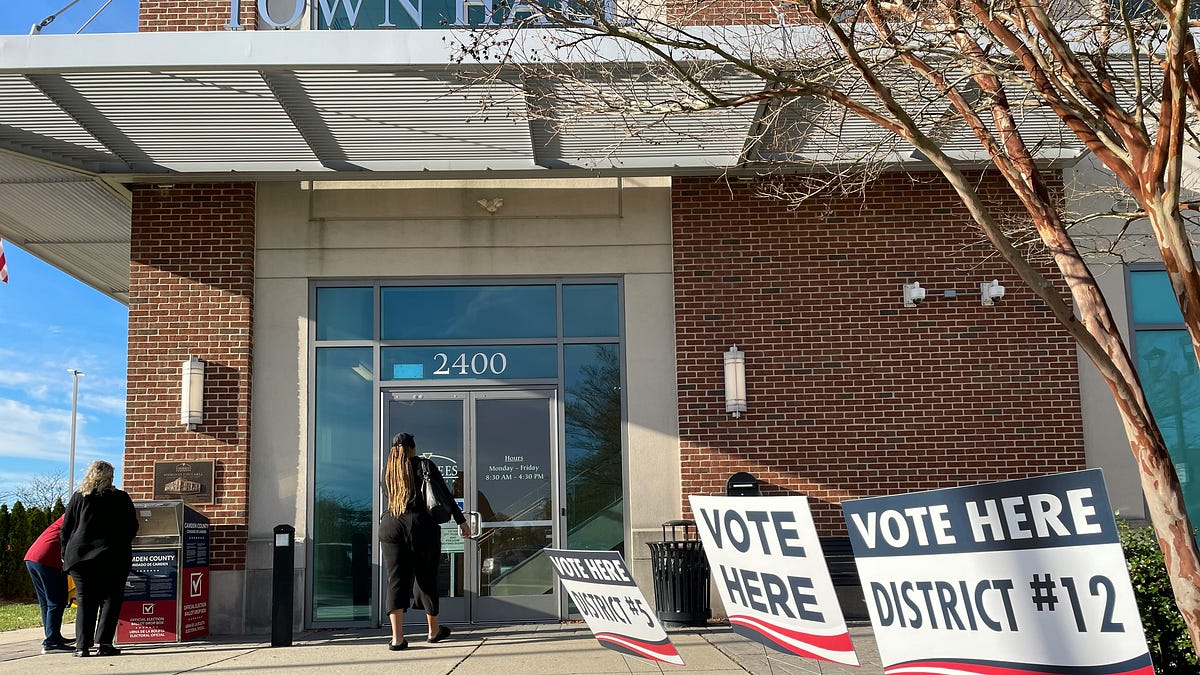
Interestingly, some media outlets, including the New York Times, have begun to modify their language regarding voter fraud. While they continue to frame allegations as exaggerated, they now acknowledge that small numbers of illegal votes are cast in each election cycle. However, they argue that these numbers are not significant enough to sway major elections. This new stance raises questions about what constitutes a meaningful threshold for voter fraud and whether any level of illegitimate voting should be tolerated in a democratic system.
The discussion of voter fraud is further complicated by the razor-thin margins of many recent elections, which could easily be affected by even a small number of fraudulent votes. Examples from past elections, such as the 2000 presidential race and various state contests decided by mere votes, illustrate that even minor instances of fraud could have substantial consequences. This leads to a critical inquiry about the acceptable level of fraud in elections and whether the media and political leaders should prioritize addressing these concerns, especially given the widespread anxiety among voters about the integrity of the electoral process.
Polling data reveals that a significant portion of the American public, across political affiliations, is concerned about voter fraud. This persistent worry is often dismissed by the media as unfounded, but such dismissals do little to alleviate public fears. Instead, they may reinforce the belief that there is a disconnect between the media's portrayal of the issue and the genuine concerns of voters, which could further erode trust in the electoral process.
Ultimately, the media's failure to engage meaningfully with the topic of voter fraud risks creating a national crisis of confidence in elections. As the midterms unfold, any irregularities or perceived issues will likely validate the suspicions of many voters, regardless of the actual prevalence of fraud. This ongoing tension highlights the need for a more honest and open dialogue about electoral integrity, rather than a simplistic narrative that dismisses legitimate concerns as mere conspiracy theories. Acknowledging the complexities of voter fraud and the public's apprehensions is crucial for maintaining the legitimacy of the democratic process.




Related Posts

Stay Informed With the Latest & Most Important News
Newsletter Signup
Previous Post
Next Post
Previous Post
Next Post