Now Reading: Support for keeping Cheesecake Factory as is
- 01
Support for keeping Cheesecake Factory as is

Article Summary
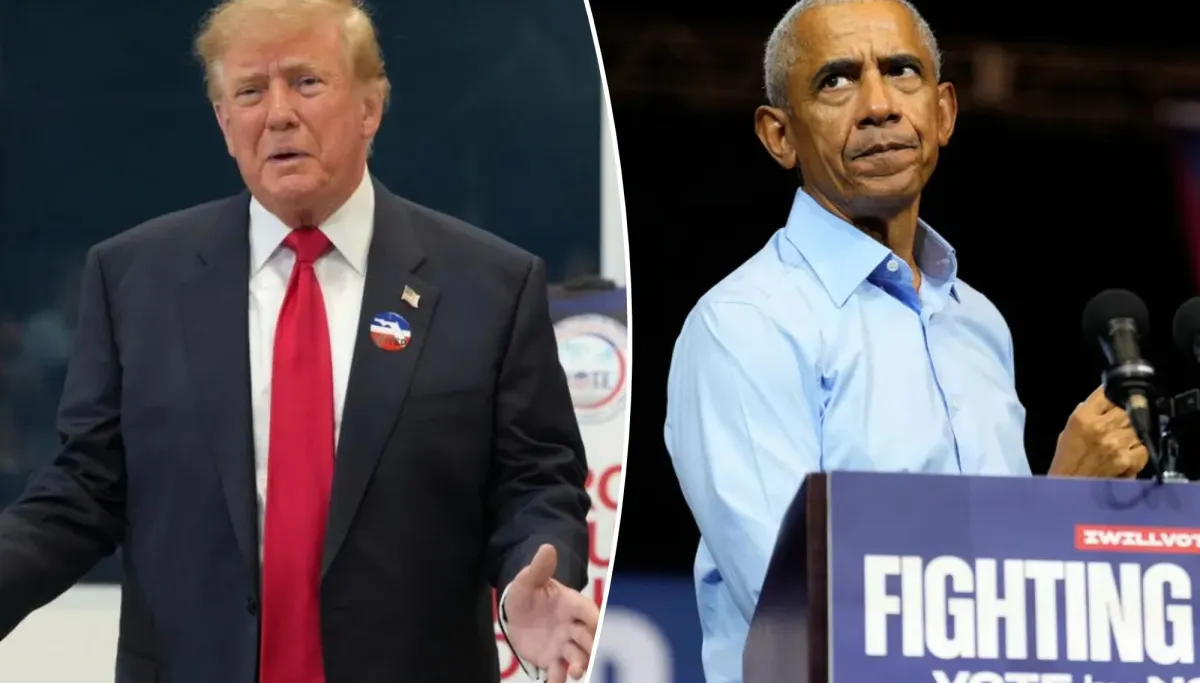
During one of his campaign stops, Obama expressed his fatigue with the current political climate, stating he is "tired of being angry" and desires a more united America. He called for a spirit of neighborliness and cooperation, emphasizing the importance of working together to improve the country for future generations. However, his call for unity has drawn criticism as it seems contradictory to his past actions and rhetoric, which some argue have contributed to the divisions he now seeks to mend.
Critics suggest that Obama's appeal for civility is disingenuous, as it contrasts sharply with his history of confrontational political tactics. They liken his current pleas to a form of political manipulation, reminiscent of previous promises he made during his presidency that were criticized for being misleading. The comparison is drawn to his assurances regarding the Affordable Care Act, which many believe did not hold true for all Americans, suggesting a pattern of rhetoric that prioritizes political gain over genuine unity.
Furthermore, the commentary surrounding Obama's recent remarks points to a broader narrative about the nature of political discourse in America. Critics argue that while Obama calls for an end to division, his actions and statements may actually perpetuate a cycle of discord, particularly when directed at political opponents. This perspective views his calls for peace as a tactic to silence dissenting voices rather than a genuine desire for coexistence.
Ultimately, the debate surrounding Obama's campaign efforts highlights the complexities of political rhetoric in the current climate. While he advocates for friendship and cooperation, many perceive his approach as one that seeks to maintain a political advantage for the left, rather than fostering true dialogue and understanding among differing political ideologies. This ongoing discourse reflects the deep-seated divisions that characterize contemporary American politics.




Related Posts

Stay Informed With the Latest & Most Important News
Newsletter Signup
Previous Post
Next Post