Now Reading: Elias’ firm linked to Alaska ballot rigging plot
- 01
Elias’ firm linked to Alaska ballot rigging plot

Article Summary
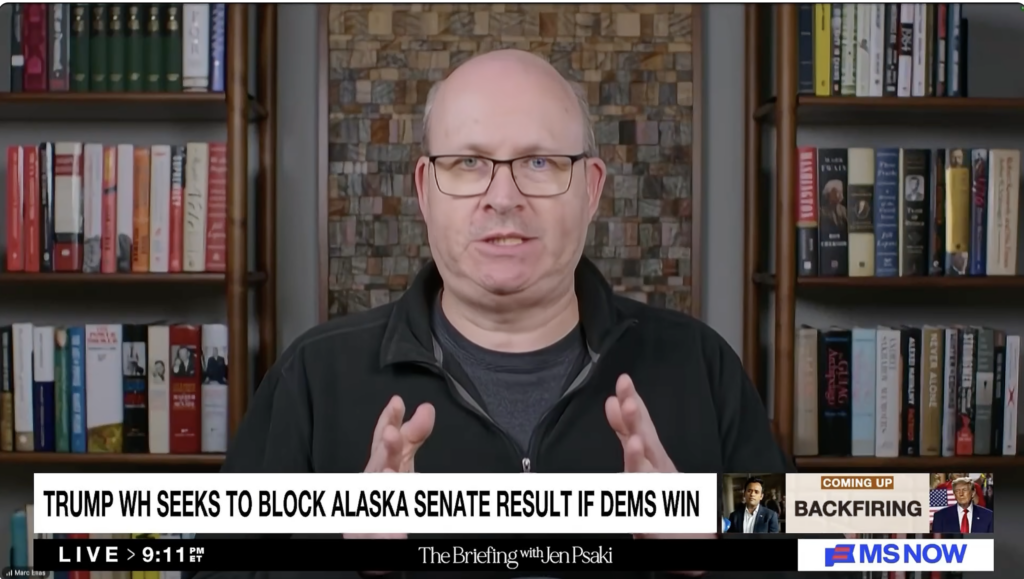
The "Decoy Dan" strategy was designed to create a muddled ballot to siphon votes away from the incumbent senator, thereby aiding Peltola's chances in the election. The campaign's involvement with the Elias Law Group, led by Marc Elias—who has a controversial history with political scandals—has drawn particular scrutiny. The law firm is reportedly connected to the Democratic Senatorial Campaign Committee (DSCC), which also denies any participation in the scheme. The situation has prompted investigations by both Alaska Governor Mike Dunleavy and the Department of Justice, with subpoenas issued to gather evidence related to the alleged misconduct.
Senator Ron Johnson, who chairs the Permanent Subcommittee on Investigations, has expressed concern over the findings, describing the scheme as potentially criminal behavior orchestrated by Democratic operatives. He has initiated steps to preserve communications among those involved, indicating a serious inquiry into the matter. The implications of the report extend beyond Peltola's campaign, potentially involving broader ramifications for the Democratic Party's tactics in upcoming elections.
Marc Elias, known for his involvement in high-profile legal battles and controversies, has been a central figure in this unfolding scandal. His previous work, including the Russia collusion hoax and various election law cases, has positioned him as a contentious figure in political circles. The Times report highlights his connection to the scheme and raises questions about the ethical boundaries of political strategy, particularly in light of his history of employing aggressive legal tactics.
Republican National Committee officials have condemned Peltola's actions, labeling them as fraudulent and indicative of a broader strategy to manipulate the electoral process. The accusations of "rigging the ballot" and disenfranchising voters underscore the gravity of the situation, as both parties prepare for a contentious election cycle. As investigations continue, the focus remains on the potential consequences for Peltola's campaign and the implications for Democratic strategies in future elections.




Related Posts
Stay Informed With the Latest & Most Important News
Newsletter Signup
Previous Post
Next Post