Now Reading: Beyond the polls: Republicans’ midterm dilemma and 2028
-
01
Beyond the polls: Republicans’ midterm dilemma and 2028


Article Summary
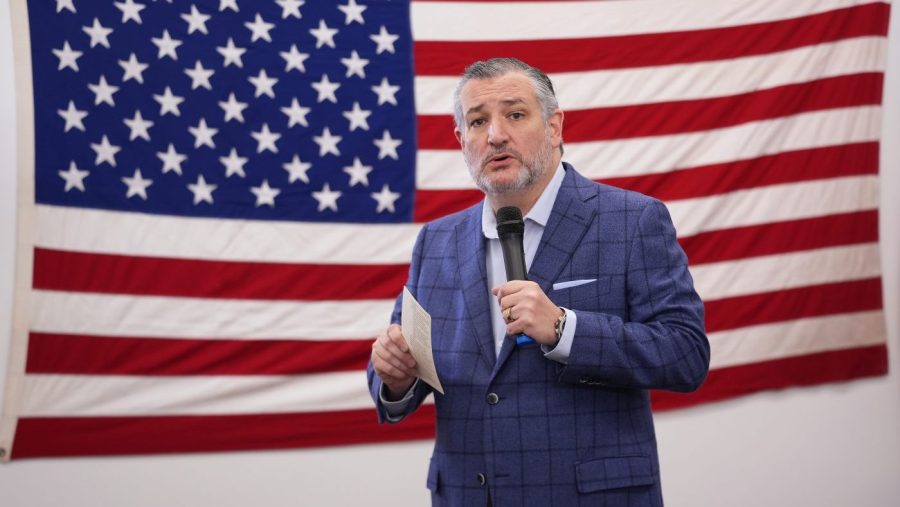
Jashinsky noted that while there might be a conventional polling error that could favor Republicans, there is also a possibility that pollsters are underestimating Democrats' leads due to difficulties in reaching rural Republican voters. These voters, who had previously supported Trump for his outsider status, may now be disillusioned by ongoing issues such as inflation and foreign conflicts, leading them to consider voting for Democrats or abstaining altogether. This potential shift among key demographics could have dire consequences for Republican candidates in crucial states like Ohio, Michigan, and Texas.
The conversation also touched on the quality of GOP candidates, with Jashinsky expressing concern about figures like Mike Rogers, who may not resonate with the current base of the party. She criticized Rogers for failing to embrace the MAGA identity, which could alienate voters who are looking for strong alignment with Trump’s policies. The discussion suggested that the GOP's candidate selection process may be failing to connect with the grassroots sentiments that propelled Trump’s rise, potentially leading to losses in critical races.
Weichert and Jashinsky further examined the implications of GOP populism being entangled with high-profile corruption cases, particularly those involving Trump and his associates. Jashinsky pointed out that even among staunch Trump supporters, there is a growing discomfort regarding perceived grift and corruption within the party. This sentiment could undermine the party's appeal to independent voters and those who initially supported Trump out of frustration with the establishment rather than a deep-seated loyalty to him.
Finally, the conversation underscored the broader challenges facing the Republican Party as it navigates the complexities of its identity and electoral strategy moving towards the 2028 elections. To succeed, the GOP will need to disentangle its populist messaging from the controversies surrounding Trump while still appealing to the core MAGA base. The implications of these dynamics are significant, as the party must find a way to adapt to changing voter sentiments and maintain electoral viability in an increasingly polarized political landscape.




Related Posts
Stay Informed With the Latest & Most Important News
Newsletter Signup
Previous Post
Next Post
Previous Post
Next Post