Now Reading: Look in the mirror, President Trump, after Republicans’ midterm rout
-
01
Look in the mirror, President Trump, after Republicans’ midterm rout

Article Summary
Within the Democratic Party, internal conflicts were temporarily subdued during the campaign, but tensions remain high. The harsh treatment of former primary rival Haley Stevens, who faced accusations of mental instability and antisemitism, illustrates the consequences for dissenters within the party. This punitive approach serves as a warning to those who might challenge the party's leftward shift, indicating a clear choice by the Democratic establishment to embrace a more radical agenda.
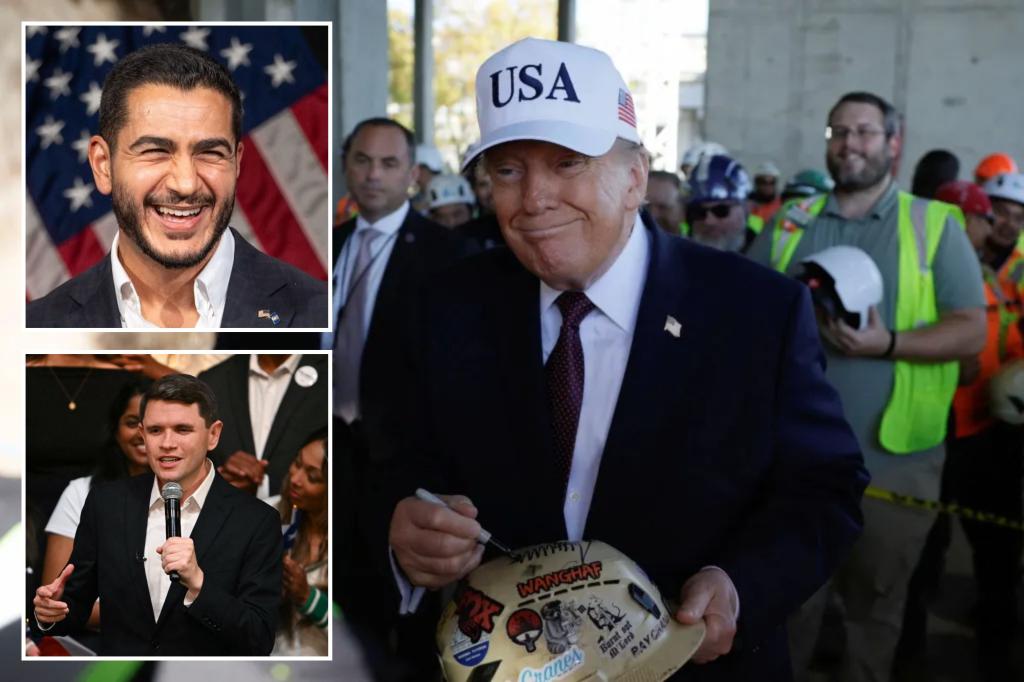
On the Republican side, former President Trump cannot dismiss the electoral losses as mere coincidence; they were a direct reflection of his controversial leadership style. His handpicked candidates underperformed, and exit polls indicated that his approval rating was at a historic low, with voters attributing economic woes—including rising gas prices and inflation—to his administration's policies. The discontent surrounding the Iran war and immigration issues emerged as key factors that Democrats successfully leveraged against Republicans during the campaign.
Former House Speaker Newt Gingrich highlighted the significance of gas prices as a pivotal electoral issue, noting that high fuel costs were a major source of frustration for voters. This economic discontent was effectively used by Democrats to shift blame onto Trump and his policies. In Maine, local leaders emphasized how rising heating costs directly impacted households, further fueling resentment toward the Republican leadership. The Democrats' consistent framing of Trump and his associates as corrupt has resonated with voters and positions them for a potential investigation into his administration.
Looking ahead, Trump has the opportunity to pivot his focus toward addressing economic concerns and distance himself from the controversies that have plagued his administration. By prioritizing the economy and steering clear of divisive issues, he could set the stage for a Republican resurgence in future elections. However, the political landscape remains dynamic, with numerous potential candidates emerging on both sides as the 2028 election approaches. If Trump can navigate this period effectively, he may preserve his legacy and create a favorable environment for a Republican successor.




Related Posts


Stay Informed With the Latest & Most Important News
Newsletter Signup
Previous Post
Next Post