Now Reading: Did MAGA fail or did Republicans fail MAGA? The GOP’s post-midterm divide
-
01
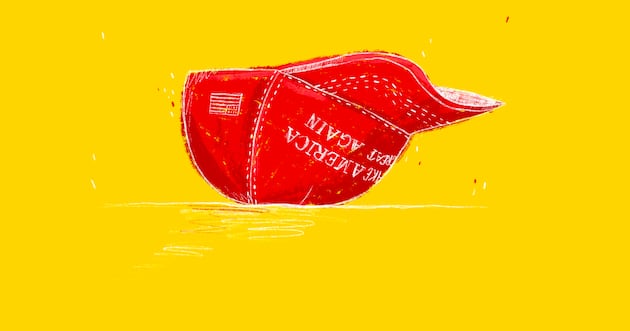
Did MAGA fail or did Republicans fail MAGA? The GOP’s post-midterm divide

Article Summary
In the wake of the elections, U.S. Senator John Curtis from Utah emerged as a voice advocating for a return to traditional conservative values. He criticized the GOP for straying from its foundational principles in pursuit of electoral success, asserting that this deviation ultimately led to the party's downfall. Curtis emphasized the need for the GOP to acknowledge its mistakes and realign itself with core conservative tenets, arguing that the party's reliance on populist promises under Trump conflicted with long-term conservative goals. He urged a focus on good governance and a commitment to policies that genuinely benefit the country.
As the Republican Party grapples with its identity, discussions are underway regarding its future leadership. While some advocate for a pivot away from Trump's populism, others argue that the party must retain its aggressive, anti-establishment stance. Figures like Ron DeSantis are mentioned as potential leaders who could blend Trump's rhetoric with a fresh approach. The results from the midterms serve as a wake-up call, revealing a need for a younger, more dynamic candidate pool to reinvigorate the party and address the concerns of voters.
The election outcomes also suggest a shifting sentiment among the electorate regarding political discourse. Tim Shriver, co-creator of the Dignity Index, noted that voters appear to be growing weary of divisive rhetoric and name-calling, favoring candidates who promote unity and common ground. This trend was evident in the victories of candidates who focused on positive messaging, contrasting with those who employed aggressive tactics. The results indicate a potential turning point in how political campaigns are conducted, with a growing demand for civility and respect in political dialogue.
Despite the calls for introspection and change, there remains a division within the GOP about the path forward. Some operatives argue that the party's failures stem from not fully implementing the promises associated with the Trump era, rather than a rejection of its populist style. This perspective suggests that the GOP should continue to embrace its transformation while focusing on delivering on its commitments to voters. As the party navigates this tumultuous period, the challenge lies in reconciling its populist roots with a renewed commitment to conservative governance, all while preparing for the next electoral cycle.




Related Posts
Stay Informed With the Latest & Most Important News
Newsletter Signup
Previous Post
Next Post
Previous Post
Next Post