Now Reading: JD Vance sold Trump out after the midterm shellacking — it’s time to cut him off
-
01
JD Vance sold Trump out after the midterm shellacking — it’s time to cut him off
JD Vance sold Trump out after the midterm shellacking — it’s time to cut him off

Article Summary
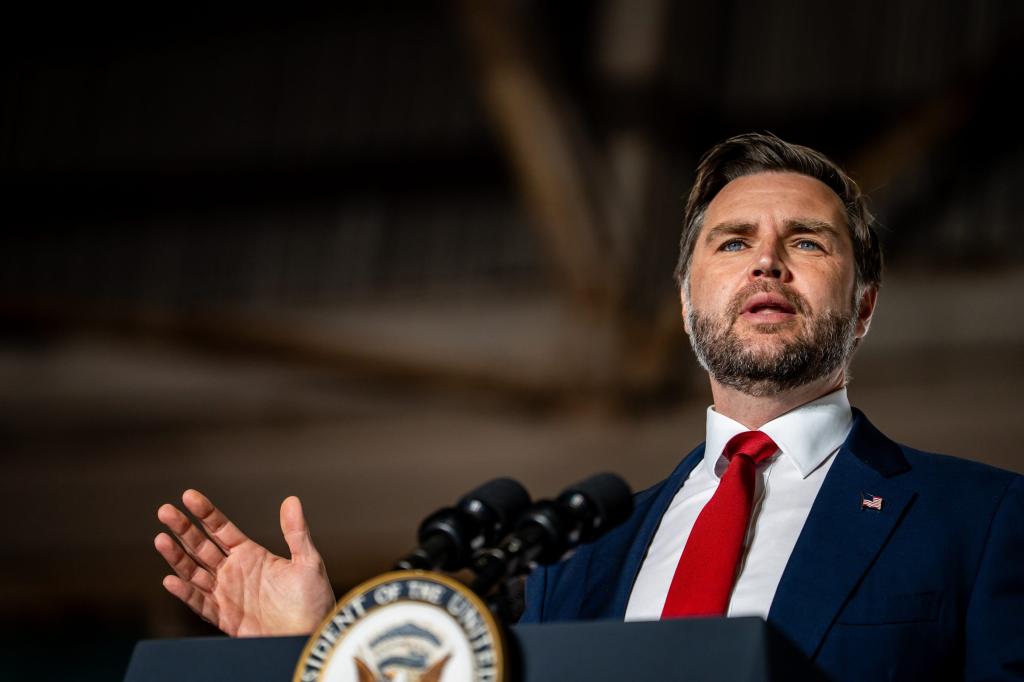
Vance's public statement following the election has drawn criticism for its apparent disconnection from Trump's established policies, particularly regarding Iran. He did not defend the administration's stance on preventing Iran from obtaining nuclear weapons, which has been a central theme of Trump's foreign policy. Instead, Vance's comments seem to align more closely with Democratic approaches, suggesting a preference for appeasement over a firm stance against Iran's threats. This lack of clarity and commitment raises questions about Vance's political alignment and intentions moving forward, especially as he appears to position himself for a potential presidential run in 2028.
The critique further emphasizes Vance's failure to acknowledge the broader implications of the election results and the factors contributing to the GOP's losses. While he attributes the defeat largely to the war, he neglects to consider Trump's personal conduct and ongoing controversies, which may have alienated voters. This selective analysis is seen as disingenuous, as it overlooks the multifaceted reasons behind the electoral outcome and attempts to shift blame away from his own actions and decisions as Vice President.
Moreover, Vance's comments regarding Israel and the war raise significant concerns about his loyalty and judgment. By suggesting that Israel is a primary reason for the conflict, he aligns himself with narratives that resonate with anti-Israel sentiments, which could alienate a critical segment of the Republican base. His failure to address the broader geopolitical context, including NATO's role and the alliance with Israel, demonstrates a lack of understanding of the complexities involved in U.S. foreign policy.
Reflecting on Vance's political trajectory, the piece questions how he transformed from a vocal critic of Trump to a key ally and potential successor. While he played a significant role in securing victories for Trump in swing states, his recent actions suggest a departure from the principles and strategies that initially aligned him with the administration. The author wonders what has changed in Vance's approach and whether he can reclaim the political acumen that once made him a valuable asset to Trump's campaign.




Related Posts

Stay Informed With the Latest & Most Important News
Newsletter Signup
Previous Post
Next Post
Previous Post

Next Post