Now Reading: When Antisemitism Goes Mainstream: The Warning of Rabbi Jonathan Sacks
-
01
When Antisemitism Goes Mainstream: The Warning of Rabbi Jonathan Sacks


Article Summary
The text shifts to discuss the political landscape in the UK, particularly focusing on the rise of Jeremy Corbyn, the leader of the Labour Party, who openly courted Islamist groups hostile to Israel. This development heightened fears among the Jewish community as it signaled a shift toward the normalization of extremist ideologies within mainstream politics. The author reflects on how this trend parallels broader societal issues, where authorities have often ignored rising antisemitism and violence against Jewish individuals and institutions.
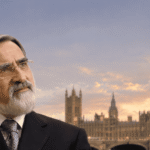
The late Rabbi Jonathan Sacks emerges as a significant figure in this discourse. As the youngest Chief Rabbi of the UK, he was respected not only within the Jewish community but also by political leaders, including Prime Minister Tony Blair and King Charles III. Rabbi Sacks was known for his interfaith work and his belief in the importance of religious freedom and mutual respect among different faiths. He argued that the real conflict of the 21st century would be within civilizations rather than between them, advocating for a united front among Jews, Christians, and Muslims to defend shared values.
Despite his usual avoidance of political controversy, Rabbi Sacks felt compelled to speak out against Corbyn's endorsement of extremist groups. He delivered a powerful speech in the House of Lords, articulating the dangers of unchecked antisemitism and the historical lessons that must not be forgotten. Sacks emphasized that antisemitism, in its various forms, remains a persistent threat that mutates over time, warning that when hate moves from the fringes to the mainstream, it endangers not just Jews but humanity as a whole.
In his speech, Rabbi Sacks drew parallels between the current political climate and historical instances of collective amnesia that have led to tragedy. He echoed the urgency of Churchill's rhetoric during World War II, calling for a collective awakening to the threats facing civilization. Sacks' address serves as a reminder of the moral clarity needed in times of crisis, urging society to recognize and combat the forces that seek to undermine shared values and human dignity.




Related Posts


Stay Informed With the Latest & Most Important News
Newsletter Signup
Previous Post
Next Post