Now Reading: The 30 Most Jaw-Dropping Things Trump Said in His First Post-Election “60 Minutes” Interview
-
01
The 30 Most Jaw-Dropping Things Trump Said in His First Post-Election “60 Minutes” Interview
The 30 Most Jaw-Dropping Things Trump Said in His First Post-Election “60 Minutes” Interview

Article Summary
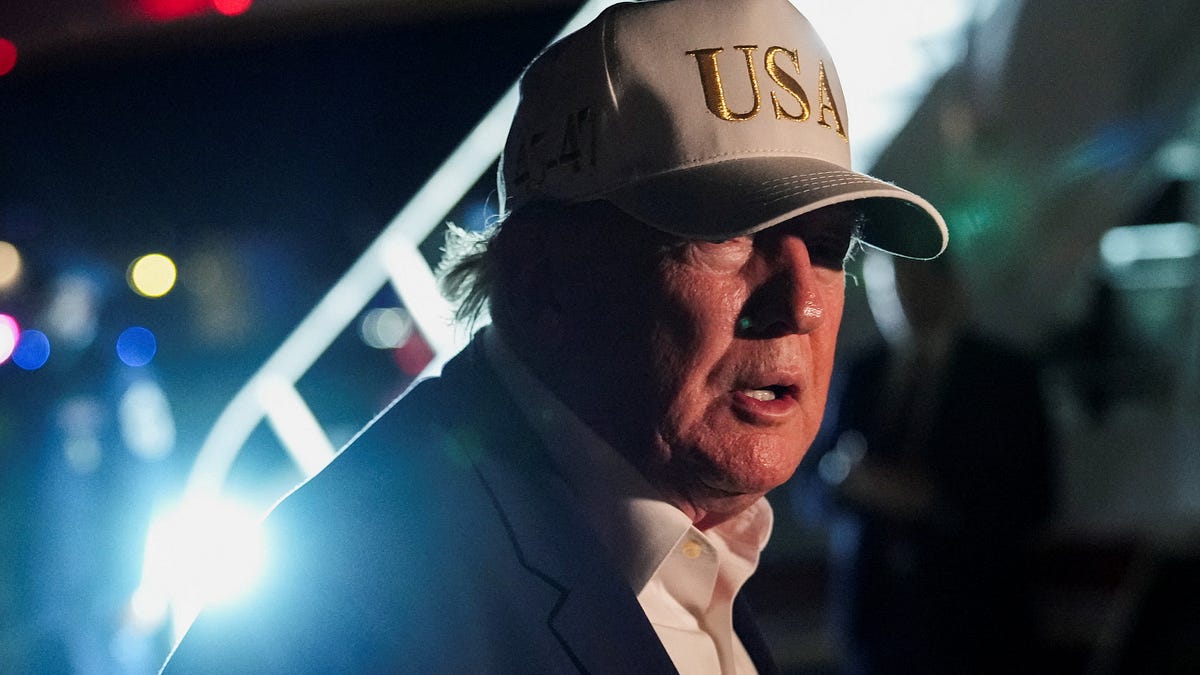
Trump's primary defense for the Republican losses was his assertion that he was not on the ballot, claiming that his campaigning efforts for other candidates would have led to different outcomes. However, critics argue that this reasoning overlooks the broader discontent among voters. Trump’s attempt to equate attendance at his rallies with widespread electoral support was seen as a flawed interpretation of the election results, similar to misjudging local sentiments based on limited interactions.
The former president also acknowledged that certain factors contributed to the Republican defeat, including public disapproval of the ongoing war with Iran and rising gas prices, which he previously managed to keep low. His candid admission of a “great dislike” for Israel among voters surprised many, indicating a deeper understanding of the electorate's sentiments that may not have aligned with his party's traditional stances.
When confronted about specific losses in key states like South Carolina and Texas, Trump referenced his past electoral successes in those regions, seemingly dismissing the relevance of recent defeats. His frustration with Vice President J.D. Vance's commentary on the election results became apparent, suggesting internal tensions within his party regarding accountability and messaging strategies.
In a surprising moment, Trump hinted at a possible acknowledgment of his role in the election's outcome, suggesting that “bad messaging” might have contributed to the Republicans' struggles. This statement, while subtle, indicates a potential shift in Trump's approach to leadership and responsibility. For those interested in a deeper analysis of Trump's words and the implications of the interview, further insights are available through subscription services that offer detailed examinations of political rhetoric and fact-checking.




Related Posts

Stay Informed With the Latest & Most Important News
Newsletter Signup
Previous Post
Next Post