Now Reading: New Top Dog
-
01
New Top Dog

Article Summary
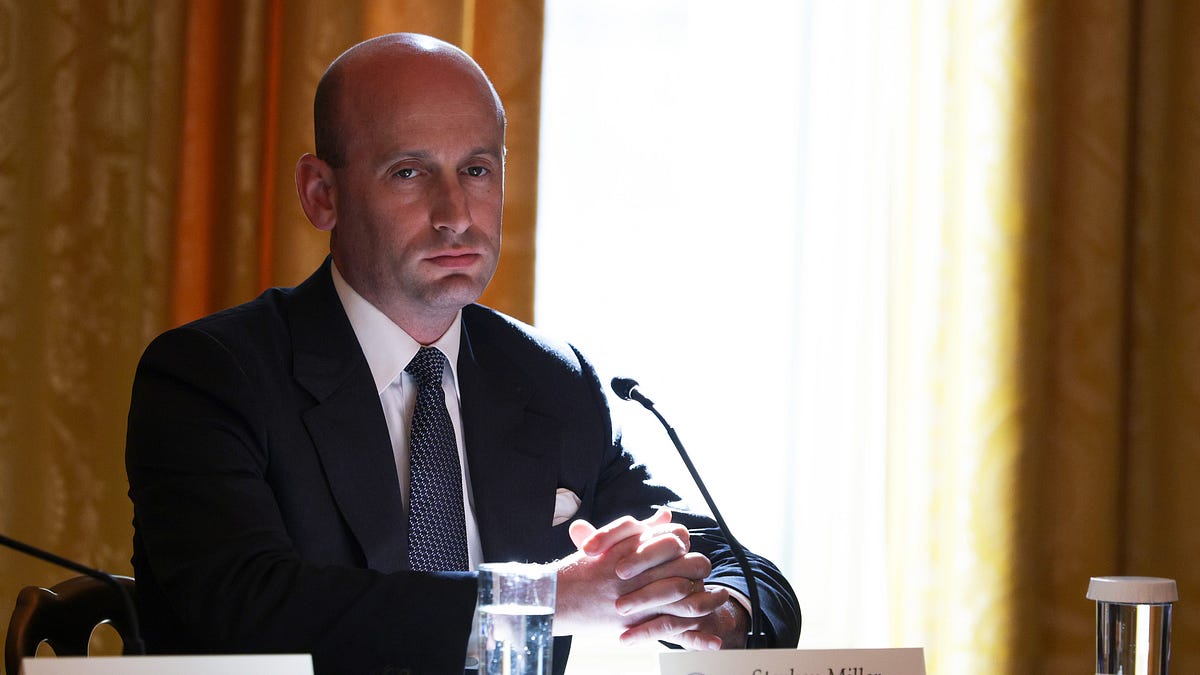
However, this optimism was short-lived. The narrative abruptly changed when President Trump announced the appointment of Stephen Miller as White House Chief of Staff, replacing Susie Wiles. Miller, a prominent figure in Trump’s first administration, is known for his hardline stance on immigration and his unwavering loyalty to Trump. His previous roles as Homeland Security Advisor and Deputy Chief of Staff for Policy highlight his influence on key policy areas, particularly those concerning immigration.
Miller's appointment signals a shift towards a more radical approach within the Trump administration, as he embodies a MAGA ideology that views the preservation of a Judeo-Christian white civilization as under threat. His beliefs center around the notion of a "great replacement," which posits that immigration and demographic changes pose existential risks to American identity and values. This perspective raises alarms regarding the potential erosion of democratic norms and the rule of law under his influence.
Rather than signaling a decline in Trump's political power, Miller's ascension suggests an intensification of the challenges facing liberal democratic principles in the U.S. The midterm elections may ultimately be remembered as a turning point, marking the beginning of a more aggressive and hardline approach from the xenophobic right. This shift raises concerns about the future of governance and civil discourse, as the administration may increasingly prioritize ideological loyalty and exclusionary policies over bipartisan cooperation.
In summary, the appointment of Stephen Miller as Chief of Staff is a crucial development that could deepen the ideological divides in American politics. It reflects a commitment to a more extreme vision of governance that poses significant threats to the rule of law and democratic values. As the country moves forward, the implications of this appointment will likely shape the political landscape and the ongoing struggle for the soul of the nation.




Related Posts



Stay Informed With the Latest & Most Important News
Newsletter Signup
Previous Post
Next Post