Now Reading: Why so quiet about giving 16-year-olds the vote?
-
01
Why so quiet about giving 16-year-olds the vote?

Article Summary
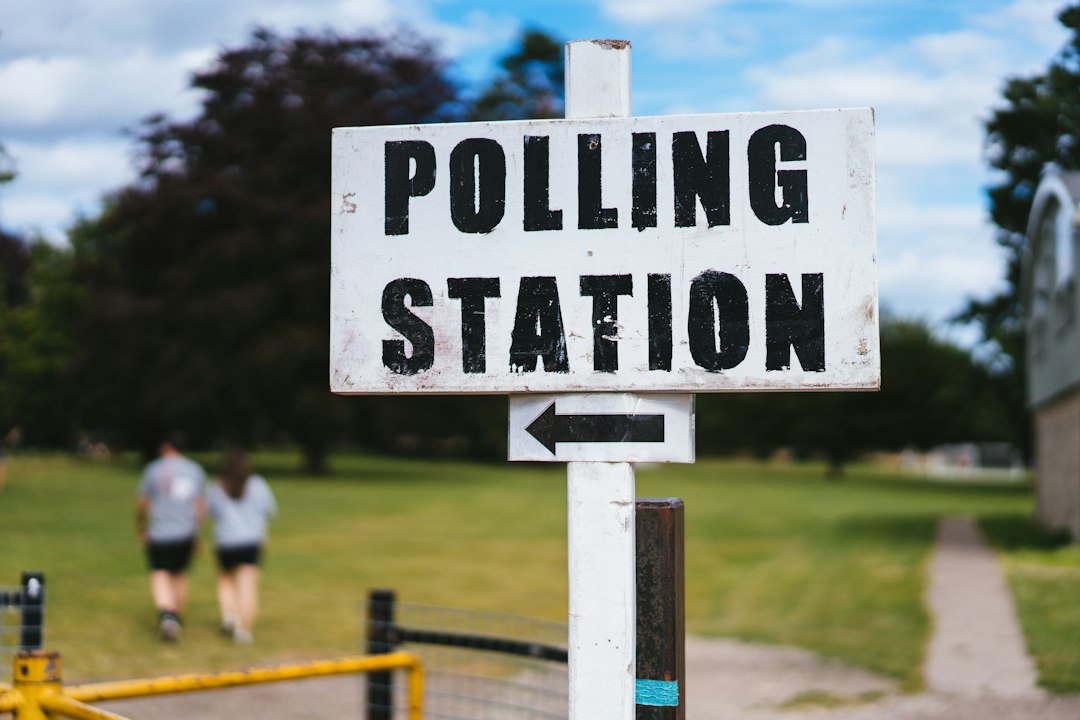
Fast forward to today, and the UK Parliament is considering a new Representation of the People Bill that would extend voting rights to 16 and 17-year-olds. This change would enfranchise over 1.5 million young people, representing the most significant expansion of voting rights since the age was lowered to 18 in 1969. The ease with which this new legislation is being discussed contrasts sharply with the historical struggles faced by suffragettes.
The recent theatrical portrayal of the suffragette movement through the musical "Sylvia" highlights the ongoing relevance of these historical struggles. The performance, infused with hip-hop and contemporary themes, serves as a reminder that the fight for voting rights has evolved but remains a significant aspect of social justice. The juxtaposition of past and present emphasizes how far society has come in terms of enfranchisement.
The current proposal to lower the voting age has sparked little debate, reflecting a shift in societal attitudes toward youth participation in democracy. Unlike the suffragettes, who faced severe opposition, today's discussions around voting rights for younger citizens seem to be more accepted. This change suggests a growing recognition of the importance of engaging young people in the democratic process.
As we celebrate the achievements of the suffragettes, it is essential to acknowledge the ongoing evolution of voting rights. The potential enfranchisement of 16 and 17-year-olds signifies not only a change in legal frameworks but also an opportunity for young voices to be heard in shaping the future of society.




Related Posts
Stay Informed With the Latest & Most Important News
Newsletter Signup
Previous Post
Next Post