Now Reading: Eight Years Of Gains, Undone In One Night
-
01
Eight Years Of Gains, Undone In One Night

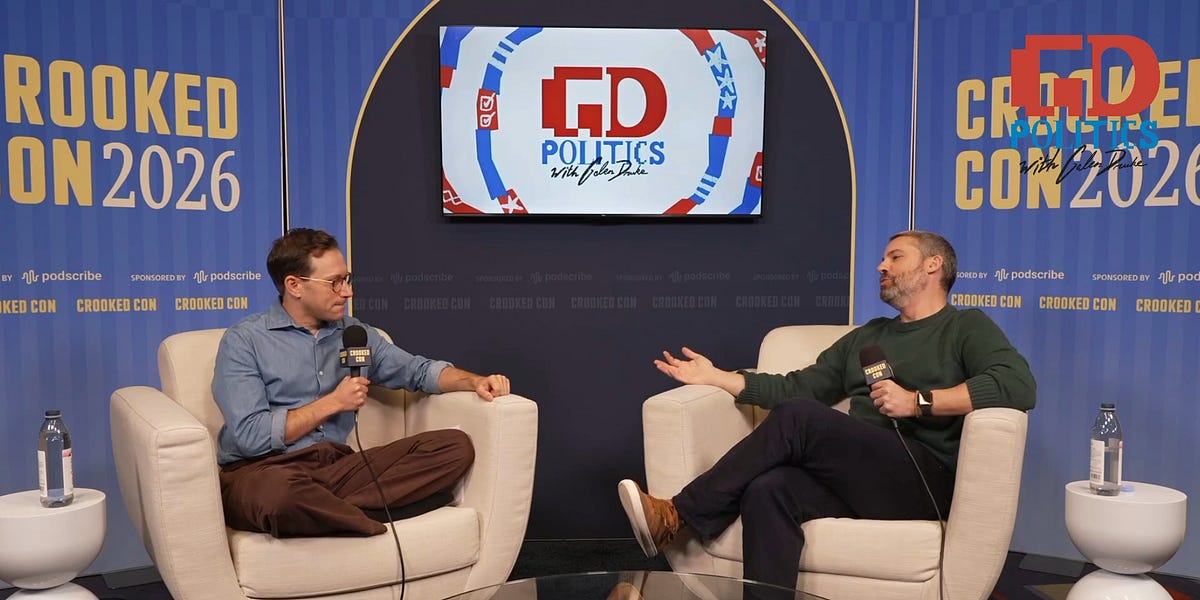
Article Summary
One notable trend in the latest election was the increased turnout among young Latina women in states like Georgia and Texas, who voted at higher rates than their young white counterparts. This change signals a significant shift in voter engagement and reflects broader demographic changes within the Latino community. The podcast delves into the factors contributing to these shifts, such as economic concerns and immigration policies, which played pivotal roles in influencing voter behavior and preferences.
The analysis also reveals that the recovery of Democratic support among Latino voters is not uniform across states like Texas and Florida, indicating that regional differences are crucial in understanding these electoral dynamics. The conversation raises important questions about the motivations behind Latino voters' willingness to change their political alignments and what factors are driving their decisions at the polls.
While the 2026 election results may suggest a return of Latino voters to the Democratic fold, both Odio and the podcast host caution against interpreting this as a permanent realignment. They emphasize the importance of recognizing that electoral preferences can fluctuate significantly and that both parties must remain vigilant in understanding and addressing the needs and concerns of this diverse voter group.
In conclusion, the conversation underscores the fluidity of Latino voter preferences and the need for both parties to engage meaningfully with this demographic. As the electorate continues to evolve, the implications of these shifts will shape future elections and political strategies, making it essential for political analysts and party leaders to remain attentive to the changing landscape of Latino voting behavior.




Related Posts


Stay Informed With the Latest & Most Important News
Newsletter Signup
Previous Post
Next Post