Now Reading: What would the Founding Fathers say about Adam Hamilton’s election?
-
01
What would the Founding Fathers say about Adam Hamilton’s election?

Article Summary
Historically, the founding fathers of the United States were cautious about the involvement of clergy in politics. Several state constitutions from the late 18th century explicitly prohibited ministers from holding public office, reflecting a belief that the spiritual duties of clergy should remain separate from political responsibilities. For instance, the North Carolina Constitution of 1776 and the New York Constitution of 1777 both articulated that ministers should not be diverted from their sacred duties by political pursuits.
Key figures involved in drafting these early constitutional prohibitions included prominent signers of the Declaration of Independence and influential leaders such as John Jay and Gouverneur Morris. Their collective decision to keep clergy out of government was rooted in a desire to maintain the integrity of both the church and the state, ensuring that spiritual leaders could fulfill their roles without the complications and potential corruption of political life.
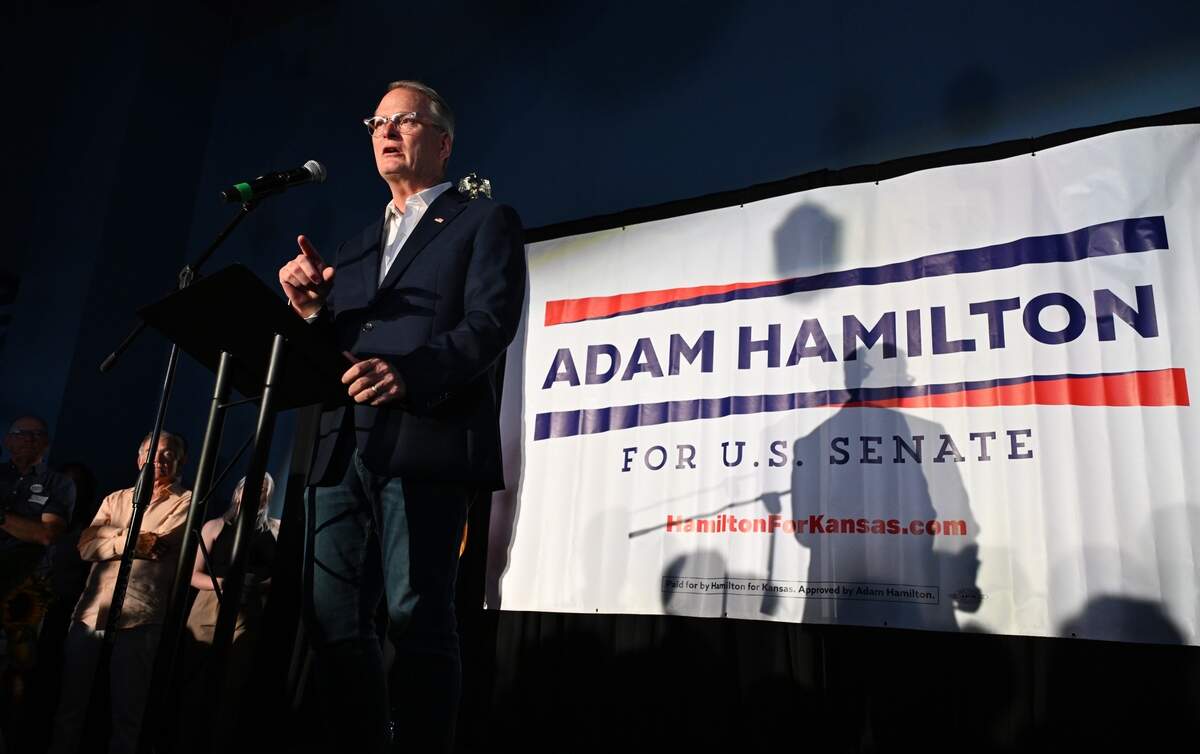
The founders' perspective underscores a fundamental principle of American democracy: the separation of church and state. This separation was deemed essential to preserve the sanctity of religious duties and to prevent the potential misuse of religious authority for political purposes. The question arises as to how modern political figures like Hamilton align with these historical views, particularly in light of their attempts to integrate faith into political platforms.
In conclusion, as Hamilton's election and rhetoric suggest a growing trend of intertwining faith with politics, it invites a reconsideration of the founding fathers' intentions regarding the role of clergy in public life. The historical context reveals a cautionary stance on this integration, prompting reflection on the implications for both governance and religious integrity in contemporary American society.




Related Posts

Stay Informed With the Latest & Most Important News
Newsletter Signup
Previous Post
Next Post