Now Reading: Utah governor on how Republicans rebuild from the ‘repudiation election’
-
01
Utah governor on how Republicans rebuild from the ‘repudiation election’

Article Summary
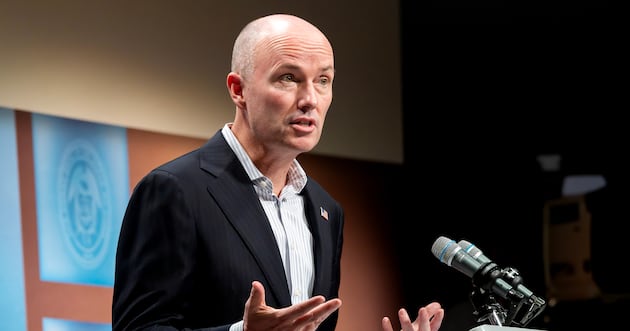
Cox noted that the Democratic Party's drastic gains in the midterms, including a 13-percentage-point advantage in the national popular vote, should not lead to overreach. He pointed out that both parties have a history of misinterpreting electoral victories as a call for radical policy changes. The governor believes that the Democrats' perceived failures, particularly among young, Black, and Hispanic voters, indicate that many cast their votes primarily to oppose former President Donald Trump rather than to endorse Democratic policies.
The Republican Party is now facing a critical juncture, with Cox stating that the severity of their losses resembles the post-Watergate era. He expressed concern that without proper introspection and adaptation, the party could face decades of recovery. Cox quoted conservative thinker Yuval Levin, who suggested that significant electoral defeats can provide valuable lessons, unlike close elections that often lead to complacency. He emphasized the need for the GOP to identify a presidential candidate for 2028 who can address public concerns in a broadly appealing manner.
Cox also mentioned the potential for Democrats to overreach in their governance, which could create opportunities for Republicans in future elections. He acknowledged that voters are increasingly weary of partisan extremes and are looking for candidates willing to work across party lines to achieve unifying solutions. However, this approach remains contentious within the Republican Party, as some members, like Senator Mike Lee, argue that the party should maintain a bold conservative identity rather than moderate its platform.
In conclusion, the GOP's recent electoral setbacks present both a challenge and an opportunity for the party. Cox believes that the first party to break the cycle of extreme partisanship and focus on pragmatic solutions will secure long-term electoral success. The internal debates within the Republican Party about how to respond to these losses reflect broader tensions about the future direction of conservatism in America.




Related Posts



Stay Informed With the Latest & Most Important News
Newsletter Signup
Previous Post
Next Post