Now Reading: Trump’s mixed signals give way to a doubling down after midterms defeat
-
01
Trump’s mixed signals give way to a doubling down after midterms defeat

Article Summary
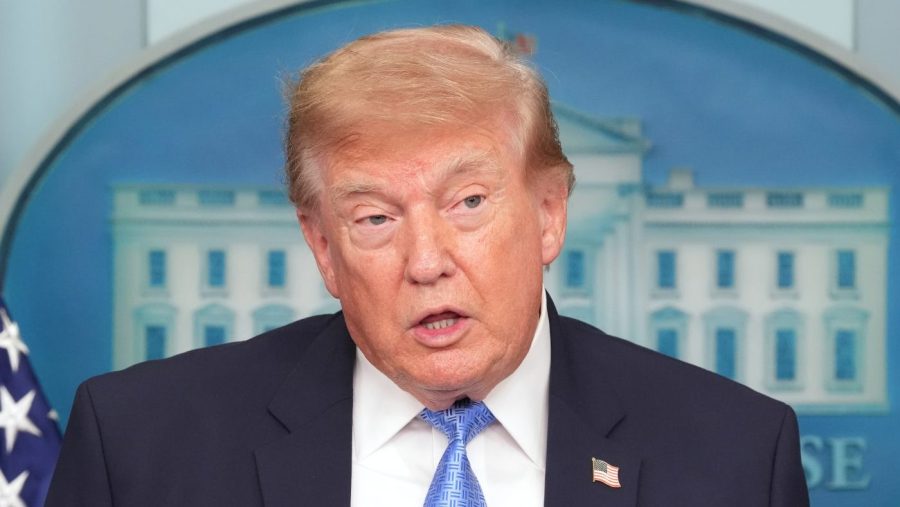
As Trump processes the implications of the midterms, he appears to be shifting from a period of ambiguity to a reaffirmation of his aggressive political tactics. This transition suggests that rather than retreating or reconsidering his strategies, he is likely to double down on his confrontational approach. Trump's tendency to engage vigorously with critics and opponents is a hallmark of his political style, and it seems he is ready to embrace this once more in the wake of the elections.
The midterm elections not only highlighted the vulnerabilities within the Republican Party but also raised questions about Trump's influence over its future direction. Despite the setbacks, Trump remains a pivotal figure in Republican politics, and his responses to the election outcomes could shape the party's trajectory moving forward. His acknowledgment of defeat, paired with a commitment to his combative rhetoric, sets the stage for potential conflicts within the party as it seeks to regroup and strategize for upcoming elections.
In the broader context, Trump's approach may reflect a desire to consolidate his base and maintain relevance within the party. By adopting a defiant stance, he aims to energize his supporters and reinforce his position as a dominant force in Republican politics. This strategy may also serve to distance himself from the electoral losses, framing them as a challenge to be overcome rather than a signal of a need for change.
Overall, Trump's response to the midterm elections encapsulates the ongoing tension within the Republican Party as it grapples with its identity and future. His blend of acknowledgment and combative rhetoric could have significant implications for both his political career and the party's prospects in the coming years. As Trump continues to navigate this complex landscape, his actions and statements will be closely watched by both supporters and critics alike, shaping the discourse within the party and beyond.




Related Posts

Stay Informed With the Latest & Most Important News
Newsletter Signup
Previous Post
Next Post