Now Reading: Scott, Hawley decline to commit to backing Thune for leader
-
01
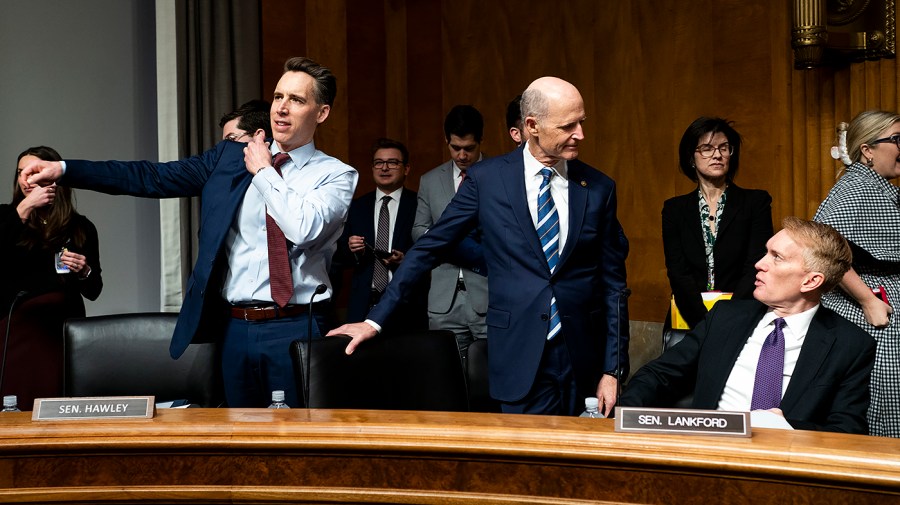
Scott, Hawley decline to commit to backing Thune for leader

Article Summary
Rick Scott, who chairs the Senate Steering Committee, has been vocal about his concerns, even signing a letter advocating for the postponement of the leadership election scheduled for Tuesday. This action underscores a desire among some Republican senators to reassess their leadership and direction following the electoral setbacks. Scott's call for delay suggests a need for reflection on the party's strategies and choices leading up to the elections.
Senator Josh Hawley has also refrained from committing to Thune's leadership, indicating a broader sentiment among certain factions of the GOP that may be seeking a change in direction. This hesitation from key conservative figures raises questions about Thune's ability to unify the party and lead effectively in the wake of recent electoral challenges. It signals a potential shift in power dynamics within the Republican Senate caucus, as members grapple with the implications of their recent electoral performance.
The internal conflict reflects a larger narrative within the Republican Party, where divisions between traditional conservatives and more populist factions have become increasingly pronounced. As the party looks to regroup and strategize for future elections, the question of leadership becomes crucial. The hesitance from Scott and Hawley may indicate a desire for a leader who aligns more closely with the party's conservative base and can effectively address the concerns raised by the midterm losses.
In conclusion, the uncertainty surrounding John Thune's re-election as Senate GOP leader encapsulates the challenges facing the Republican Party in the wake of the midterm elections. With influential senators like Rick Scott and Josh Hawley signaling their reluctance to support current leadership, the party may need to engage in a deeper evaluation of its strategies and priorities to regain momentum and address the concerns of its constituents moving forward.




Related Posts



Stay Informed With the Latest & Most Important News
Newsletter Signup
Previous Post
Next Post