Now Reading: This could put Republicans in a ‘precarious’ spot for 2028
-
01
This could put Republicans in a ‘precarious’ spot for 2028


Article Summary
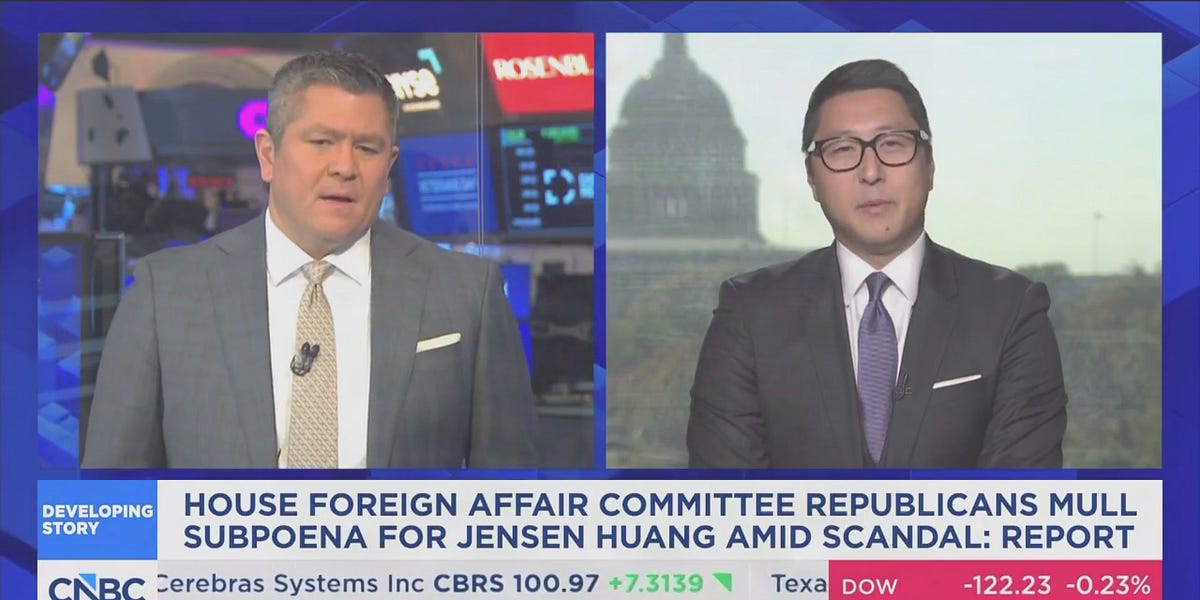
Rothman emphasized the importance of a strong border security framework, noting that Trump's administration had made strides in this area, which resonated with a significant portion of the electorate. He pointed out that Trump's tough stance on immigration has been a defining feature of his political identity and has galvanized support among his base. This focus on border security serves not only as a deterrent to illegal immigration but also as a rallying point for voters who prioritize law and order.
Ryun contributed to the conversation by discussing the implications of Trump's immigration policies on the broader Republican agenda. He argued that the party must continue to embrace a hardline approach to immigration to maintain its core support. Ryun also highlighted the potential risks of moving away from these policies, suggesting that any perceived softness could alienate Trump’s voter base, which remains deeply invested in the issue of immigration.
The discussion also touched on the political ramifications of immigration policy as the 2028 presidential election approaches. Both Rothman and Ryun acknowledged that immigration will remain a pivotal issue for candidates seeking the Republican nomination. They suggested that candidates who fail to address these concerns adequately may struggle to connect with voters, particularly those who view immigration as a critical threat to national security and economic stability.
In conclusion, Rothman and Ryun's conversation underscored the enduring significance of immigration policy in American politics, particularly within the Republican Party. As the political landscape evolves leading up to the next presidential election, the strategies employed by candidates regarding immigration will likely play a crucial role in shaping voter sentiment and influencing electoral outcomes.




Related Posts

Stay Informed With the Latest & Most Important News
Newsletter Signup
Previous Post
Next Post