Now Reading: JD Vance and the VP curse
-
01
JD Vance and the VP curse

Article Summary
The episode also delves into the implications of the Republican primary dynamics, particularly for DeSantis, who has gained traction by balancing a MAGA appeal with a record of electoral success. However, his ability to distance himself from Trump's unpopularity raises questions about the sustainability of his support. The discussion notes that while Vance and Rubio initially appeared strong contenders, their combined chances have dropped significantly, indicating a more open field than previously thought. This uncertainty reflects broader concerns within the GOP regarding the viability of candidates who are perceived as too closely aligned with Trump.
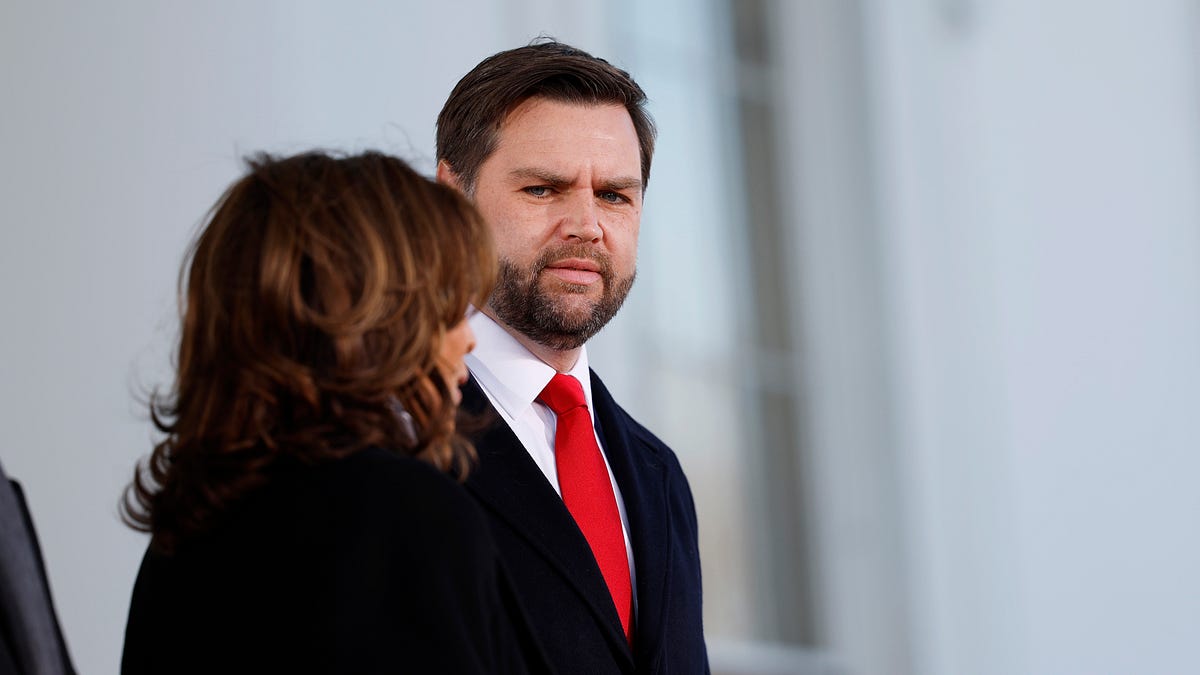
A key theme is the historical context of vice presidents running for the presidency after serving under unpopular administrations. The episode reviews past examples, illustrating that while some vice presidents have successfully gained their party's nomination, few have won general elections. This pattern underscores the difficulties faced by Vance, who, despite winning his Senate race, has not demonstrated strong electoral prowess compared to other Republicans. The narrative suggests that the modern political environment, characterized by intense partisan loyalty, complicates the ability of vice presidents to carve out independent identities separate from their predecessors.
The episode also touches on the broader challenges facing the Republican Party, including Trump's declining popularity, ongoing scandals, and the potential for economic issues to influence voter sentiment. With the GOP struggling to win elections when Trump is not on the ballot, the episode raises the question of whether candidates like Vance can successfully navigate the complexities of their association with the former president. Historical precedents suggest that vice presidents often struggle to break free from the legacies of their administrations, making Vance's path to the nomination and potential presidency a daunting prospect.
In conclusion, the episode of "Still Counting" provides a nuanced analysis of the current Republican primary landscape, particularly in light of the challenges faced by vice presidents under unpopular administrations. As the primary season approaches, the dynamics among candidates like Vance, Rubio, and DeSantis will continue to evolve, influenced by both voter sentiment and the broader political climate. The historical context serves as a reminder of the difficulties inherent in seeking higher office while tethered to an unpopular predecessor, suggesting that the road ahead may be fraught with obstacles for any candidate emerging from this political environment.




Related Posts
Stay Informed With the Latest & Most Important News
Newsletter Signup
Previous Post
Next Post