Now Reading: The Midterms, A Week Later
-
01
The Midterms, A Week Later

Article Summary
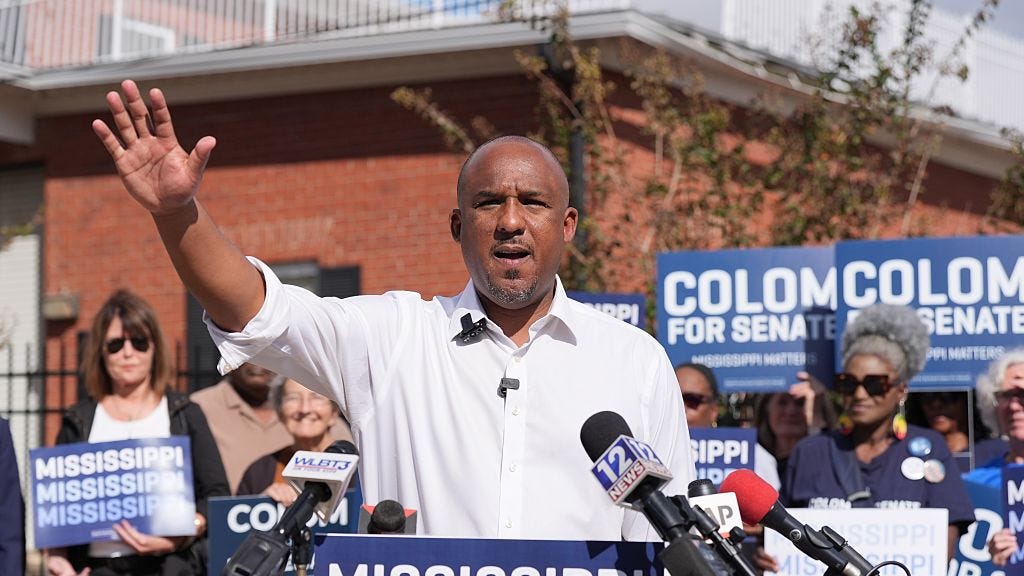
Conversely, the Democratic Party has experienced its own struggles with messaging, particularly around cultural issues related to race, gender, and sexuality. While they had notable successes in past elections, there was a period when their focus seemed to shift towards more esoteric and polarizing topics, potentially alienating moderate voters. Recent elections have seen a shift in tone among Democratic candidates, particularly regarding transgender rights, suggesting a recognition of the need to appeal to a broader audience. This shift indicates a pragmatic approach, as many candidates have moved towards more moderate positions on contentious issues, perhaps in response to the changing political landscape.
Despite concerns about the Democrats potentially squandering their electoral gains, it appears that they are currently positioned to capitalize on their success. The party has an opportunity to broaden its appeal by embracing a more inclusive and moderate platform, especially in light of their recent electoral victories in traditionally conservative areas. This suggests a potential realignment within the party, moving away from a narrow focus on progressive ideals towards a more centrist approach that could attract a wider base of voters, including those with conservative views on certain issues.
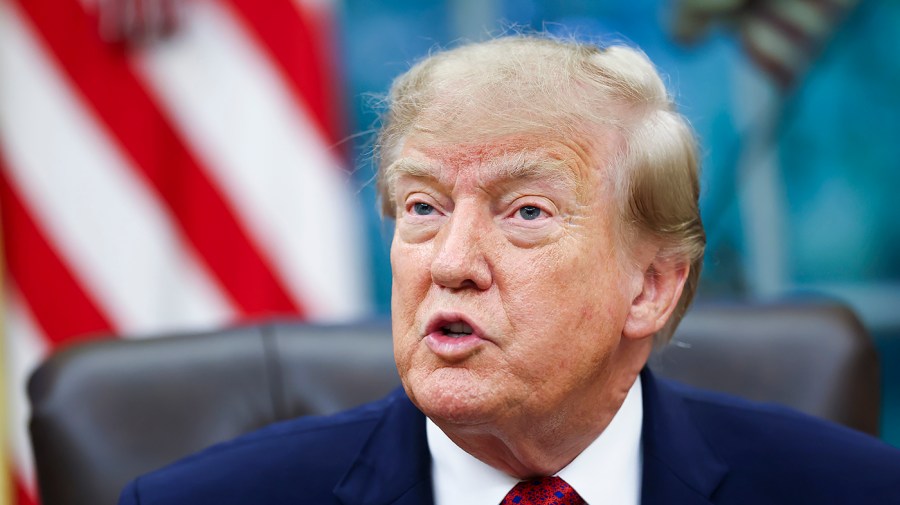
The Republican Party, however, faces a more challenging path forward. Although they attempted to frame the election around "woke" culture, this strategy did not resonate with voters as they had hoped. The party's strong alignment with Trump and his controversial policies may hinder their ability to attract a diverse voter base in the future. The potential for the GOP to establish itself as a multiracial, working-class party is complicated by the lingering influence of Trump and the extreme factions within the party. This internal conflict may limit their electoral prospects and ability to regroup effectively post-election.
Overall, the current political climate presents a unique opportunity for Democrats to solidify their gains and expand their electoral coalition. However, they must navigate the challenges of internal divisions and the temptation to revert to more radical positions. With the potential for a generational shift in the party's composition and priorities, the Democrats have the chance to redefine their identity and appeal to a broader range of voters, while Republicans must contend with the fallout of their recent electoral losses and the enduring influence of Trump within their ranks.




Related Posts


Stay Informed With the Latest & Most Important News
Newsletter Signup
Previous Post
Next Post