Now Reading: Will Samuel Alito Retire Before Democrats Take Over?
-
01
Will Samuel Alito Retire Before Democrats Take Over?

Article Summary
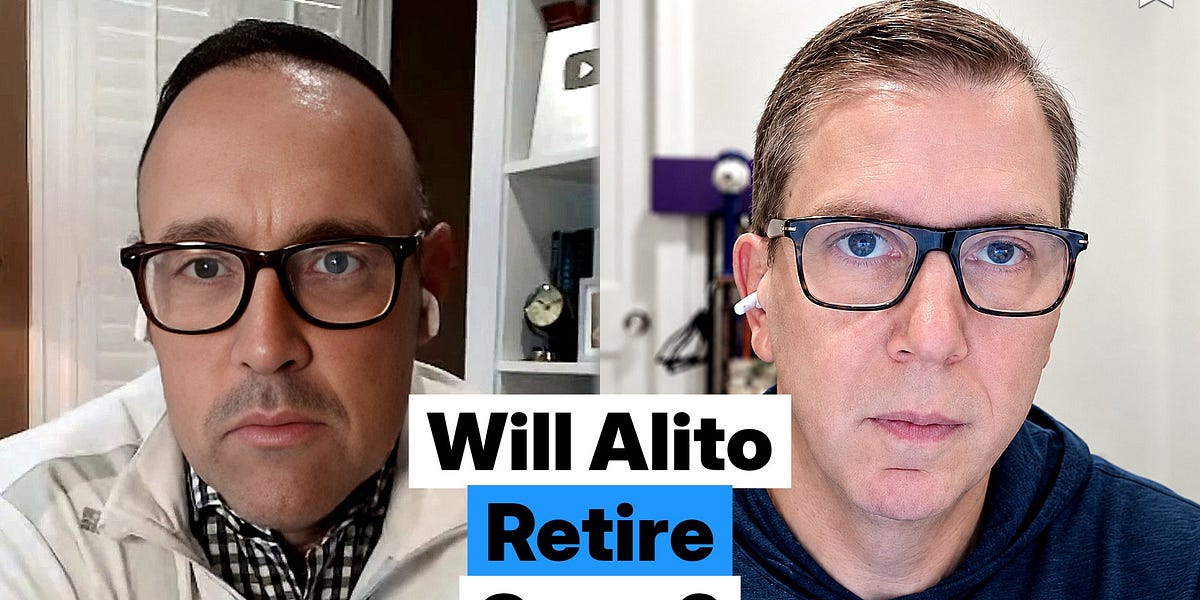
Vladeck emphasizes that if Democrats secure a majority in both chambers and the presidency in 2028, they could have the power to implement substantial changes to the Supreme Court, potentially undermining Alito's legacy. This understanding may deter him from making a hasty decision to retire, as he likely does not want to provoke further partisan conflict or provide Democrats with ammunition for reform. The discussion also touches on the broader implications of the Supreme Court's relationship with the Trump administration and how upcoming midterm elections could influence the court's political dynamics.
The conversation also delves into the topic of court reform and accountability, highlighting Congress's existing powers over the judiciary, including budget control and oversight. Many citizens are unaware of these powers, which could play a crucial role in shaping the future of the Supreme Court. Additionally, the importance of lower courts is underscored, particularly in light of the challenges faced by judges during Trump's presidency. The potential for Democrats to alleviate some of this pressure in the coming years is discussed.
Moreover, the podcast touches on the anticipated legal battles that the Supreme Court may face in the current session, including issues related to congressional subpoenas and federal spending. Vladeck speculates on how the court's agenda may evolve and the implications for executive power, particularly in the context of ongoing litigation involving Trump. The discussion emphasizes the need for accountability within the Supreme Court and explores possible reforms that could address its current challenges.
Finally, Vladeck shares insights from his forthcoming book, "The Court We Need," which aims to address the deeper issues facing the Supreme Court and propose solutions for reform. The conversation serves as a reminder of the significant role the judiciary plays in American politics and the potential consequences of political maneuvering within the courts. As the landscape shifts with upcoming elections, the relationship between the Supreme Court and Congress remains a crucial area of focus for both legal experts and the public.




Related Posts

Stay Informed With the Latest & Most Important News
Newsletter Signup
Previous Post
Next Post