
Now Reading: Senate Democrats clash over filibuster as progressives eye big agenda
-
01
Senate Democrats clash over filibuster as progressives eye big agenda

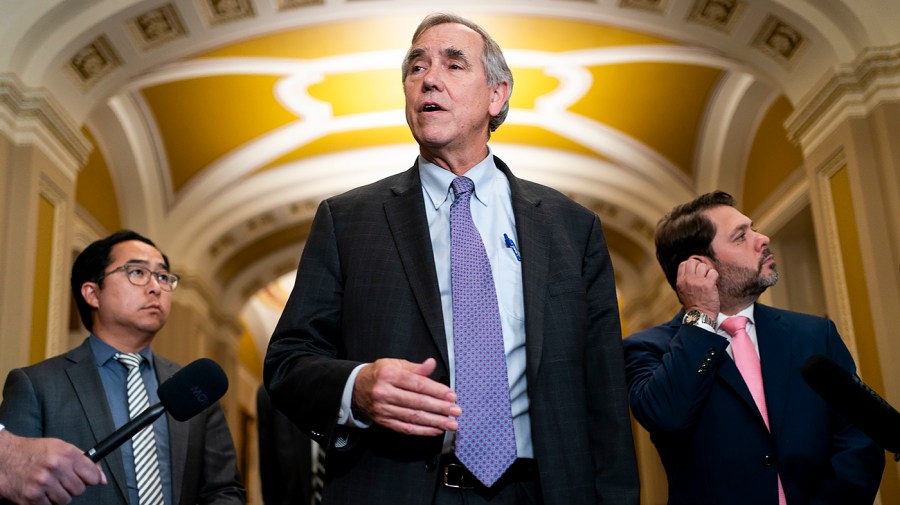
Article Summary
On the other hand, centrist Democrats express concern that altering or abolishing the filibuster could have detrimental long-term consequences. They warn that such a move might lead to increased partisan conflict and instability, as future majorities could similarly dismantle protections that safeguard minority party rights. This faction believes that maintaining the filibuster could encourage compromise and bipartisanship, which are essential for effective governance.
The divide within the party reflects broader ideological differences about how to approach governance and the role of the Senate. Progressives are frustrated by what they perceive as a lack of urgency in addressing pressing issues, while centrists are wary of the potential backlash from voters who may view the elimination of the filibuster as an overreach of power. This internal conflict raises questions about the Democratic Party's strategy moving forward, particularly in an environment where they aim to solidify their legislative achievements.
In response to the growing pressure from progressives, some Democratic leaders have suggested exploring alternatives to the filibuster, such as reforming the rules to make it more difficult to use. This could involve measures like requiring senators to physically hold the floor to maintain a filibuster, which would demand more commitment from those opposing legislation. However, any changes to the filibuster would require a delicate balance, as they must consider the potential fallout from both moderates and progressives within the party.
As the Senate prepares for a new session, the outcome of this debate will be pivotal. The direction the Democrats choose to take on the filibuster could shape not only their legislative agenda but also their political fortunes in the upcoming elections. The challenge lies in finding a consensus that allows for effective governance while also addressing the demands of the party's more progressive base. The resolution of this conflict will likely have lasting implications for the Senate's operational dynamics and the Democratic Party's identity in the years to come.




Related Posts


Stay Informed With the Latest & Most Important News
Newsletter Signup
Previous Post
Next Post