Now Reading: Nvidia board reinstates Jensen Huang as CEO
-
01
Nvidia board reinstates Jensen Huang as CEO

Article Summary
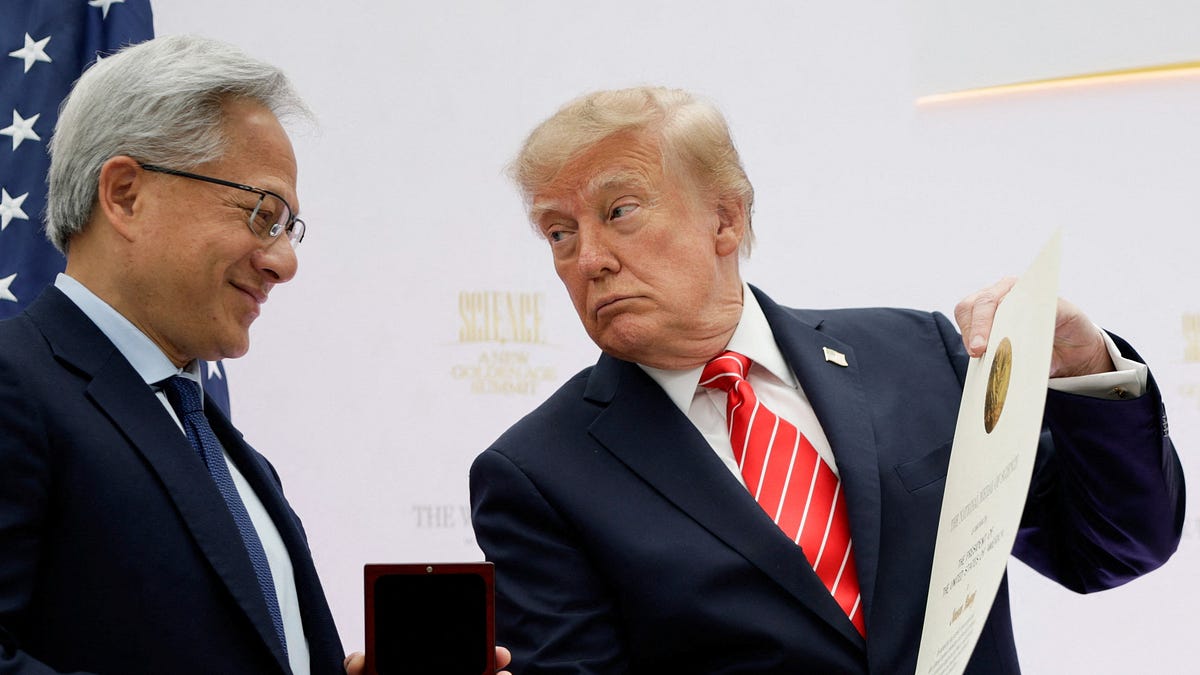
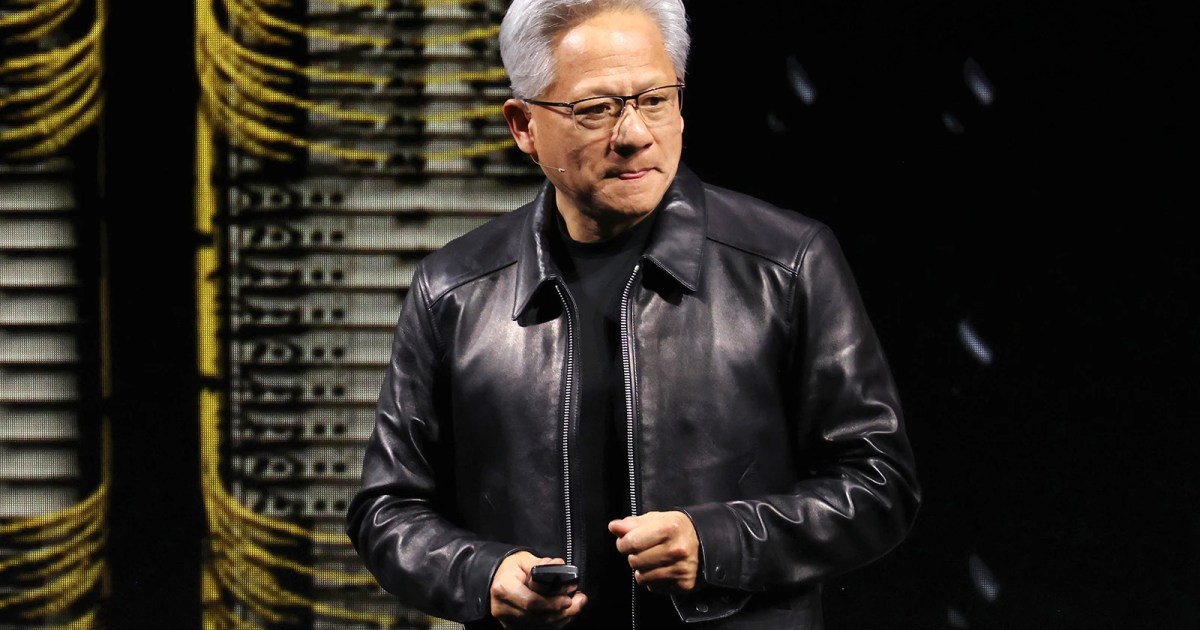
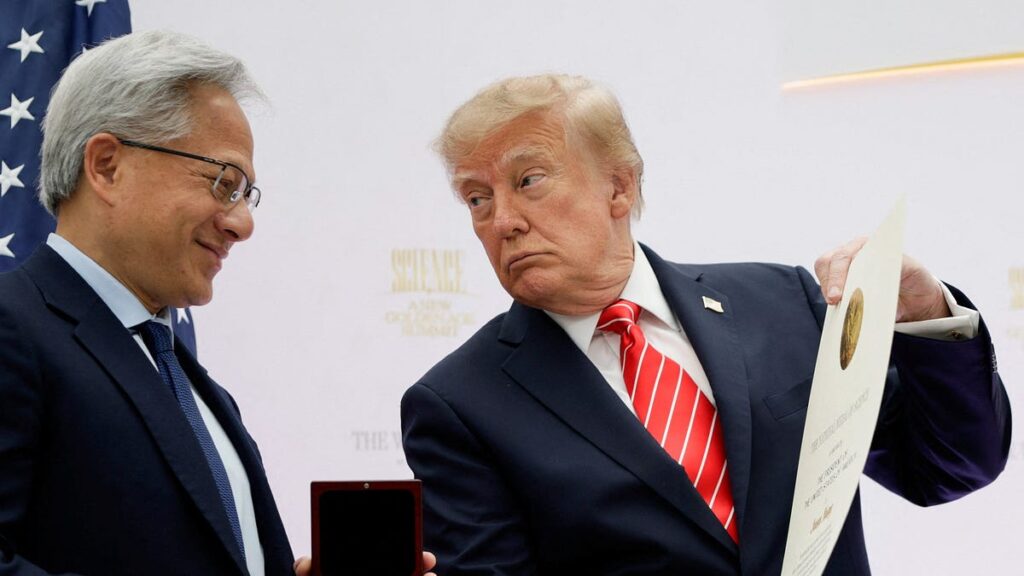
In a phone interview, Trump expressed his strong support for Huang, emphasizing that he believed the CEO's reinstatement was essential for Nvidia and the American economy. He dismissed the scrutiny surrounding Huang's personal life, suggesting that the media's focus on the allegations was driven more by sensationalism than genuine national security concerns. Trump's comments came shortly after Nvidia's board announced Huang's immediate return, indicating they had received input from senior U.S. government officials who assured them Huang posed no security risk.
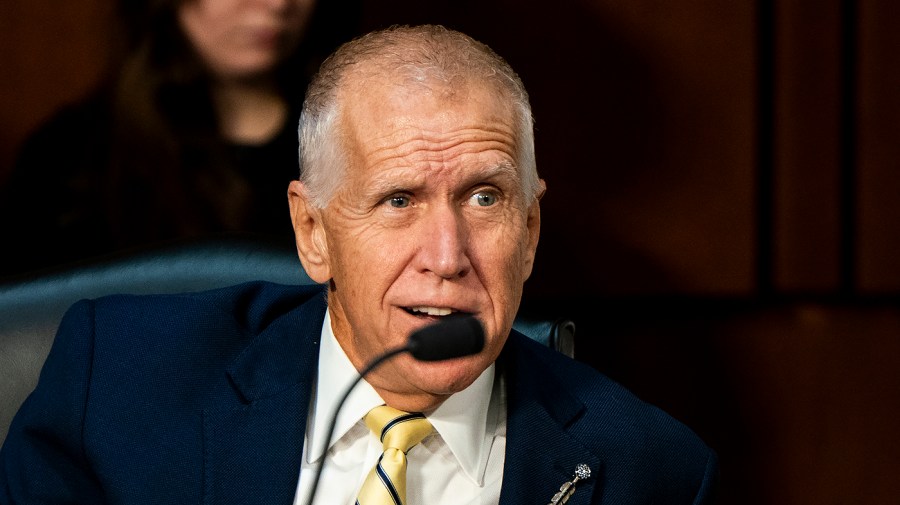
Despite Trump's backing, the decision to reinstate Huang was met with criticism from some Republican lawmakers. Senator John Cornyn and Representative Don Bacon expressed their disbelief and concern over Huang's alleged ties to a Chinese spy, arguing that Nvidia should have distanced itself from him and that Congress needed to investigate the approval of high-end chip sales to China. These sentiments reflect a broader unease within parts of the Republican party regarding national security implications related to Huang's leadership.
Meanwhile, Nvidia's stock surged by over 30% following the announcement of Huang's reinstatement, indicating strong market confidence in his leadership. Trump's involvement in the decision-making process was notable, as he claimed to have had representation on the board, though he refrained from disclosing specific names. Huang is expected to testify before Congress next month, which may further illuminate the circumstances surrounding his reinstatement and the implications for Nvidia's operations and U.S.-China relations.
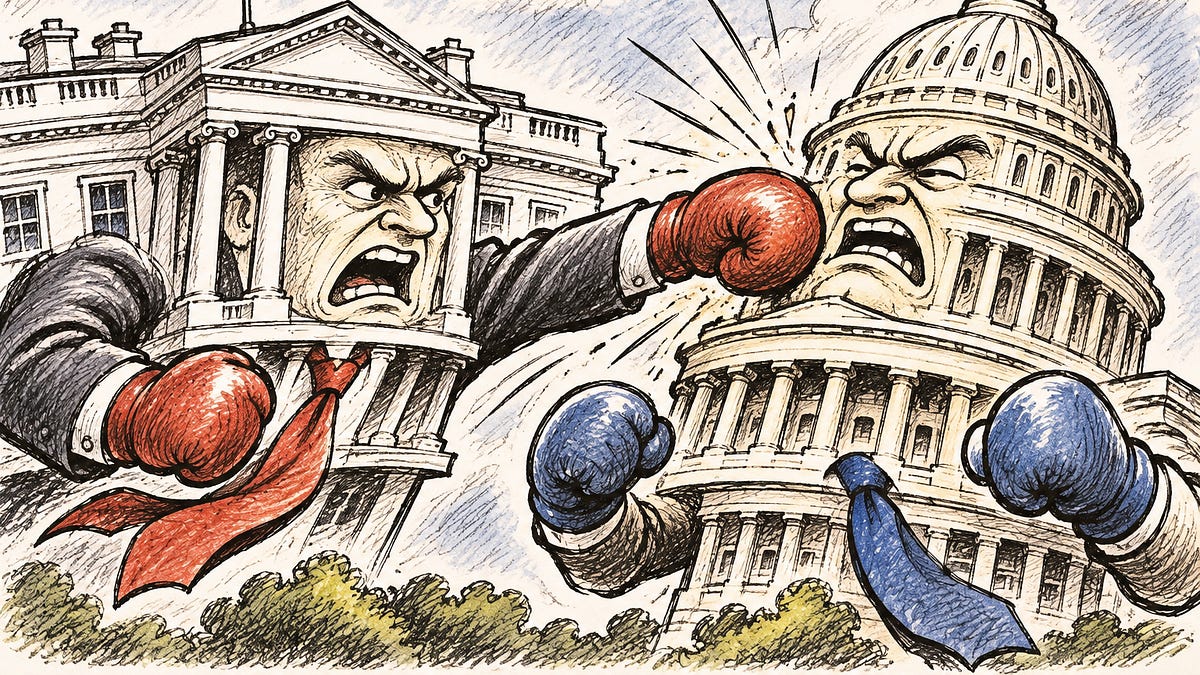
As the situation develops, it highlights the intricate interplay between corporate leadership, national security concerns, and political influence. Huang's return to Nvidia may have significant ramifications not only for the company but also for the broader technology sector and U.S. economic interests in the face of growing competition from China.




Related Posts
Stay Informed With the Latest & Most Important News
Newsletter Signup
Previous Post
Next Post