Now Reading: Jensen Huang Is Back. Trump Got What He Wanted
-
01
Jensen Huang Is Back. Trump Got What He Wanted

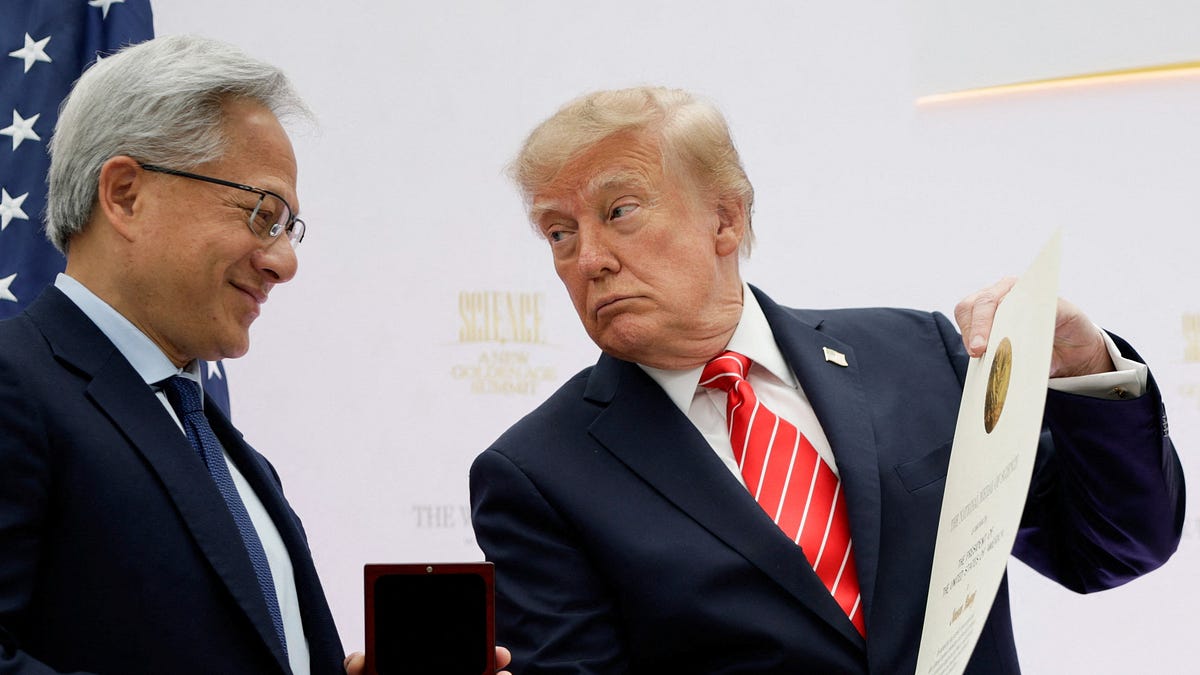
Article Summary
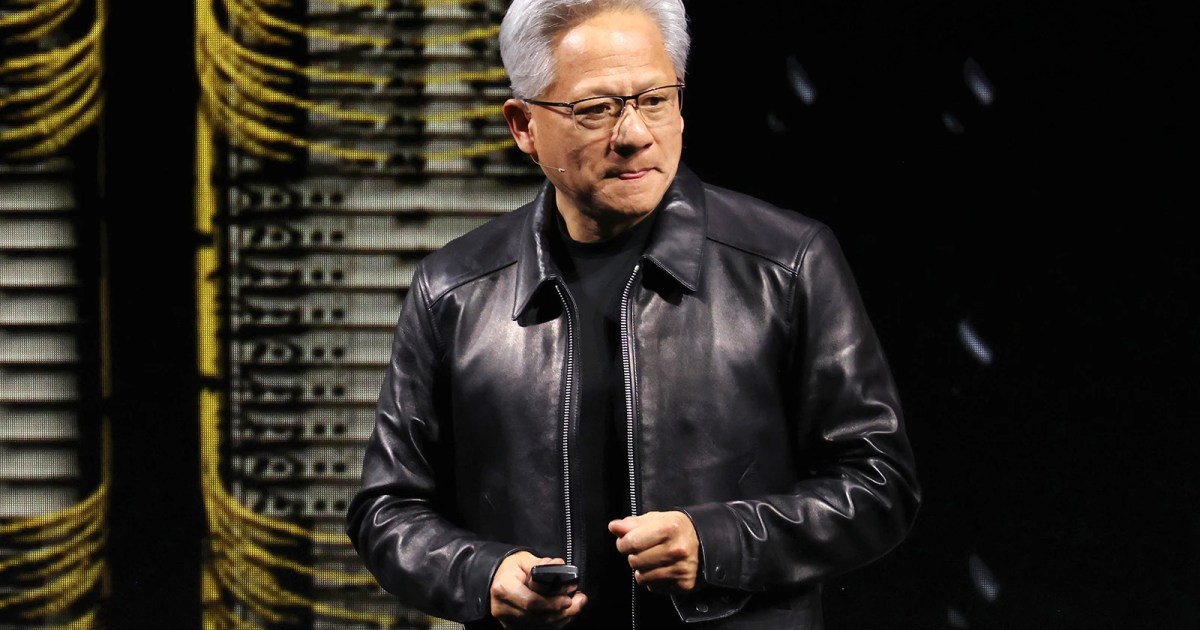
The Nvidia board's announcement revealed that their decision was influenced by input from senior U.S. government officials, suggesting that Huang's return was deemed safe for national security. This reliance on governmental feedback raises questions about the interplay between corporate governance and political pressure, especially in an era where the lines between business and politics are increasingly blurred.
Critics may view this reinstatement as a troubling sign of how corporate interests can override public safety and security concerns. Huang's leadership at Nvidia is significant given the company's pivotal role in the tech industry and its contributions to advancements in artificial intelligence and computing. The board's confidence in his return, despite potential risks, reflects a broader trend of prioritizing corporate leadership stability over caution regarding national security.
This situation prompts a discussion about the implications of such corporate decisions in the context of Trump's America, where political affiliations can potentially influence business operations. The Nvidia case exemplifies how corporate boards may navigate complex relationships with government entities, balancing their operational needs against the backdrop of national security.
Ultimately, the reinstatement of Jensen Huang at Nvidia serves as a microcosm of the current political climate, revealing the complexities and challenges of corporate governance in an environment shaped by political influence and national security considerations.




Related Posts
Stay Informed With the Latest & Most Important News
Newsletter Signup
Previous Post
Next Post