Now Reading: Shelby Steele On ‘White Guilt’ & The West
-
01
Shelby Steele On ‘White Guilt’ & The West

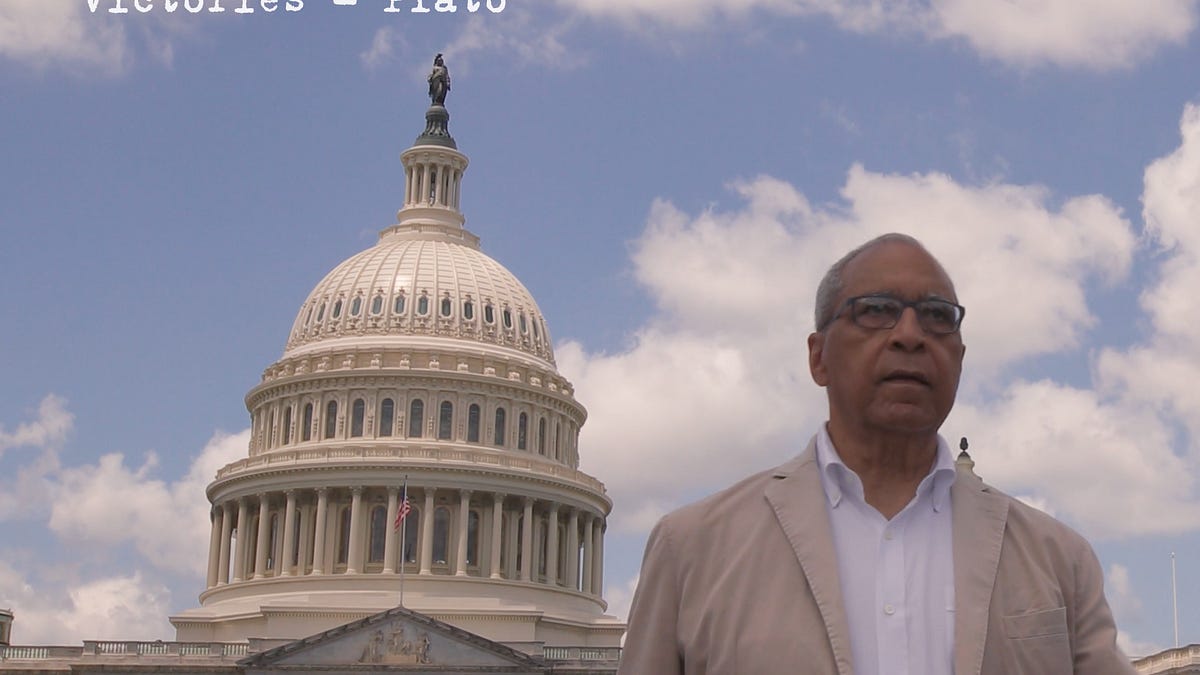
Article Summary
Shelby Steele, a prominent black conservative scholar, has long critiqued the corrosive effects of white guilt on Western civilization. In a new documentary directed by his son Eli Steele, he argues that this guilt manifests as a fear of being labeled racist, which in turn empowers those who seek to undermine Western values. The film begins by contextualizing Hamas's actions post-October 7 as an example of how white guilt can be weaponized to absolve perpetrators of their crimes while framing them as heroic figures. Steele's reflections on his own journey from a young man filled with rage over historical injustices to a more nuanced understanding of freedom underscore the complexity of racial dynamics in America.
Throughout the documentary, Steele recounts pivotal moments in his life that shaped his perspective on race and identity. He recalls a college protest where he recognized the power of white guilt when institutional leaders capitulated to demands not out of genuine concern for justice, but to reclaim their moral authority. This realization catalyzed a deeper understanding of how both black and white communities navigate their identities within the context of historical narratives. The film also highlights how the civil rights movement's victories did not necessarily translate into a collective sense of triumph for black Americans, but rather a lingering resentment and confusion about freedom and responsibility.
Steele draws parallels between high-profile cases like O.J. Simpson's trial and the historical exoneration of racially motivated crimes, suggesting that both instances reflect a societal bargain where racial identity supersedes justice. He critiques the modern reliance on identity politics, which has led to a tribalism that complicates genuine conversations about race and accountability. This tribalism, according to Steele, is a symptom of a deeper malaise within a civilization that has lost faith in its foundational values, leading to a distorted sense of innocence based solely on skin color.
The documentary concludes with a stark warning about the implications of unchecked white guilt and the rise of identity politics. Steele posits that as historical guilt overshadows present realities, society risks descending into a cycle of victimization and tribalism. The film suggests that the current climate, marked by a yearning for innocence and moral superiority, could lead to a backlash where individuals embrace identity politics as a means of reclaiming power. Ultimately, Steele's message resonates with the idea that a civilization grounded in shared values must confront its fallibility rather than succumb to the paralyzing effects of guilt and division.




Related Posts

Stay Informed With the Latest & Most Important News
Newsletter Signup
Previous Post
Next Post