Now Reading: Iran Regime Says It Could Turn White House to ‘Dust’
-
01
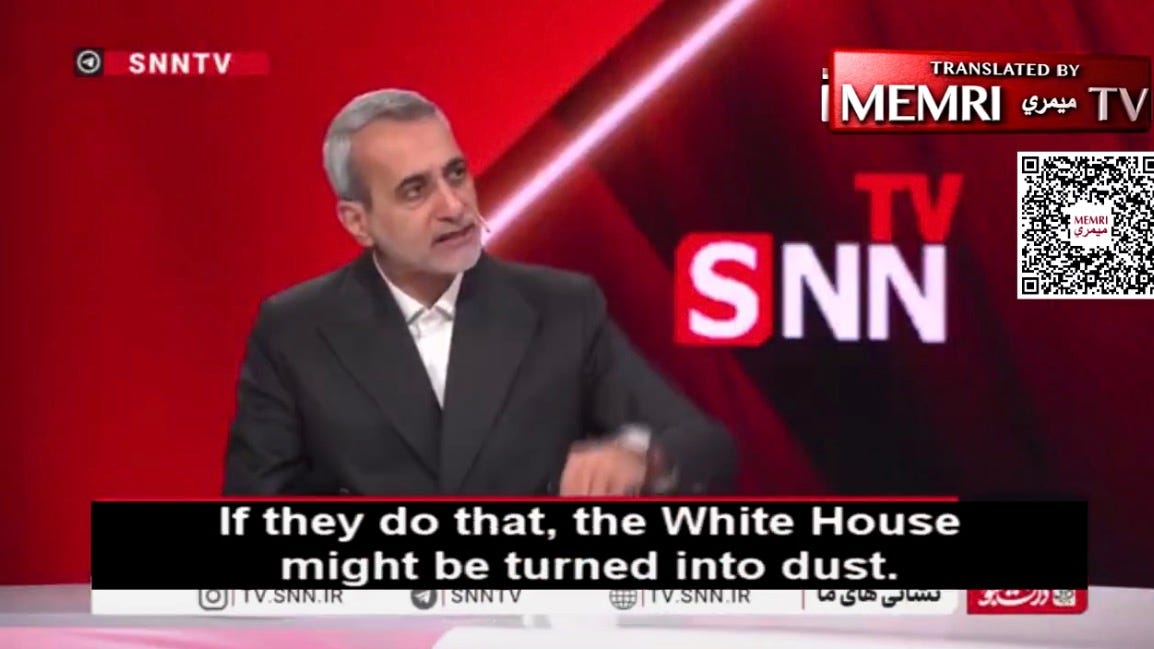
Iran Regime Says It Could Turn White House to ‘Dust’

Article Summary
The situation has escalated to the point where the Iranian leadership is reportedly preparing to execute young protesters advocating for freedom, further indicating the regime's oppressive nature. The narrative suggests that the opportunity for a diplomatic solution has passed, particularly during Donald Trump's presidency, when it is argued that Israel should have acted decisively to eliminate key Iranian leaders. The text asserts that the Iranian regime is committed to a path of conflict, with no intention of negotiating peace, thus framing the U.S. response as one of self-defense against an existential threat.
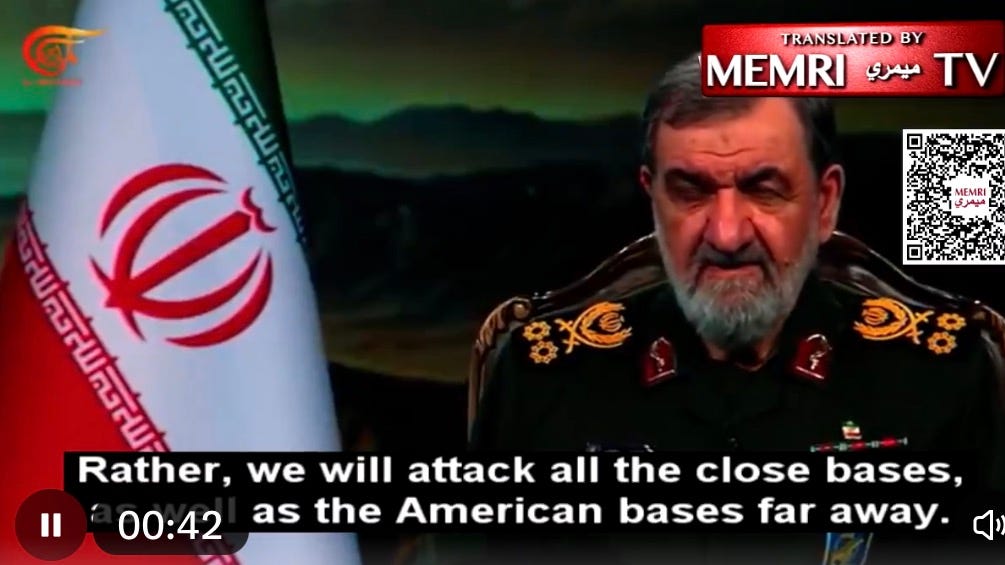
Recent events highlight the tangible dangers posed by Iranian-backed terrorist groups, which have been involved in numerous jihadist attacks. These groups have attempted to target U.S. interests, such as a UK military base used by Americans, yet have faced minimal repercussions from local authorities. The Iranian parliament's rhetoric often includes extreme threats, but these statements are believed to mask serious intentions, raising alarms about the regime's capabilities and resolve.
Further complicating matters, public threats against American officials have become increasingly credible, leading to heightened security measures for individuals like Treasury Secretary Scott Bessent and Secretary of State Marco Rubio. The Iranian regime's military, particularly the Islamic Revolutionary Guard Corps (IRGC), has openly rejected proposals for denuclearization, reinforcing the perception that Iran is not interested in de-escalation but rather continues to pursue its nuclear ambitions unabated.
In conclusion, the text calls for a reassessment of U.S. strategy towards Iran, emphasizing the necessity of taking decisive action against what it describes as genocidal terrorists. It argues that the only viable solution to the ongoing conflict is the elimination of the Iranian regime, framing this as the only path to ending the war that Iran has instigated against the United States.




Related Posts


Stay Informed With the Latest & Most Important News
Newsletter Signup
Previous Post
Next Post