Now Reading: Outside money poured into Utah this year. Republicans are now rethinking campaign finance rules
-
01
Outside money poured into Utah this year. Republicans are now rethinking campaign finance rules
Outside money poured into Utah this year. Republicans are now rethinking campaign finance rules

Article Summary
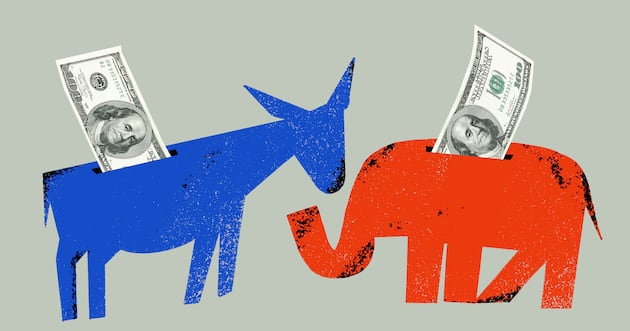
In the past year, significant financial contributions from out-of-state entities have influenced key political outcomes in Utah. For instance, a $4.35 million infusion from a MAGA-aligned organization allowed Republicans to gather enough signatures to put a redistricting law on the ballot, only for a subsequent $260,000 campaign to reverse that momentum. Similarly, a Democratic fundraising committee spent over $3 million to sway voters against a legislative proposal, demonstrating the power of external funding in shaping public opinion and electoral outcomes. These examples highlight the growing concern among Utah Republican leaders about the impact of outside money on state politics and their desire to rebuild trust with constituents.
Axson's analysis of the recent electoral defeats reveals a need for the GOP to adapt to a changing political landscape, particularly in the realm of social media and negative campaigning. He attributes the party’s struggles to an inability to effectively communicate their successes and counteract the negative narratives propagated by opponents. He is calling for a more organized approach to campaign strategy, including increased volunteer efforts and collaboration among conservative groups to replicate the successful tactics employed by Democrats. This includes a push for better funding and infrastructure to support GOP candidates in future elections.
The results of the midterms have ignited a renewed interest in campaign finance reform among Republican leaders, with an emphasis on enhancing disclosure rules for nonprofits involved in political activities. House Speaker Schultz is advocating for legislation that would require nonprofits to disclose their funding sources and the purposes of their expenditures, aiming to create a more transparent political environment. This approach seeks to balance the scales between the two parties and address the growing concern about the influence of out-of-state money in Utah politics, which has been a point of contention in recent elections.
Despite the push for reform, some experts caution against overemphasizing the role of money in electoral outcomes. They argue that while financial contributions can influence voter awareness and engagement, they cannot replace the importance of strong messaging and candidate appeal. As Utah navigates the complexities of campaign finance reform, the ongoing debate will likely focus on finding a balance between transparency and the rights of donors, ensuring that the state's political landscape reflects the values and interests of its residents rather than external influences.




Related Posts

Stay Informed With the Latest & Most Important News
Newsletter Signup
Previous Post
Next Post
Previous Post
Next Post