Now Reading: Fighters vs. uniters and the big blue future
-
01
Fighters vs. uniters and the big blue future

Article Summary
Throughout the recent election cycle, many candidates showcased their communication skills, blending the fighter and uniter styles in innovative ways. For instance, James Talarico effectively navigated the political landscape by combining assertive rhetoric with relatable messaging, while candidates like South Carolina Senator-elect Annie Andrews utilized their personal narratives to connect with voters. This versatility is crucial as Democrats aim to appeal to a wide range of constituents, including those in traditionally conservative states, where candidates must resonate with local concerns while maintaining broader party values.
The Democratic Party's historical role as a "big tent" coalition allows for a diverse representation of interests, from labor groups to various ethnic communities. This diversity has been a strength in state and local elections, enabling Democrats to curate candidates that reflect the unique needs of their districts. However, this complexity can also pose challenges, particularly when candidates must balance progressive ideals with the more moderate preferences of a significant portion of the electorate. The recent success of Democrats in traditionally red states suggests that candidates who address common concerns, such as economic issues and corruption, can find success without fully engaging in divisive cultural battles.
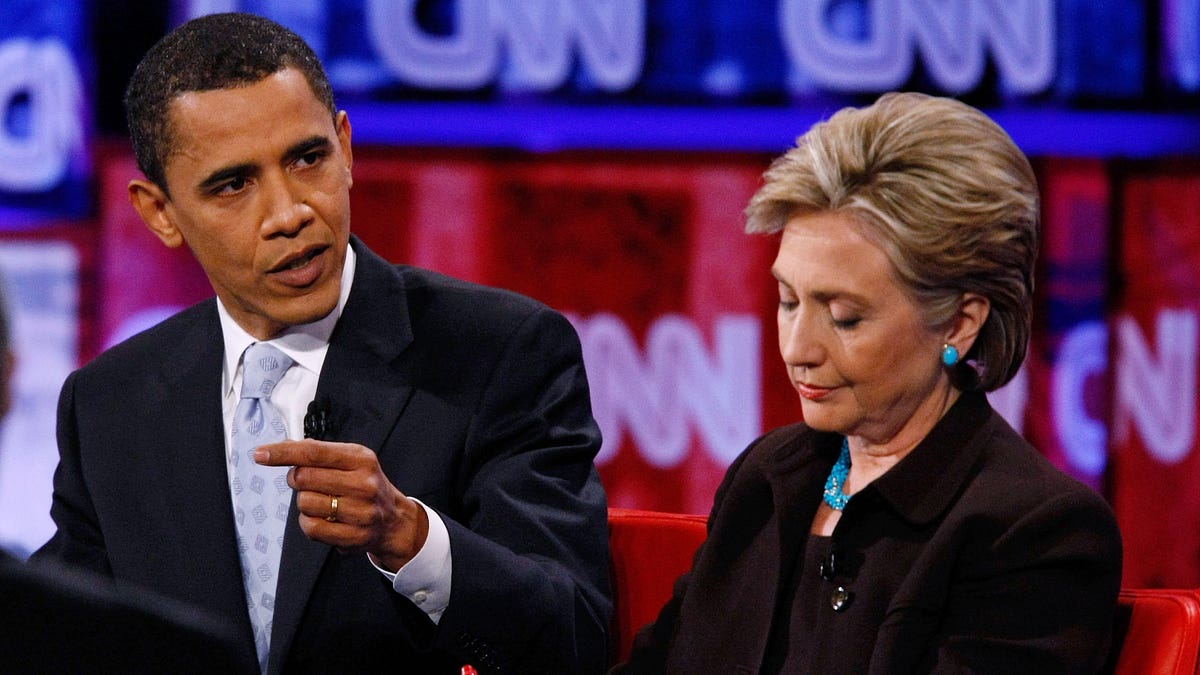
Despite the current inclination among Democrats to adopt a more combative stance against Republicans, historical precedent suggests that the "uniter" approach may yield better results in elections. The memory of Barack Obama's successful 2008 campaign, which emphasized unity over division, looms large. As Democrats gear up for the 2028 presidential election, they must consider how to maintain this balance between fighting for their principles and appealing to a broader electorate, especially in the absence of Donald Trump on the ballot.
Ultimately, the Democratic Party's future will depend on its ability to harness the talents and strategies of its rising stars while effectively bridging the gaps between its diverse factions. The Class of 2026, with its fresh perspectives and modern communication styles, represents a promising shift away from the established political figures of the past. As the party navigates its path forward, it will be essential for candidates to articulate clear, compelling messages that resonate with both their base and the wider electorate, ensuring that the Democratic coalition remains strong and united.




Related Posts

Stay Informed With the Latest & Most Important News
Newsletter Signup
Previous Post
Next Post