Now Reading: France is making Michel Houellebecq’s satire look prophetic
-
01
France is making Michel Houellebecq’s satire look prophetic

Article Summary
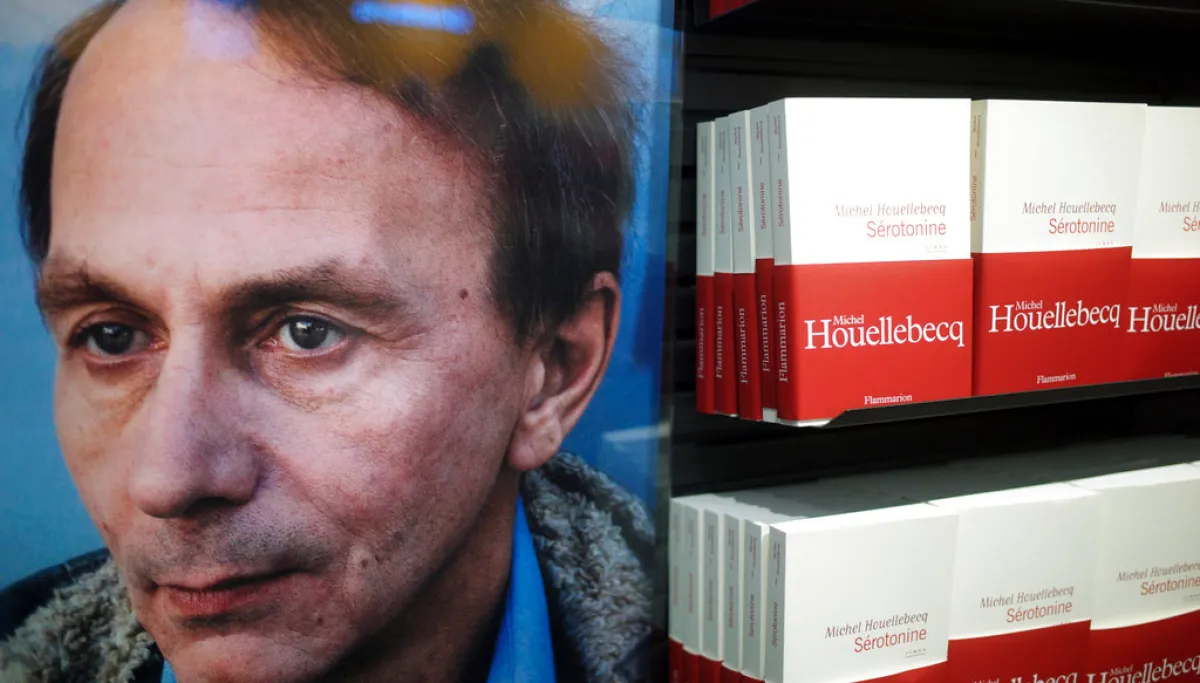
In stark contrast, French novelist Michel Houellebecq is currently facing a criminal investigation for alleged "complicity in incitement to discrimination, hatred or violence" against Muslims, stemming from comments made during a conversation in 2022. His remarks included claims about demographic changes in France due to immigration from Muslim-majority countries, as well as predictions of potential violence if Islamist control were to increase in certain areas. While Houellebecq later described his comments as "clumsy," he has not received any support from the literary community, highlighting a disparity in how authors are treated based on their views.
The investigation into Houellebecq raises questions about the nature of free expression in France, where the legal system does not necessarily protect controversial opinions as a neutral right. His previous encounters with the law, including a 2001 indictment for disparaging remarks about Islam, suggest a pattern where criticism of Islam is met with legal repercussions, while similar critiques of Christianity or Judaism would likely go unpunished. This discrepancy underscores a troubling aspect of cultural discourse in France, where certain viewpoints are deemed unacceptable.
The alliance between leftists and Islamists in the West is evident, as seen in the reactions to Houellebecq's work and the support for pro-Hamas demonstrations. While individuals can openly express support for radical Islamic groups without fear of indictment, those who highlight the rise in anti-Christian crimes or the need for protection of Jewish communities face potential legal action. This double standard illustrates a broader trend of censorship and self-censorship, particularly regarding discussions of Islam.
The legacy of the Rushdie fatwa exemplifies the chilling effect on free expression in the West, as noted by author Kenan Malik. Although Salman Rushdie's novel "The Satanic Verses" continues to be published, the prevailing argument that causing offense to other cultures is morally unacceptable has gained traction. This has led to a culture where only certain beliefs are shielded from critique, and Houellebecq's indictment serves as a reminder that satire and free expression are increasingly colliding with societal taboos. The situation reflects a broader surrender of liberal values in the face of intimidation and censorship, raising concerns about the future of open discourse in the West.




Related Posts

Stay Informed With the Latest & Most Important News
Newsletter Signup
Previous Post
Next Post