Now Reading: GOP’s final sprint on Trump agenda loses steam after election rout
-
01
GOP’s final sprint on Trump agenda loses steam after election rout

Article Summary
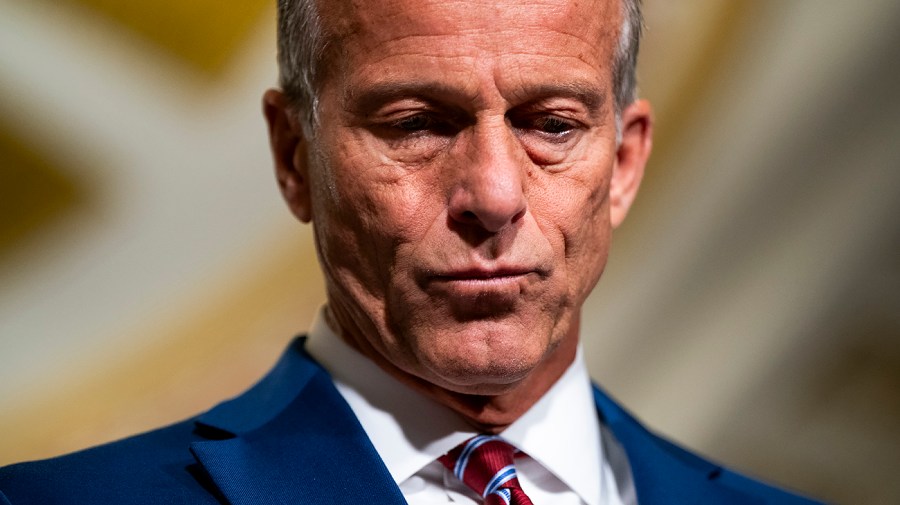
Before the elections, there was a sense of optimism among Republicans about leveraging the lame-duck session to finalize a budget reconciliation package, which would allow them to pass certain measures with a simple majority in the Senate. This would have included tax cuts and other elements of Trump's policy agenda. However, the unexpected electoral defeats have shifted the political landscape, making it increasingly challenging for the GOP to rally support for these initiatives.
Senate Republican sources are now voicing skepticism about the feasibility of moving forward with such ambitious plans. The losses have not only weakened their majority but have also created a more hostile environment for bipartisan cooperation. With Democrats gaining momentum, Republicans face greater difficulty in uniting their party around a cohesive strategy, especially as they navigate the realities of a divided government.
In addition to the challenges posed by the election results, the urgency of addressing pressing issues such as government funding and the national debt has added to the complexity of the lame-duck session. Republican leaders are now tasked with balancing their legislative agenda while also responding to the immediate needs of the government, further complicating their ability to push through Trump's remaining priorities.
Ultimately, the GOP's hopes of achieving significant legislative victories in the lame-duck session have been significantly dampened. The combination of electoral setbacks, internal divisions, and the pressing need to address immediate government concerns has left Republicans in a precarious position as they enter this critical period in Congress.




Related Posts

Stay Informed With the Latest & Most Important News
Newsletter Signup
Previous Post
Next Post