Now Reading: ‘Hillbilly Eulogy’
-
01
‘Hillbilly Eulogy’

Article Summary
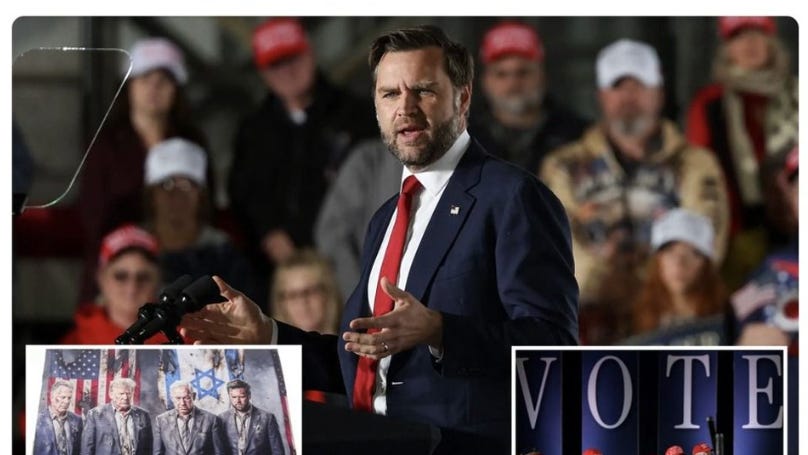
Vance's statement reflects a growing sentiment among some Republicans who feel that the party's alignment with certain foreign policy decisions may have alienated voters. By directly referencing the president's acknowledgment of the war's impact on the election, Vance is calling into question the strategic choices made by the party leadership. This raises important questions about the relationship between military engagements abroad and electoral success at home, particularly in a time of heightened political polarization.
The discussion surrounding Vance's comments also brings to light the need for the Republican Party to reassess its messaging and priorities moving forward. As they face the prospect of losing the Senate for an extended period, party members are prompted to consider whether the costs of their current strategies, including their stance on foreign conflicts, are worth the potential long-term repercussions. The challenge lies in balancing the party's traditional values with the evolving concerns of the electorate, who may prioritize different issues in the wake of recent events.
Moreover, Vance's remarks serve as a reminder of the ongoing debates within the Republican Party regarding its future direction. As factions within the party grapple with differing views on foreign policy, economic issues, and social concerns, the need for a cohesive strategy becomes increasingly apparent. Vance's candid assessment may resonate with those who feel disillusioned by the party's recent performance and are seeking clarity and unity in their political objectives.
In conclusion, Vance's tweet encapsulates the broader challenges facing the Republican Party as it navigates a shifting political landscape. The intersection of foreign policy and electoral outcomes is a critical area of reflection for party leaders and candidates alike. As they prepare for future elections, it will be essential for the GOP to engage in meaningful discussions about their priorities and strategies to regain voter trust and support.