
Now Reading: How a champion of the ‘Utah Way’ became a casualty of America’s AI debate
-
01
How a champion of the ‘Utah Way’ became a casualty of America’s AI debate

Article Summary
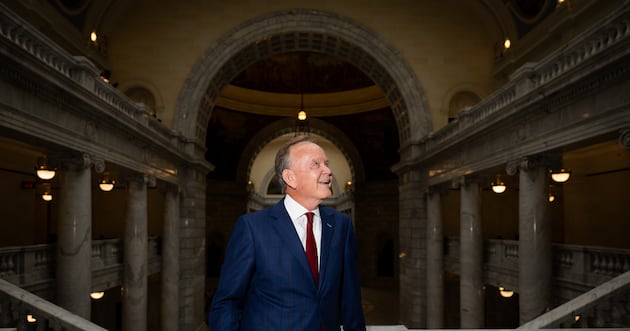
Throughout his nearly 30-year political career, Adams played a pivotal role in shaping Utah's infrastructure and economic policies. He emphasized the importance of forward-thinking investments to maintain the state's quality of life, advocating for transportation improvements and significant tax cuts that contributed to Utah's status as one of the best states in the nation. While many praised his efforts, some critics accused him of consolidating power and diminishing the influence of the executive branch and judiciary, suggesting a disconnect between lawmakers and public sentiment.
Adams' political journey began with a focus on infrastructure, driven by personal motivations to enhance road safety for his family. His commitment to building and improving Utah's infrastructure led him to chair the Transportation Commission and push for new transportation initiatives. His ability to navigate contentious social issues, such as LGBTQ rights, earned him respect across party lines, exemplified by his successful sponsorship of a law balancing religious freedom and LGBTQ protections. Adams' collaborative approach has been seen as a defining aspect of what he calls the "Utah Way."
Despite his successes, Adams faced significant challenges, particularly regarding the proposed Stratos data center project, which he initially championed as vital for national security. The lack of public input and concerns over environmental impacts turned the initiative into a political liability. As public opposition grew, Adams attempted to mitigate the project's scope but ultimately lost the trust of his constituents, leading to his electoral defeat. Political analysts noted the unprecedented nature of a powerful lawmaker being ousted over issues related to data centers, reflecting a broader trend of public anxiety surrounding AI and its implications.
In the wake of his defeat, Adams remains optimistic about Utah's future and the leaders who will continue his legacy. He acknowledges the need for greater transparency and accountability in government processes, especially regarding developments that affect local communities. As he contemplates his next steps, he expresses a desire to remain involved in Utah's political landscape, emphasizing his commitment to making the state a better place. Adams' story illustrates the complexities of modern governance, where technological advancements and public sentiment can dramatically reshape political careers and policies.




Leave a reply
You must be logged in to post a comment.
Related Posts


Stay Informed With the Latest & Most Important News
Newsletter Signup
Previous Post
Next Post







Pingback: The Morning Roundup – November 1, 2026 – The Monolith