Now Reading: Midterm Election Incoherences, Misadventures, and Paradoxes
-
01
Midterm Election Incoherences, Misadventures, and Paradoxes

Article Summary
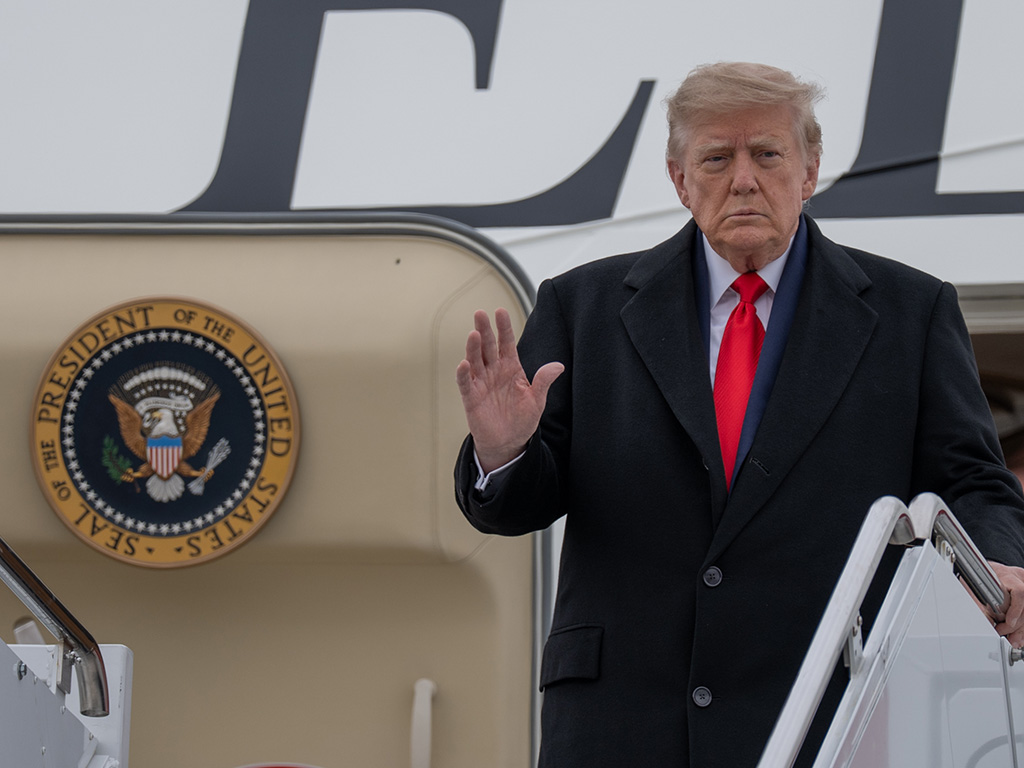
Hanson points out that the 2022 midterms defied expectations, with Democrats gaining a Senate seat while only losing a handful of House seats. This outcome was celebrated by the media, despite President Biden's low approval ratings at the time. He highlights the disconnect between the anticipated "red wave" and the reality of the midterm results, suggesting that public sentiment regarding issues like inflation and international conflicts may not translate directly into electoral losses for the incumbent party.
The article also discusses the implications of midterm elections on presidential power, citing historical examples of Bill Clinton and Barack Obama, who both faced significant electoral losses but continued to wield considerable influence during their final years in office. Hanson argues that a midterm loss does not necessarily stifle a president's agenda; instead, it can sometimes enhance their popularity as they are perceived as standing up to a partisan opposition. This dynamic suggests that Biden, or any president, could still maintain a level of authority and public support, even in the face of significant electoral setbacks.
Hanson challenges the notion that a predicted blue wave in 2026 is a certainty, drawing parallels to past elections where anticipated shifts did not occur. He emphasizes that voters often reconsider their choices in the privacy of the ballot box, leading them to favor incumbents when faced with uncertain alternatives. The presence of extreme candidates and divisive issues may further complicate the electoral landscape, shifting voter focus from party affiliation to the preservation of stability and normalcy.
In conclusion, Hanson posits that the 2026 midterm elections may not unfold as anticipated. Even if a blue wave does occur, its impact could be mitigated by the expanding powers of the presidency and the contentious nature of the opposition. The article serves as a reminder of the unpredictability of electoral politics and the resilience of incumbents in navigating challenging political climates.




Related Posts



Stay Informed With the Latest & Most Important News
Newsletter Signup
Previous Post
Next Post