Now Reading: The Dems catering to the extremists ahead of Election Day is another victory for the far-left
-
01
The Dems catering to the extremists ahead of Election Day is another victory for the far-left
The Dems catering to the extremists ahead of Election Day is another victory for the far-left

Article Summary
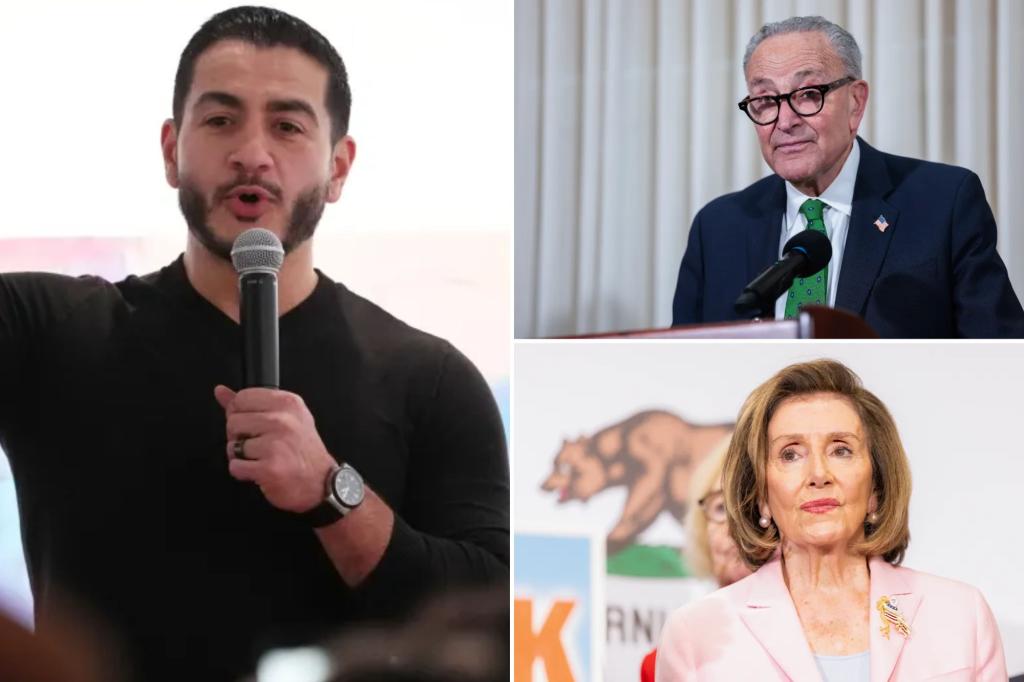
The shift towards radicalism is exemplified by figures like New York Mayor Zohran Mamdani, who openly advocates for collectivism over individualism. His vision for the party reflects a broader trend where moderate Democrats are increasingly sidelined. Former House Speaker Nancy Pelosi, who is stepping down after decades in Congress, acknowledges the tension between the party's traditional support for Israel and the growing anti-Israel sentiments among its far-left members. Despite her concerns, Pelosi expresses a willingness to overlook these radical positions, prioritizing electoral success over ideological integrity, thereby illustrating a troubling compromise within the party.
Pelosi's approach mirrors that of other party leaders, such as Senate Majority Leader Chuck Schumer, who also embraces a "big tent" philosophy. This stance allows for the inclusion of candidates like Abdul El-Sayed, who have openly criticized Israel and aligned with anti-Zionist rhetoric. Schumer's endorsement of El-Sayed, despite his previous opposition, signifies a shift in priorities where electoral gains take precedence over longstanding commitments to Israel, further eroding the party's traditional values. The willingness to accommodate such radical views raises questions about the Democratic Party's identity and future direction.
The actions of figures like New York Governor Kathy Hochul further illustrate the opportunistic nature of modern Democratic politics. Hochul's past as a moderate has been overshadowed by her alignment with the far-left agenda, particularly in her support for Mamdani's policies. This shift reflects a broader trend where establishment Democrats abandon their principles to secure political alliances and maintain power. Hochul's rapid transformation from a conservative-leaning official to a supporter of progressive policies exemplifies the pressure on moderates to conform to the party's leftward trajectory.
Ultimately, the Democratic Party's internal dynamics reveal a significant ideological shift, as moderates increasingly yield to the demands of the far left. This trend raises concerns about the party's future, as the embrace of radical positions and the prioritization of electoral success over core values may alienate traditional supporters. As the party continues to evolve, the implications of this internal struggle will have lasting effects on its identity and electoral viability. The increasing dominance of radical elements suggests that the Democratic Party may be moving further away from its historical roots, potentially leading to a redefined political landscape.




Related Posts


Stay Informed With the Latest & Most Important News
Newsletter Signup
Previous Post
Next Post