Now Reading: Trump’s midterm campaign has distilled his vile message
-
01
Trump’s midterm campaign has distilled his vile message

Article Summary
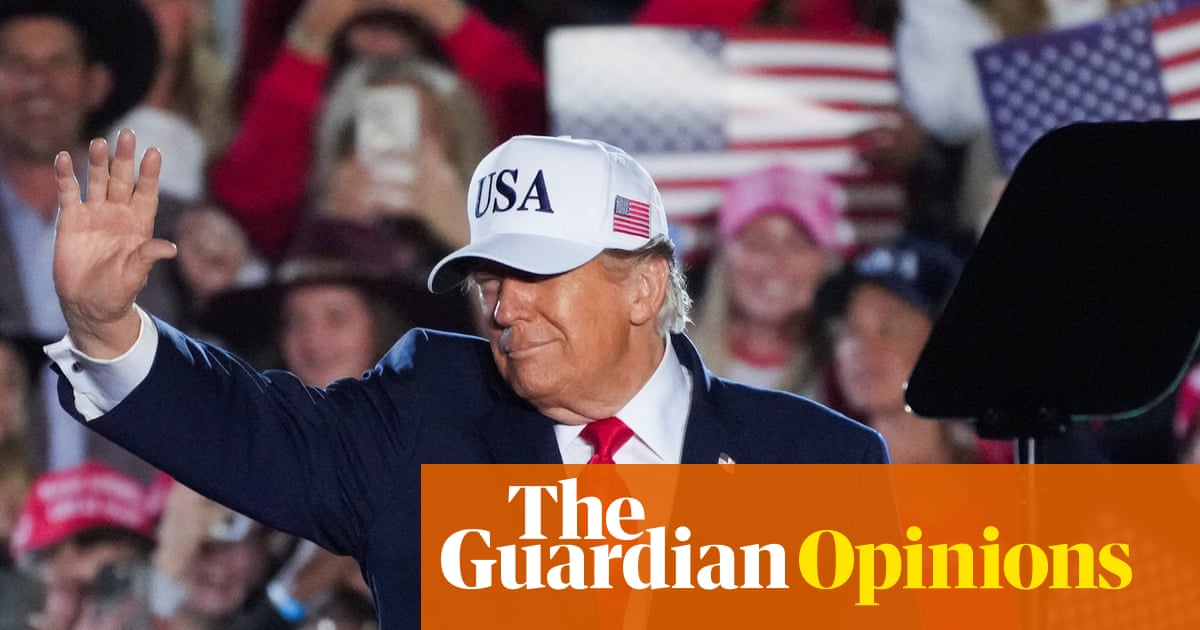
Trump's speeches have revealed a troubling disinhibition, marked by profane language and crude insults aimed at both political opponents and members of the press. His rhetoric has devolved into personal attacks, often targeting women and minorities with derogatory terms and insinuations. For instance, he has referred to female journalists as "fake" and "dumb," while also employing slurs against political opponents, such as calling Democratic candidates "low IQ" or using derogatory nicknames that undermine their professional credibility. This pattern of behavior not only trivializes serious issues but also reflects a deep-seated contempt for those he perceives as threats to his political ambitions.
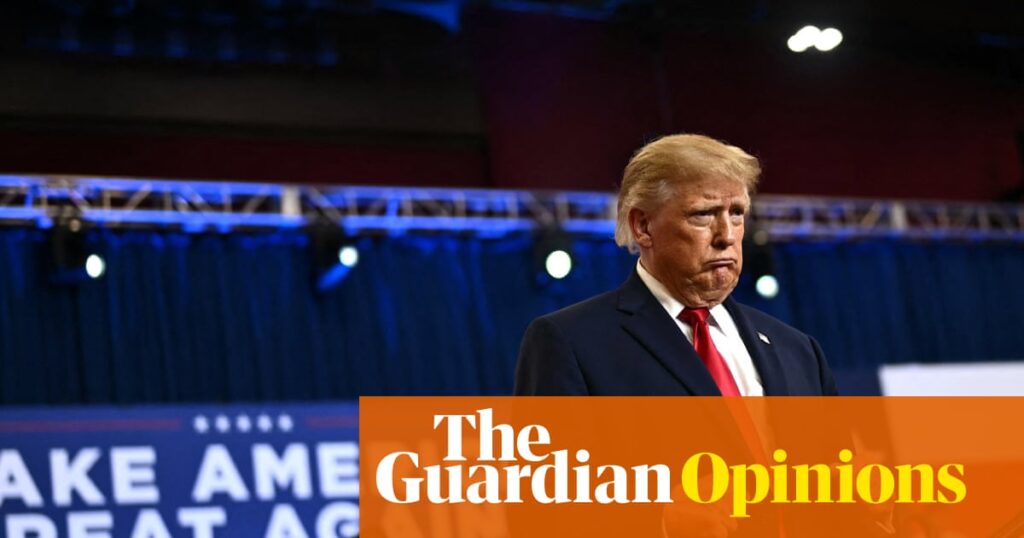
As Trump continues to rally his base, he has resorted to increasingly absurd promises, such as offering financial incentives to voters if Republicans win. His campaign events often feature bizarre antics and crude humor, which seem to delight his supporters but also reveal a condescending attitude towards them. For example, he mocked the economic struggles of his followers while promising them extravagant rewards, demonstrating a disconnect between his lavish lifestyle and the realities faced by many of his supporters. This mockery, however, is met with applause from his base, indicating a troubling dynamic where loyalty is rewarded with complicity in his increasingly outrageous claims and behavior.
Moreover, Trump's rhetoric has fostered a culture of hostility and division, particularly towards marginalized groups. His inflammatory comments about immigrants and racial minorities have further alienated potential allies while galvanizing his core supporters. Instances of candidates echoing Trump’s derogatory language and adopting his tactics, such as accusations of pedophilia against opponents, highlight the extent to which his brand of politics has permeated the Republican Party. This descent into a politics of personal attack and sensationalism reflects a broader decline in American civic life, where political discourse is increasingly characterized by incivility and aggression.
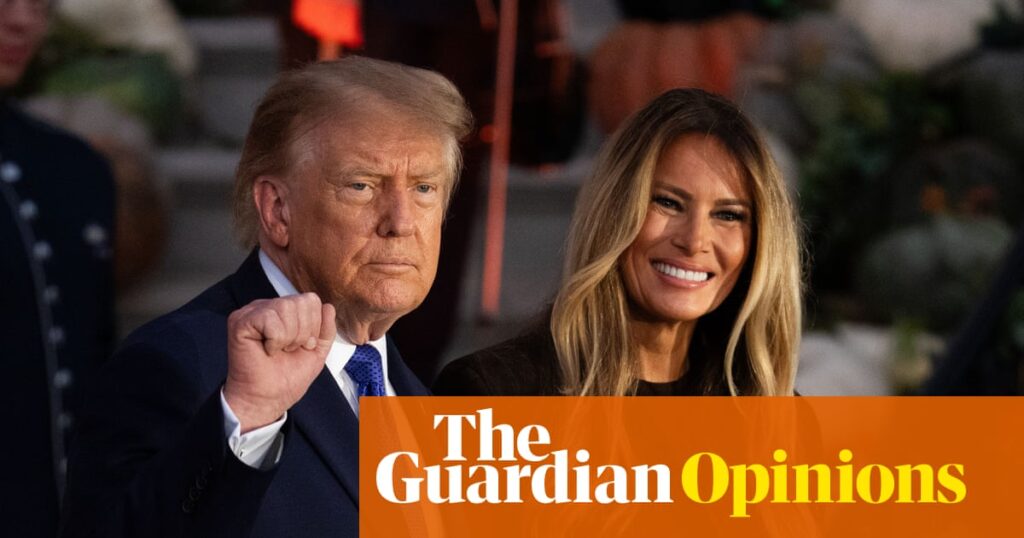
In a striking parallel, the extravagant lifestyle Trump maintains at his Mar-a-Lago estate contrasts sharply with the struggles of the average American. His lavish Halloween party, complete with opulence and ostentation, serves as a metaphor for the disconnect between his elite status and the populist image he attempts to project. This juxtaposition of wealth and the everyday realities of his supporters raises critical questions about authenticity and the nature of political leadership in a time of societal division. As Trump continues to navigate the political landscape with his characteristic bravado, the implications of his rhetoric and behavior extend far beyond individual elections, shaping the future of American politics and civic discourse.




Related Posts
Stay Informed With the Latest & Most Important News
Newsletter Signup
Previous Post
Next Post