Now Reading: Whiskey Rebellion
-
01
Whiskey Rebellion

Article Summary
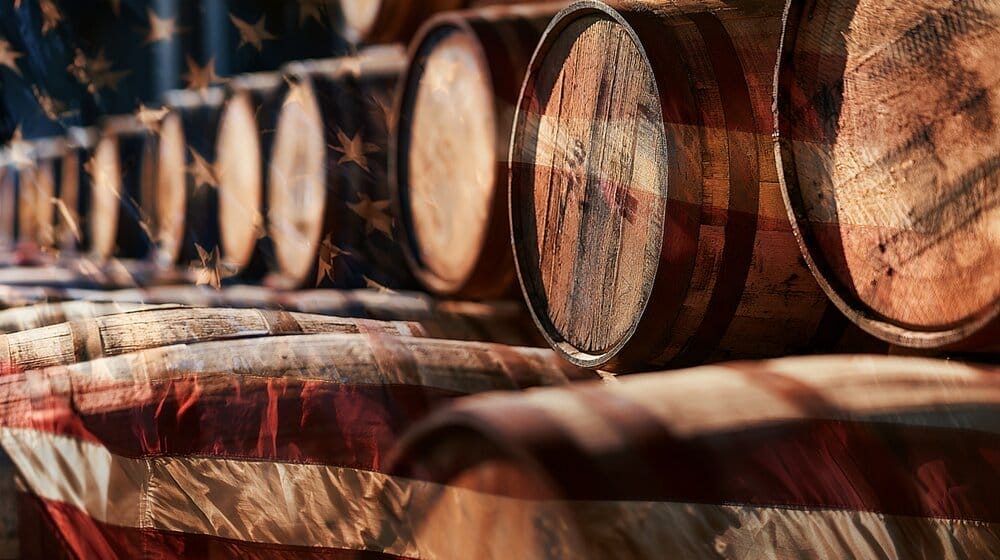
Currently, while Americans can legally brew beer and make wine at home, distilling whiskey remains illegal, with violations leading to severe penalties, including fines of $10,000 and up to five years in prison. Jarrett Dieterle from the Manhattan Institute highlights the irony of this prohibition, noting that many Founding Fathers, including Washington himself, were involved in distilling. Despite a law passed in 1978 that legalized home brewing, distilling spirits was notably excluded, leaving the ban intact since its inception in 1868.
The historical context of this ban is significant, as it has persisted through Prohibition and its repeal. The lore of illegal whiskey production, embodied by "moonshiners," has contributed to American culture, including the rise of NASCAR. The federal government defends the ban primarily for tax revenue reasons, arguing that without it, they would lose the ability to tax distilled spirits effectively. Dieterle questions the implications of this rationale, suggesting that if the government can prohibit home distilling for tax purposes, it raises concerns about the limits of federal power over personal conduct.
The current Supreme Court case stems from a group of home distillers who argue that the federal ban infringes upon constitutional rights. They have successfully challenged the law in lower courts, prompting the Justice Department to appeal for a reversal at the Supreme Court level. The case revolves around whether Congress has the authority under the Tax Clause to criminalize home distilling as a means of tax collection, a decision that could set a precedent for government regulation of personal activities.
A ruling in favor of the home distillers could potentially legalize homemade whiskey, marking the end of a long-standing prohibition and resolving what some refer to as America's "Whiskey War." The implications of this decision extend beyond whiskey, raising broader questions about the limits of governmental authority in regulating personal conduct for tax revenue purposes. As the case awaits a Supreme Court decision, it highlights the ongoing tension between individual rights and federal power in the United States.




Related Posts
Stay Informed With the Latest & Most Important News
Newsletter Signup
Previous Post
Next Post